Skip to content
Living
Food & Drink
Out & About
Customs
Communication
Money & Admin
Work
Living
Food & Drink
Out & About
Customs
Communication
Money & Admin
Work
Living
Home
Living
Everyday Japan. Everything Japan.
Living
October 15, 2026
Sodai Gomi: How Bulky Waste Disposal Works in Japan
In Shinjuku Ward, sodai gomi requires a booking, prepaid tickets, and an assigned spot. The process also excludes appliances and computers.
Living
October 15, 2026
The Everyday Home Cleaning Routine in Japan
Why does a futon go over the balcony rail? This Japanese cleaning routine uses daylight, open windows, and quick floor wipes to manage humid air.
Living
October 15, 2026
Why Japanese Laundry Dries on the Balcony
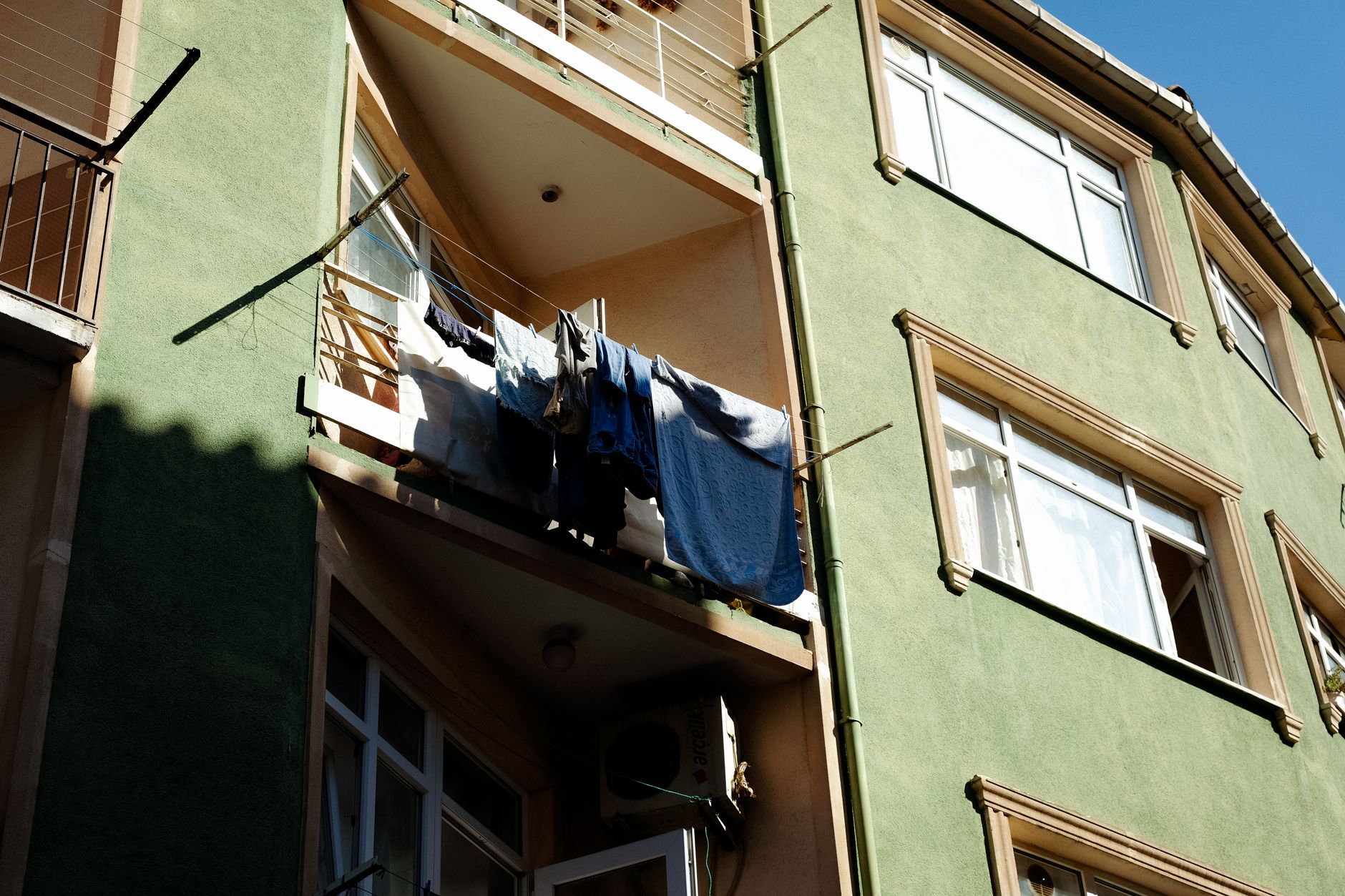
Why do Japanese homes not use dryers? Balconies handle clear days, while bathroom drying systems take over during Osaka’s rainy season.
Living
October 14, 2026
Why a Japanese Bath and Toilet Are in Separate Rooms
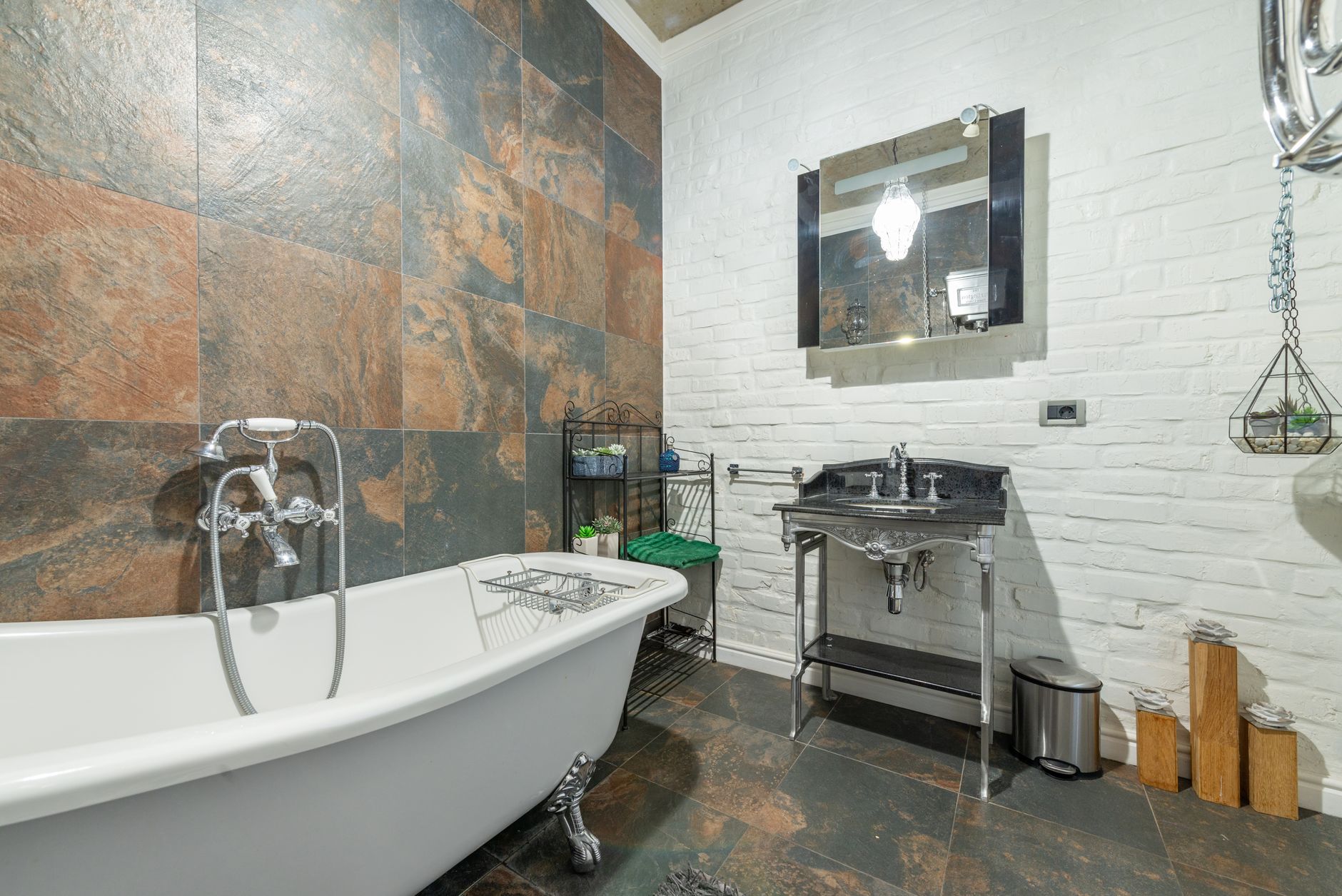
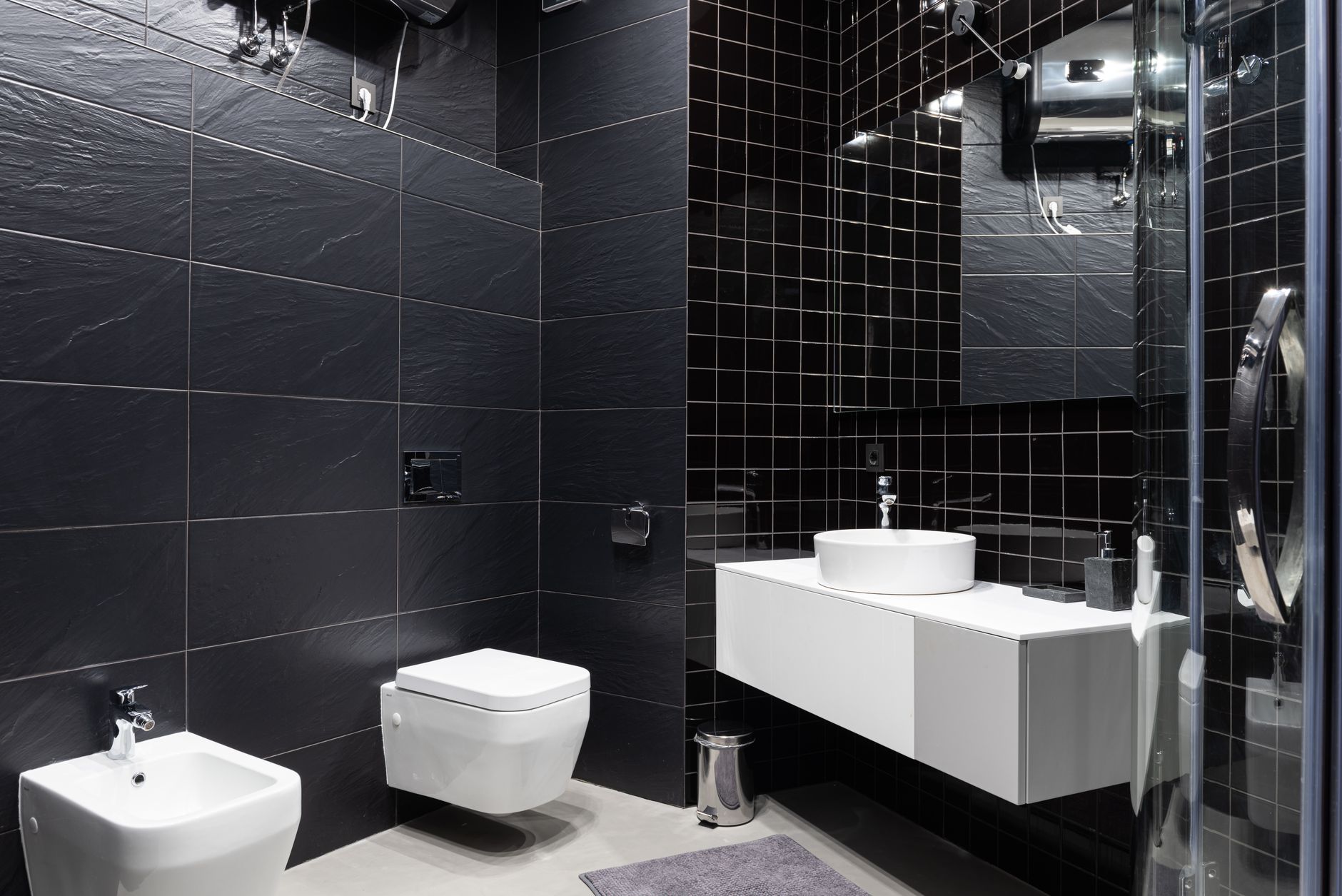
Why are the bath and toilet separate? A wet-room shower, shared soaking tub, and sink that refills the toilet tank show how the layout works.
Living
October 13, 2026
Japanese Toilets and Washlets, Explained: What the Buttons Do
What do the buttons on a Japanese toilet do? This guide explains rear and front wash, pressure, seat heat, the dryer, and the stop button.
Living
October 10, 2026
What a Japanese Entryway Holds Besides Shoes
A Japanese entryway holds more than shoes: keys, slippers, umbrellas, and deliveries. See how a cabinet, hook, and tray manage the threshold.
Living
October 9, 2026
How Garbage Sorting Works in Japan: Burnable, Plastic and the Calendar
Why does Osaka garbage sorting use four streams? See how plastic, PET bottles, kitchen scraps, and the local collection calendar fit together.
Living
October 9, 2026
What a Genkan Is — and Why Japanese Homes Have One
Why is there a step inside many Japanese homes? A genkan keeps shoes on the lower tile and marks the boundary between outside and inside.
Living
October 9, 2026
How Renting Works in Japan: Guarantors, Fees and the Paperwork
Why does renting in Japan involve key money and a guarantor? This guide explains upfront fees, lease types, screening, and what happens to the deposit.
Living
October 9, 2026
What an Ordinary Japanese Home Is Like
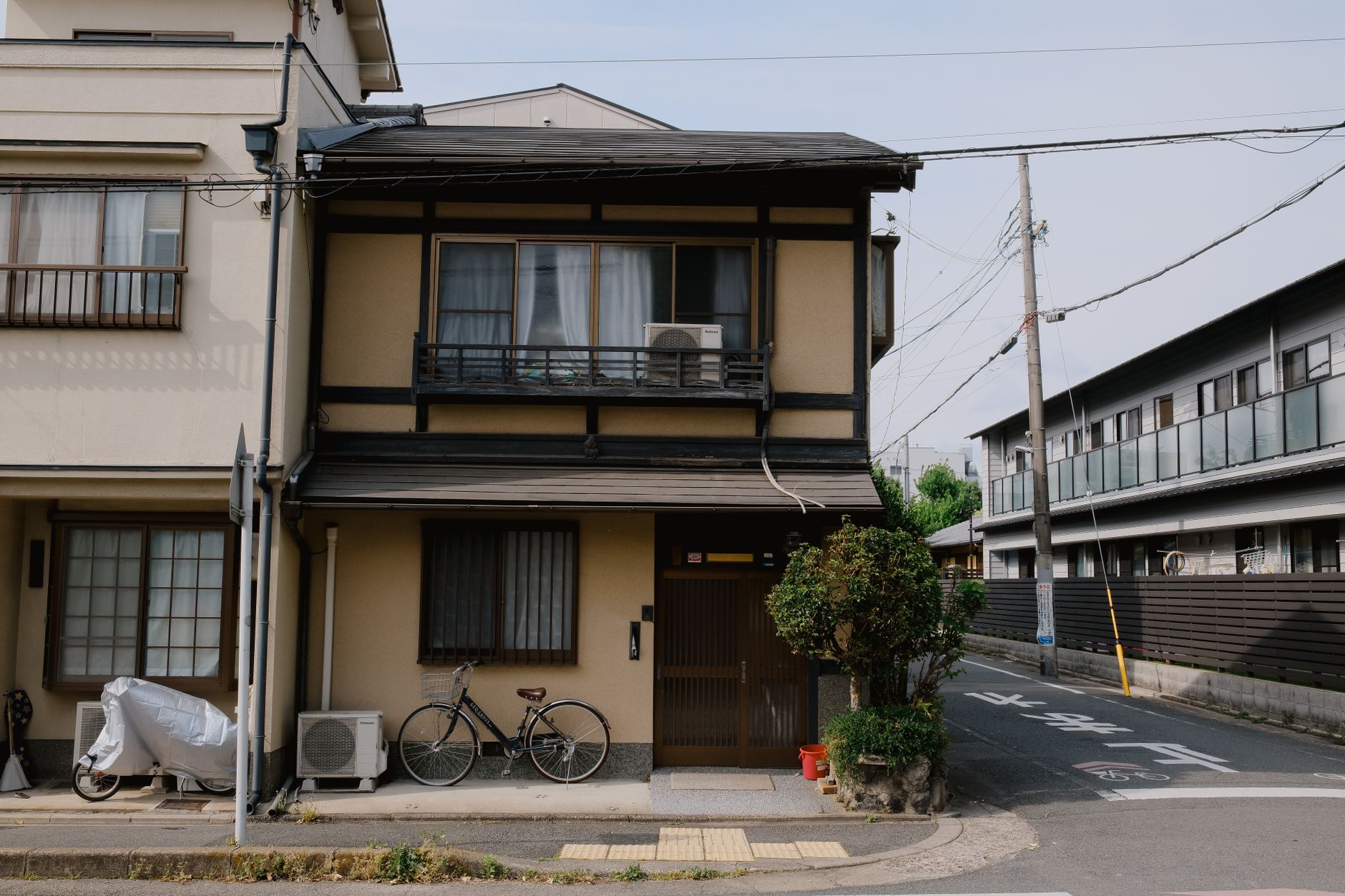
What does an ordinary Japanese home look like? A genkan, separate bath and toilet, built-in storage, and rooms that change use through the day.
Previous
Page
1
Page
2
Page
3
Next
Search
Categories
Living
Food & Drink
Out & About
Customs
Communication
Money & Admin
Work
Tags
Household Routines & Waste
Newsletter Sign Up
Email
Sign Up