Skip to content
Living
Food & Drink
Out & About
Customs
Communication
Money & Admin
Work
Living
Food & Drink
Out & About
Customs
Communication
Money & Admin
Work
Customs
Home
Customs
Everyday Japan. Everything Japan.
Customs
November 17, 2026
Oseibo and Chugen: The Yearly Gift-Giving Seasons
Why do oseibo and chugen catalogs list ham, fruit, beer, and soap by price? This article explains the twice-yearly exchange and how delivery works.
Customs
October 18, 2026
Why Public Spaces in Japan Are So Quiet
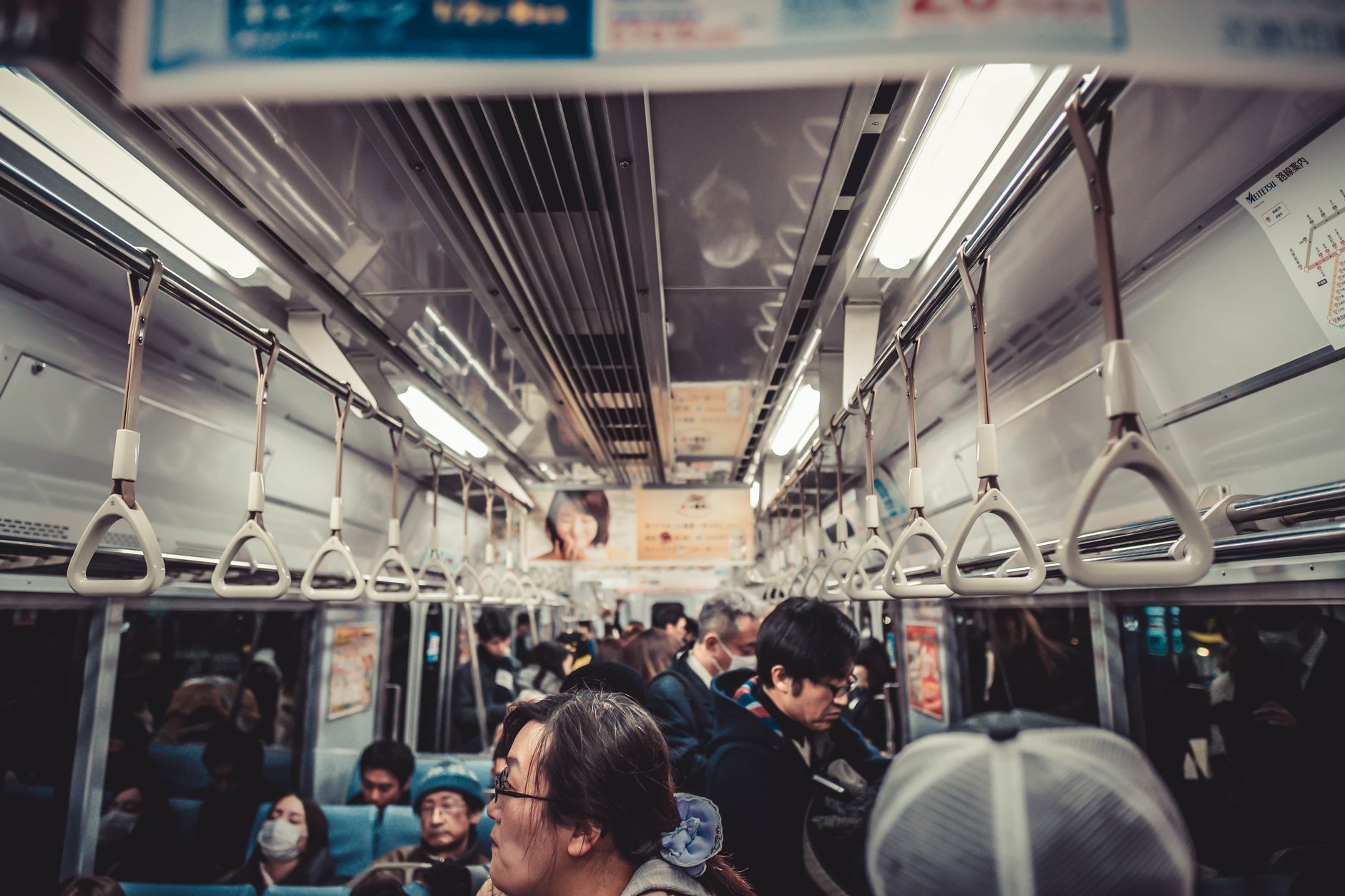
Why is an Osaka commuter train so quiet? Unwritten habits, phone etiquette, and shared space explain the low volume without a law enforcing it.
Customs
October 18, 2026
Eating While Walking: The Unspoken Rule
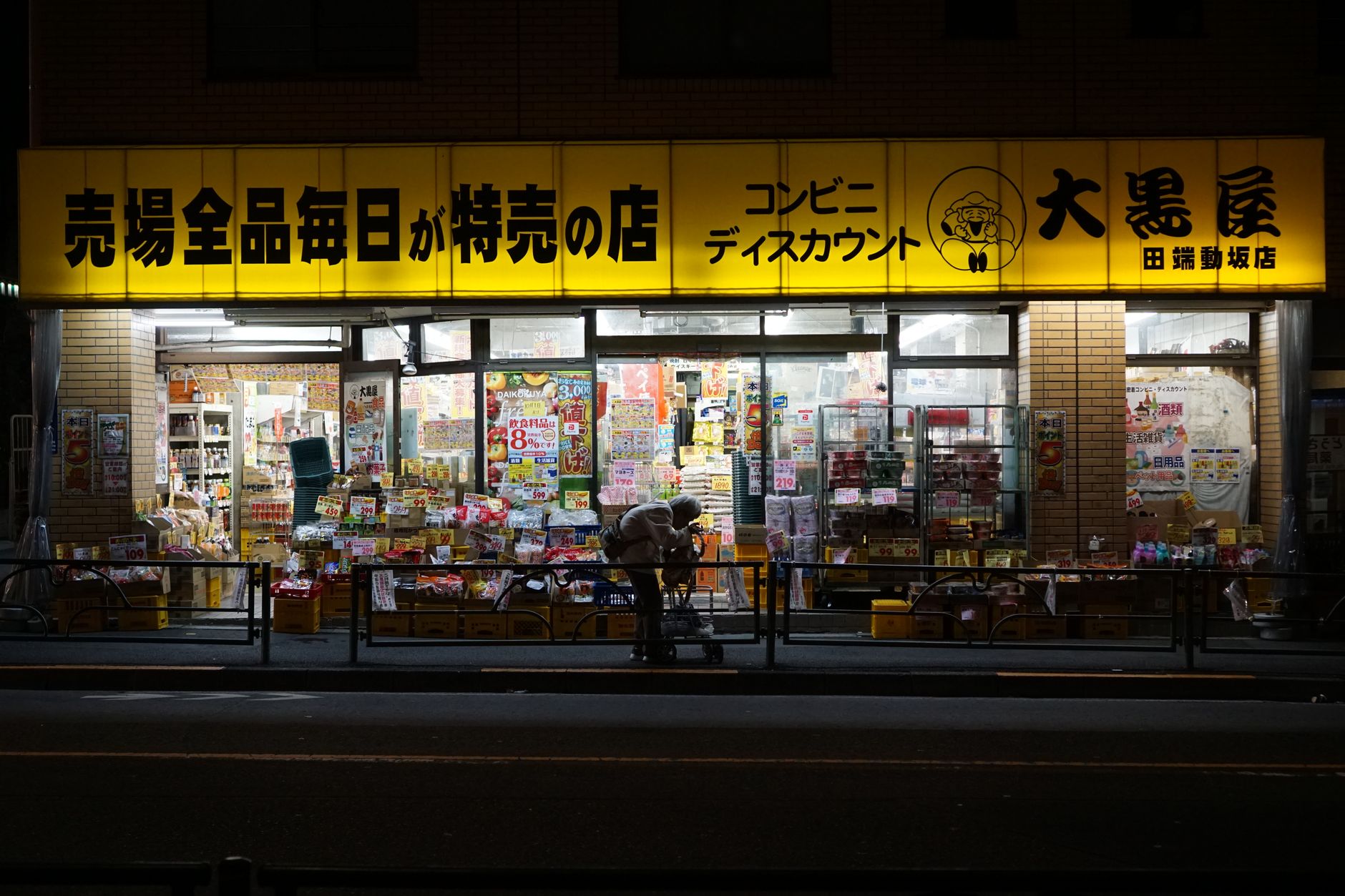
Why do people stop outside a konbini to eat? Eating while walking in Japan is less a ban than a habit shaped by crowds, mess, and missing bins.
Customs
October 18, 2026
What Happens When There Is No Trash Can
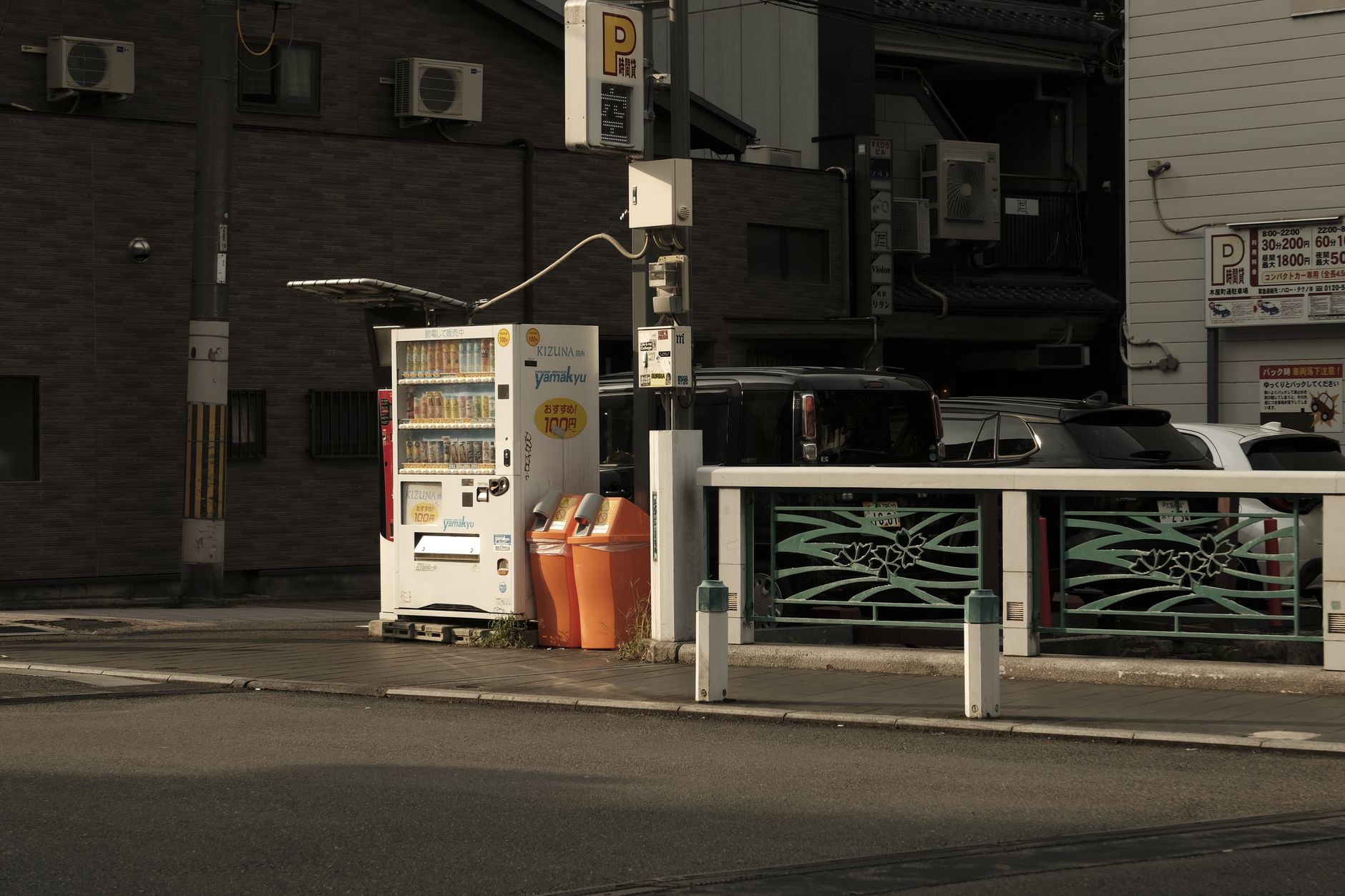
Why are public bins scarce in urban Japan? Wrappers often go home or back to the shop, while vending machine bins take bottles and cans.
Customs
October 17, 2026
Queueing in Japan: How the Line Works
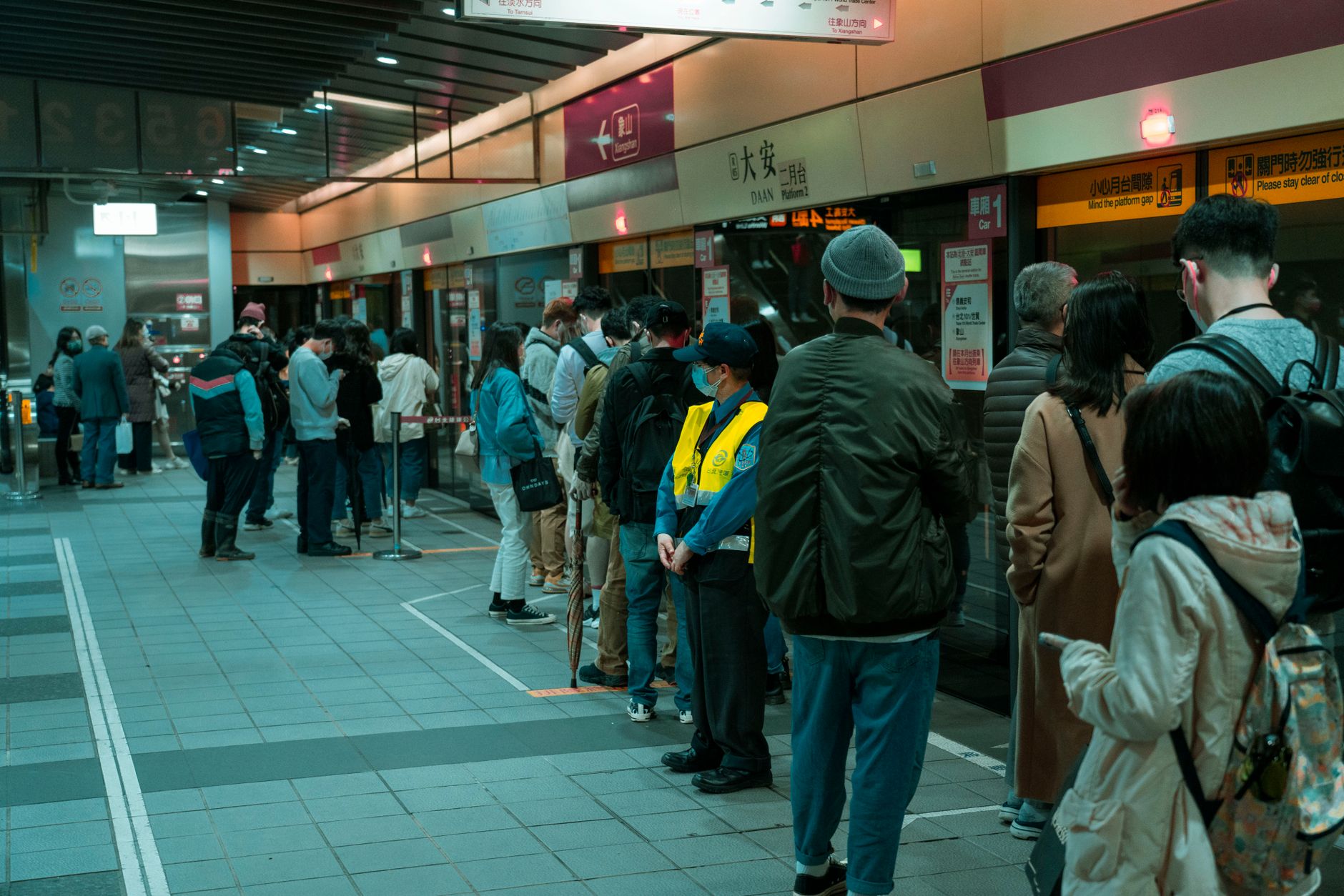
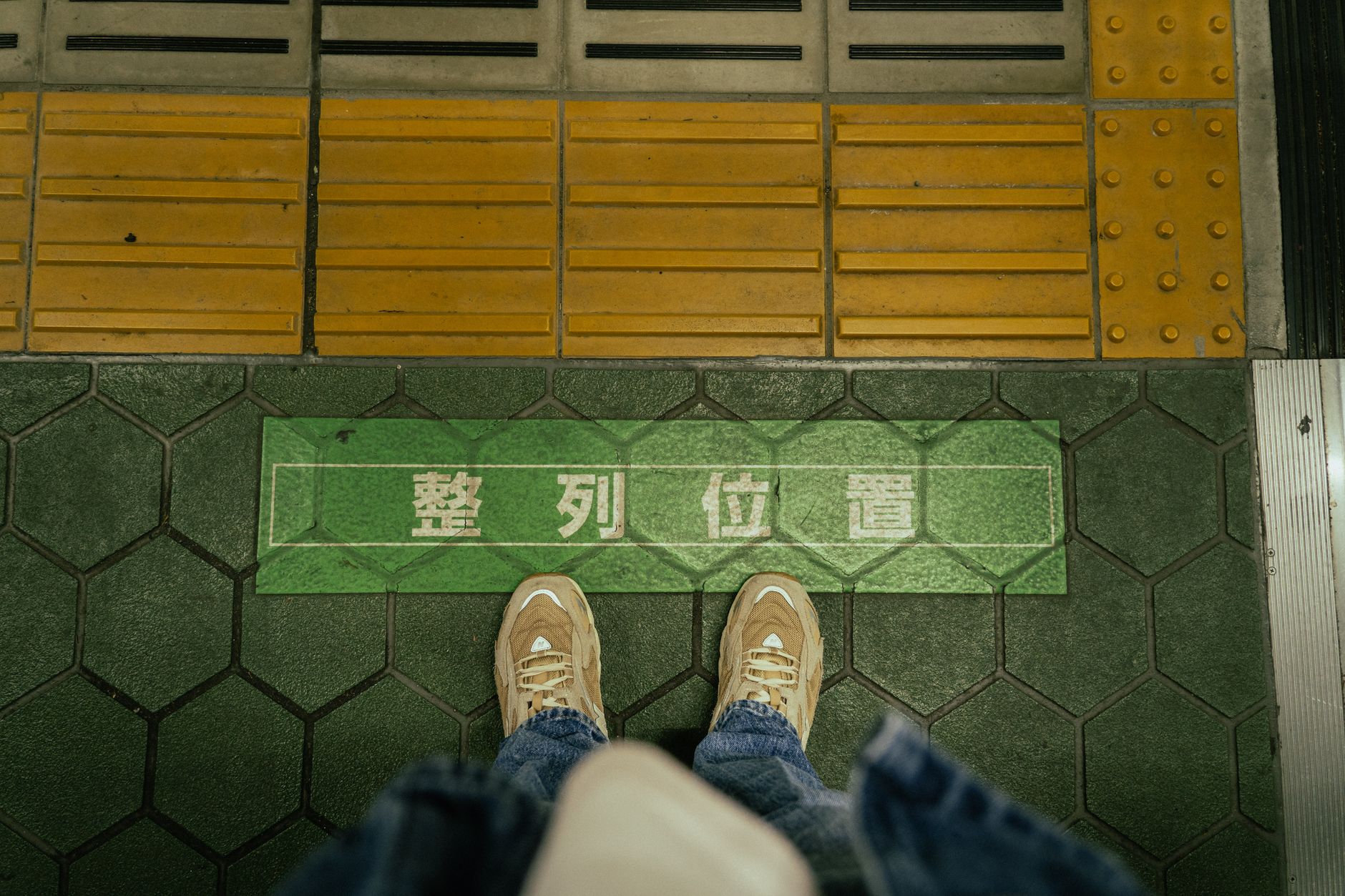
Why do people queue before a train arrives? Painted door marks, open paths, and station layouts do most of the organizing on Osaka platforms.
Customs
October 17, 2026
Why There Is No Tipping in Japan
Why does a server return extra cash? In Osaka, a small tray, fixed total, and service charge make tipping in Japan an unusual part of the meal.
Customs
October 16, 2026
Chopstick Manners: The Rules and Why They Exist
Why are chopsticks never left upright in rice? See how quiet corrections, shared serving chopsticks, and a small hashioki shape ordinary meals.
Customs
October 16, 2026
The Unwritten Rules in Japan
Why do shoes stop at the entryway step? Japanese unwritten rules around queues, quiet trains, shared baths, and missing bins keep common spaces workable.
Customs
October 15, 2026
What a Sento Is Like: Japan’s Public Bathing Tradition
What happens inside a sento? Shoe lockers, low washing stools, and a shared hot bath explain how a neighborhood public bath works.
Customs
October 9, 2026
Bowing in Japan: What It Actually Conveys
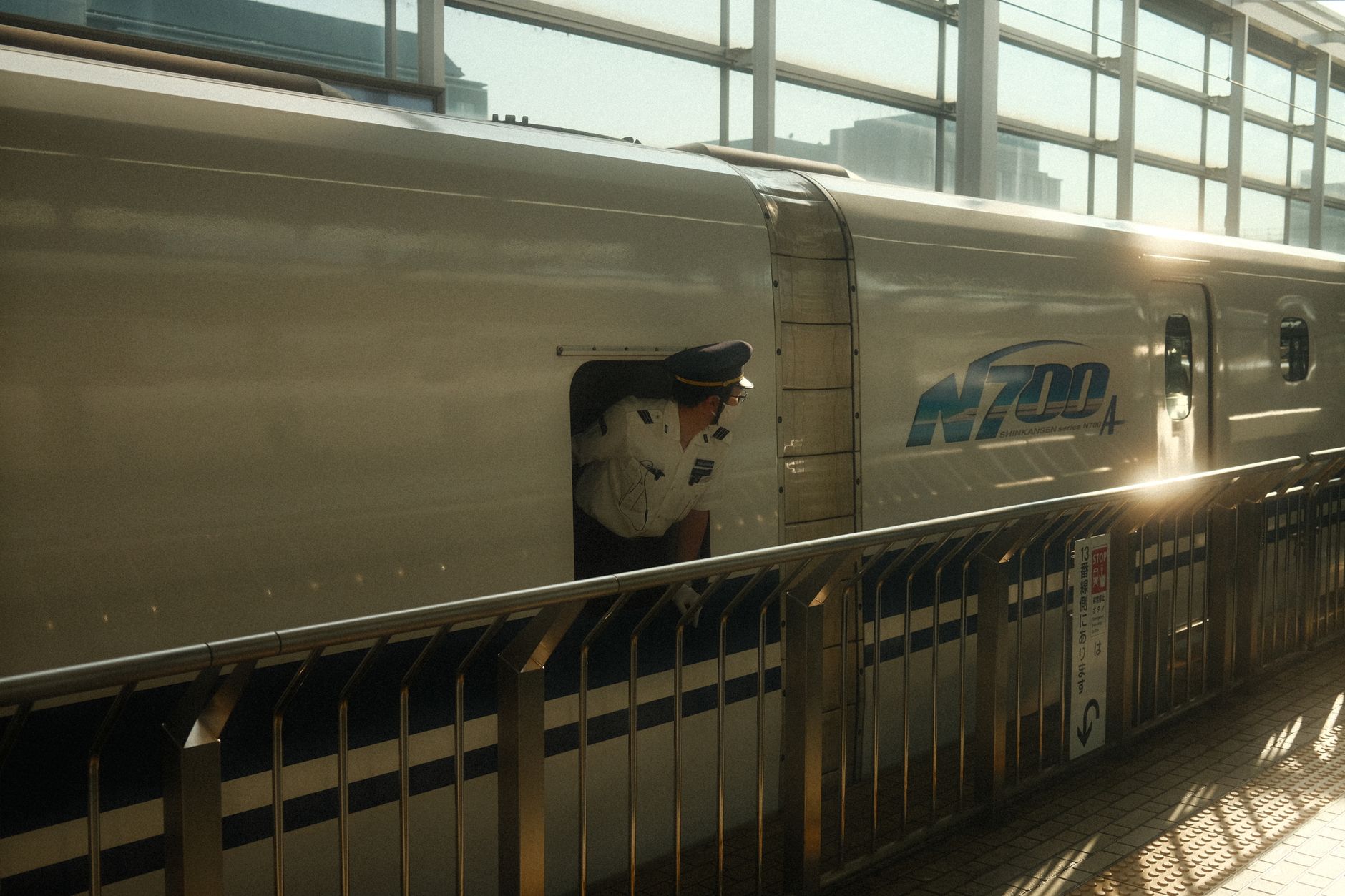
Why does a train conductor bow to an empty aisle? Bowing in Japan ranges from a quick acknowledgment to a formal apology.
Previous
Page
1
Page
2
Next
Search
Categories
Living
Food & Drink
Out & About
Customs
Communication
Money & Admin
Work
Tags
Gift-Giving & Social Obligations
Newsletter Sign Up
Email
Sign Up