Skip to content
Living
Food & Drink
Out & About
Customs
Communication
Money & Admin
Work
Living
Food & Drink
Out & About
Customs
Communication
Money & Admin
Work
Living
Home
Living
Everyday Japan. Everything Japan.
Living
November 23, 2026
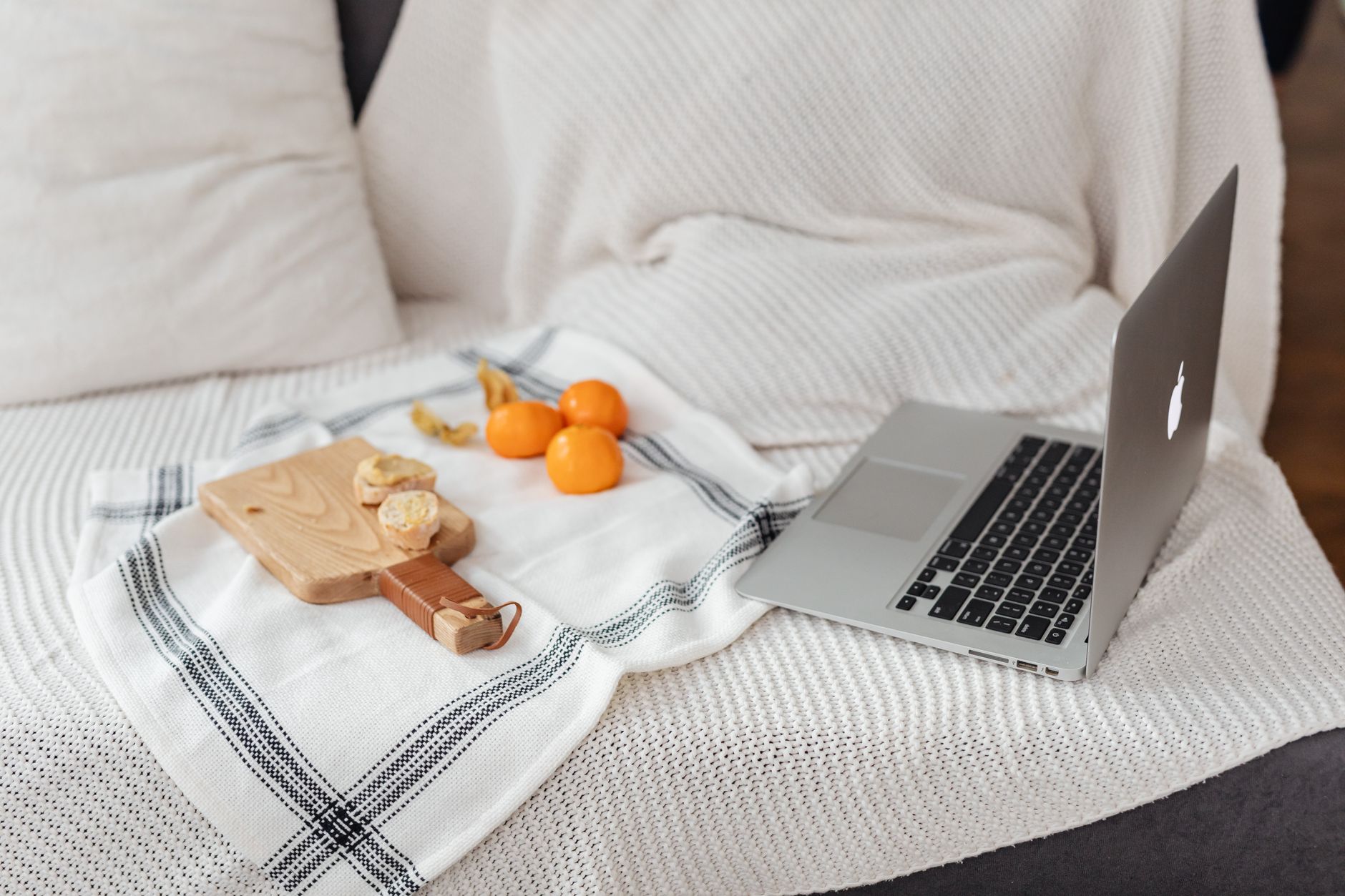
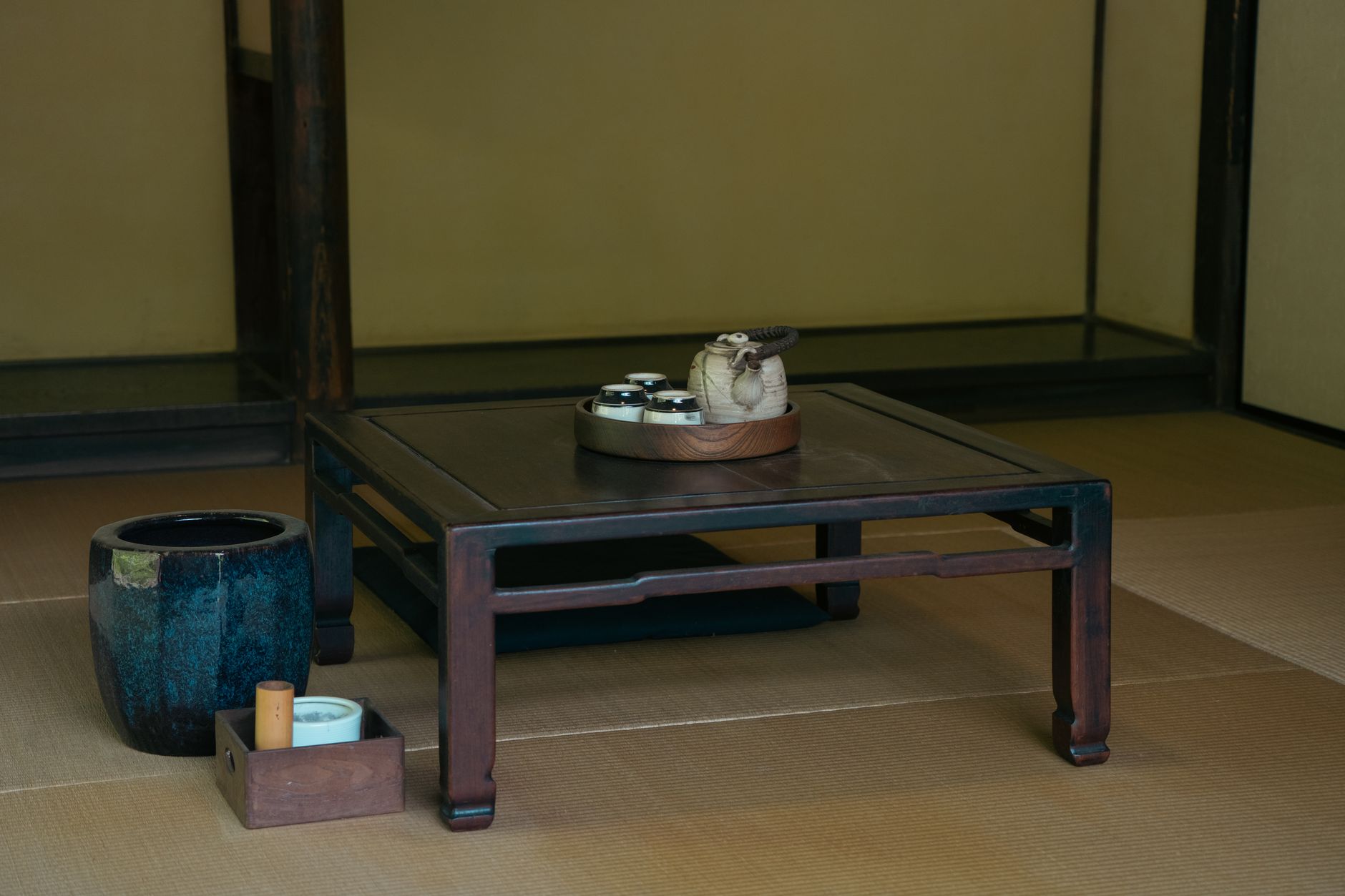
Why the Kotatsu Comes Back Every Winter
Every autumn, a low table, separate heater, and clipped quilt come out of storage. Here's why the kotatsu still earns its place in some homes.
Living
November 21, 2026
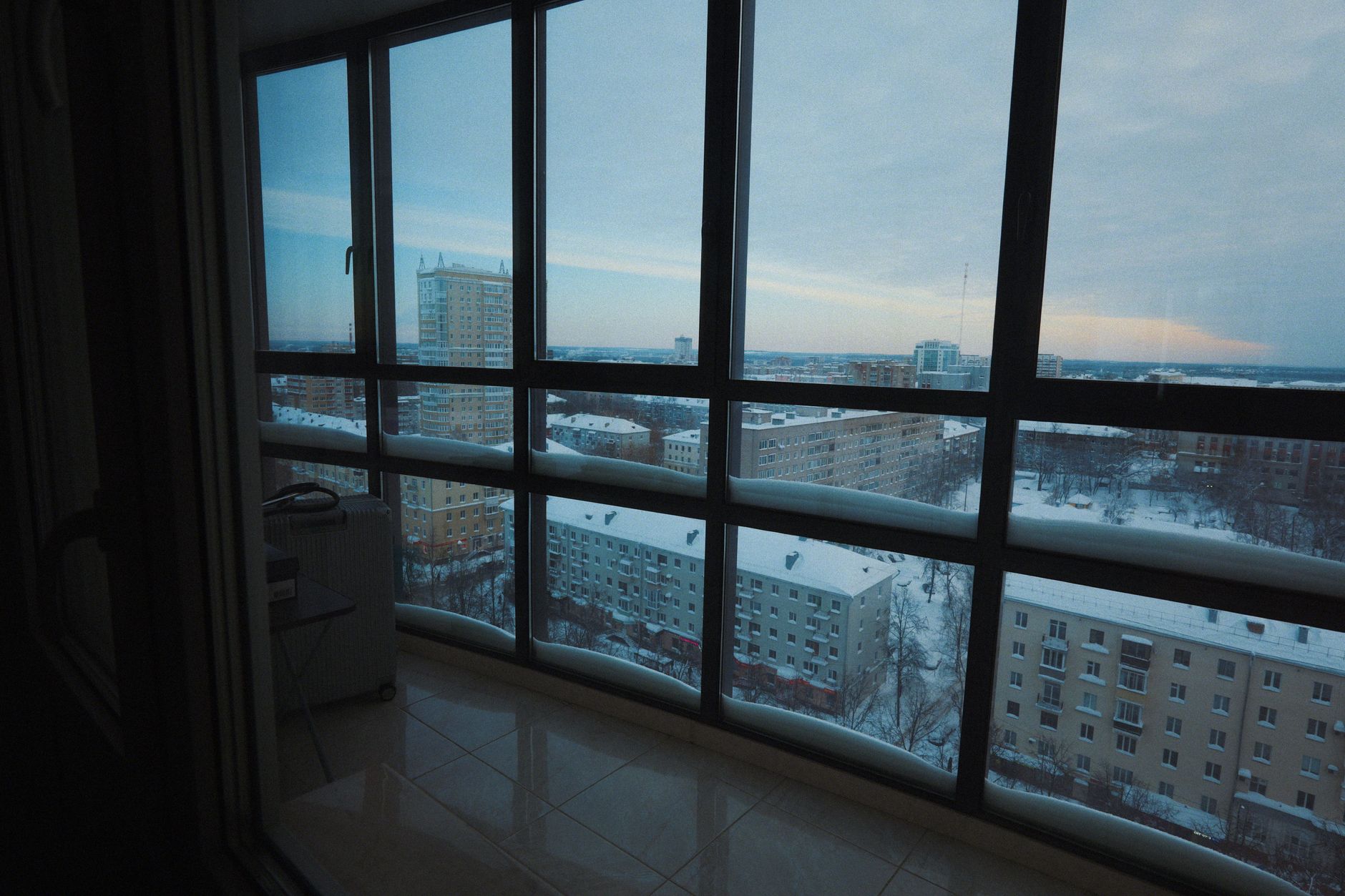
Why Are Japanese Houses Cold in Winter?
A single-glazed aluminum window, cold corridors, and room-by-room heating explain why older Japanese homes can feel cold in winter.
Living
November 19, 2026
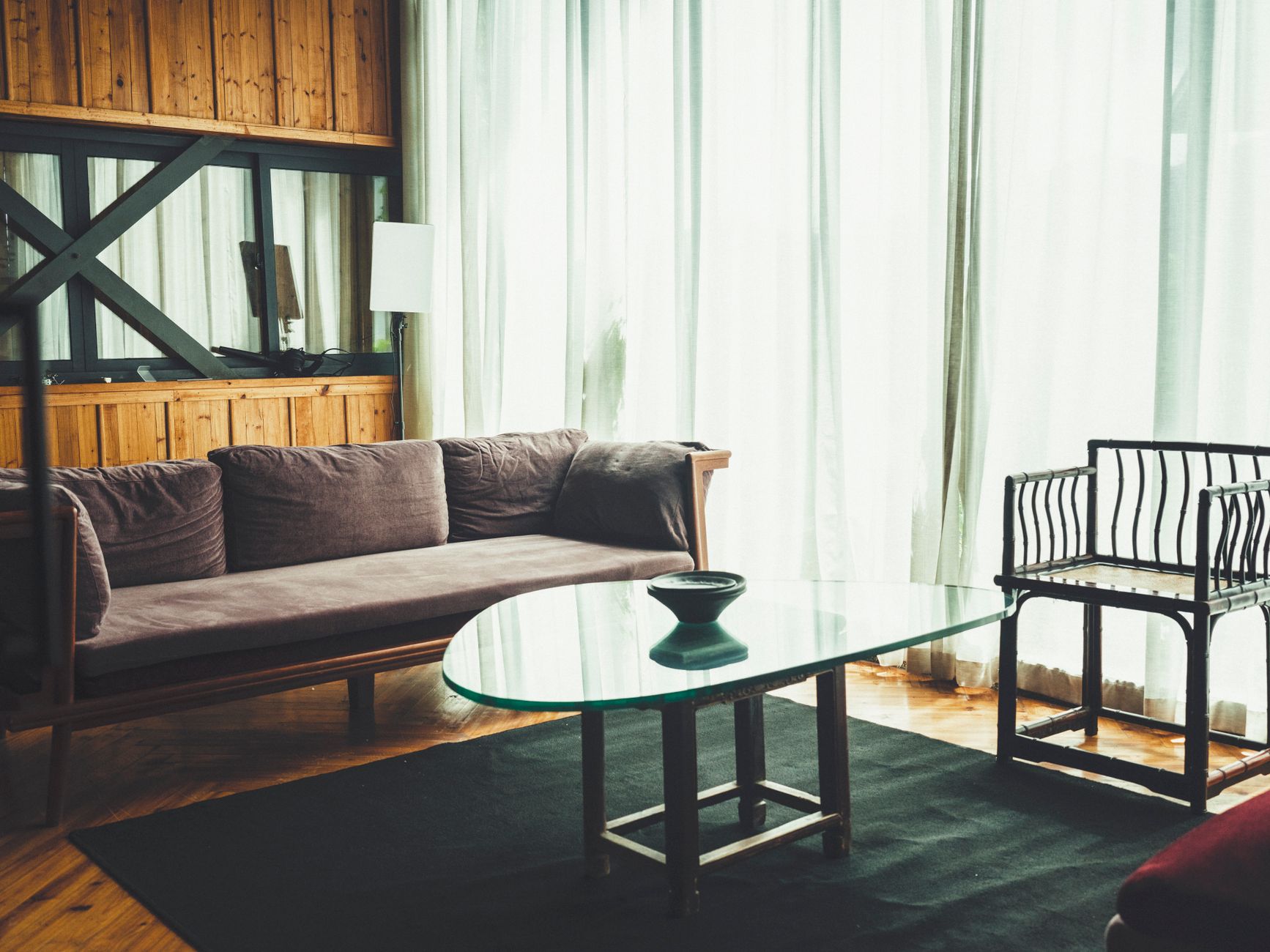
Osouji: The Japanese Year-End Clean
Why does osouji happen before New Year's? A window behind the sofa, balcony rails, and hidden dust explain this December cleaning tradition.
Living
October 17, 2026
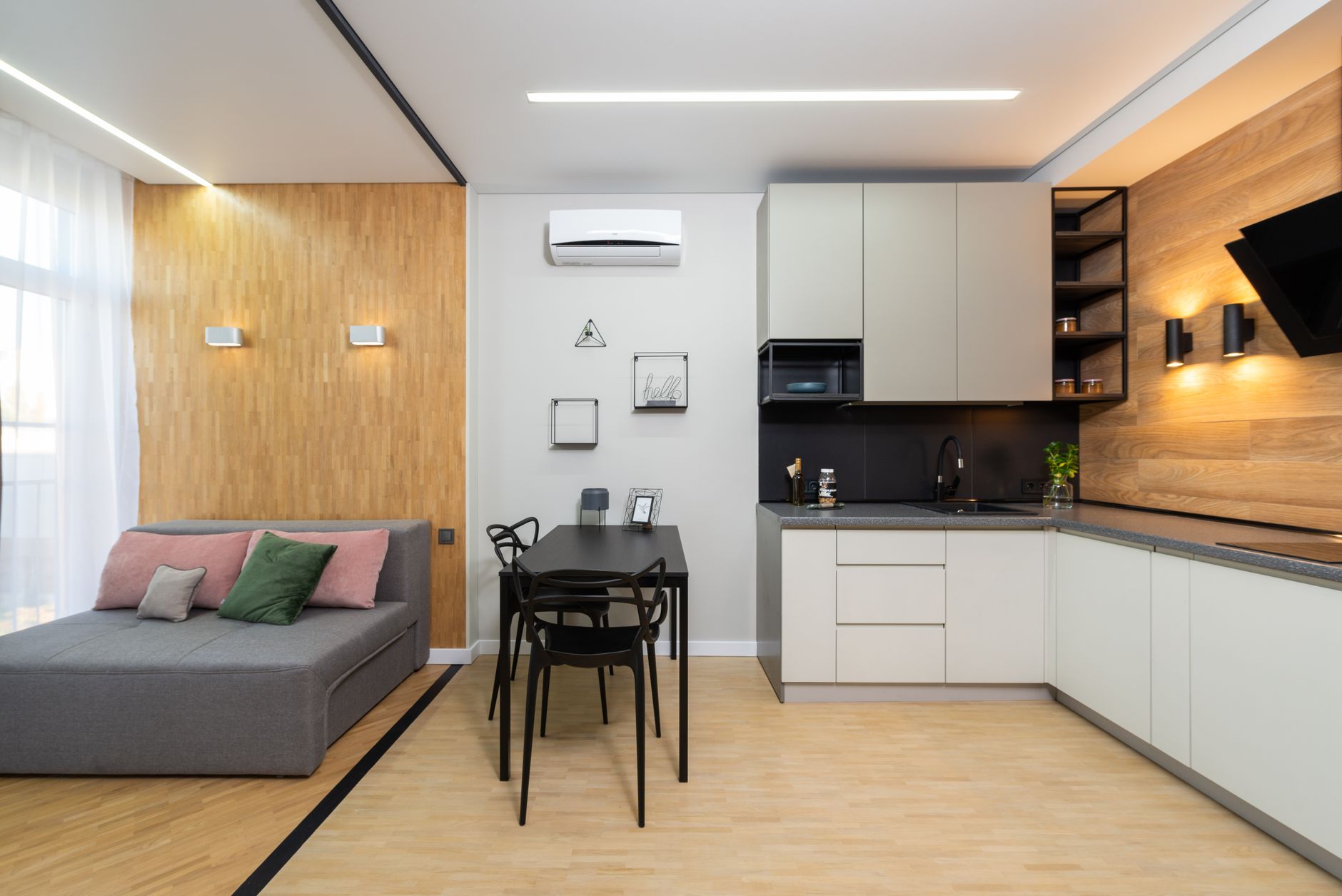
1K, 2LDK: How Japanese Apartments Are Described
What do 1K and 2LDK mean? The number counts bedrooms, while K, DK, and LDK describe shared space on a rental floor plan.
Living
October 17, 2026
What a Japanese Rental Includes (and What It Does Not)
A Japanese rental may include an air conditioner, hob, and bath controls—but no fridge, washing machine, curtains, or light fixture.
Living
October 16, 2026
Sleeping on a Futon: What the Everyday Version Actually Looks Like
What does a Japanese futon look like day to day? See how it folds into an oshiire, airs out, and turns one Osaka room back into a living space.
Living
October 16, 2026
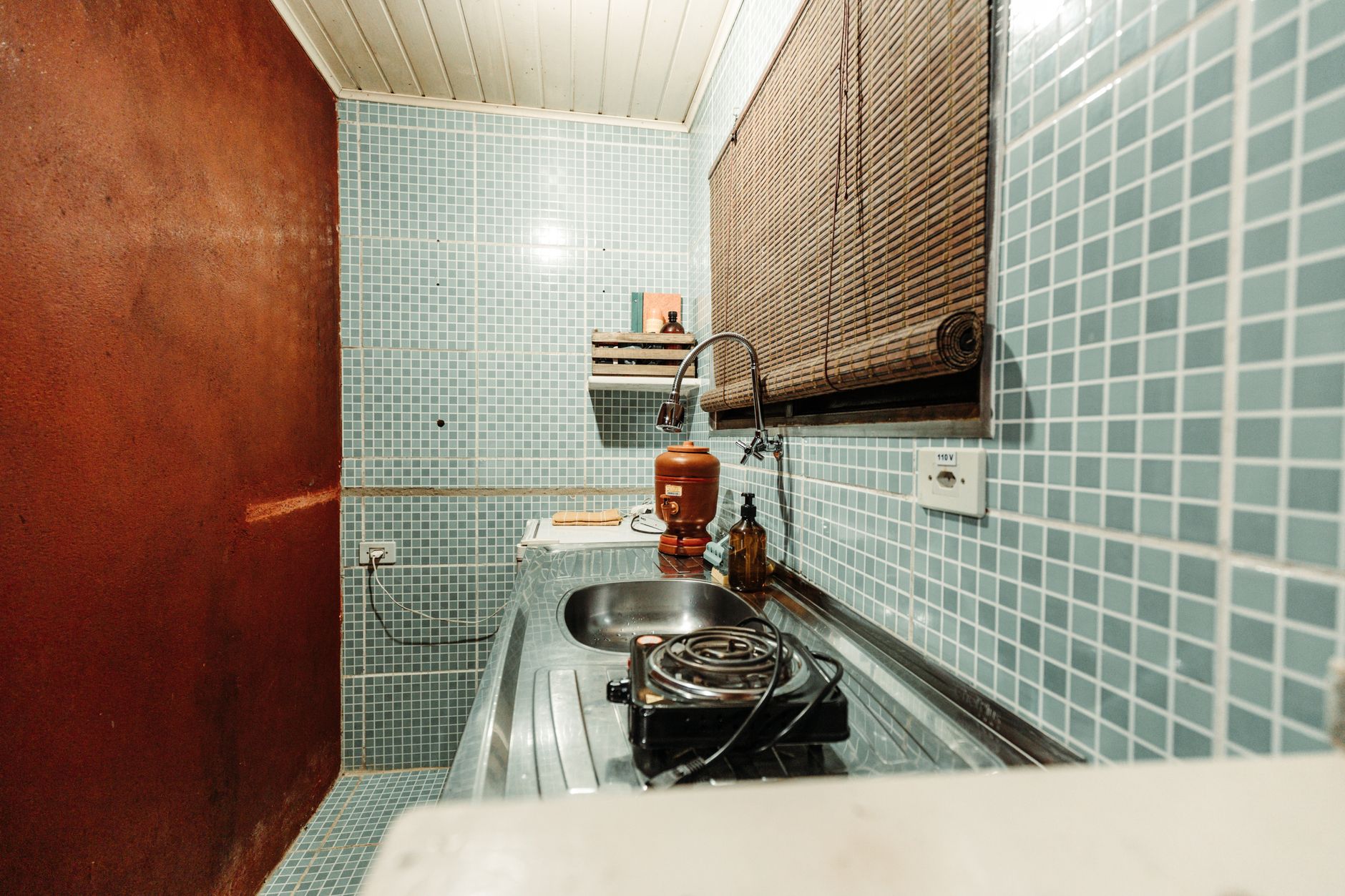
What a Japanese Kitchen Looks Like in an Ordinary Apartment
What does a Japanese kitchen look like? A single-line counter, two-burner hob, fish grill, and washing machine fit into an ordinary flat.
Living
October 16, 2026
Why Japanese Homes Sit Low: Tables, Cushions and Floor Living
Why is the table only knee-high? A Japanese low table, zabuton cushions, and a folding room layout let one space shift from dinner to sleep.
Living
October 16, 2026
Tatami Rooms: What They Are and Why Floors Are Measured in Mats
What does a six-tatami room mean? See how mat layouts, regional sizes, and furniture shape the way Japanese apartments are measured.
Living
October 15, 2026
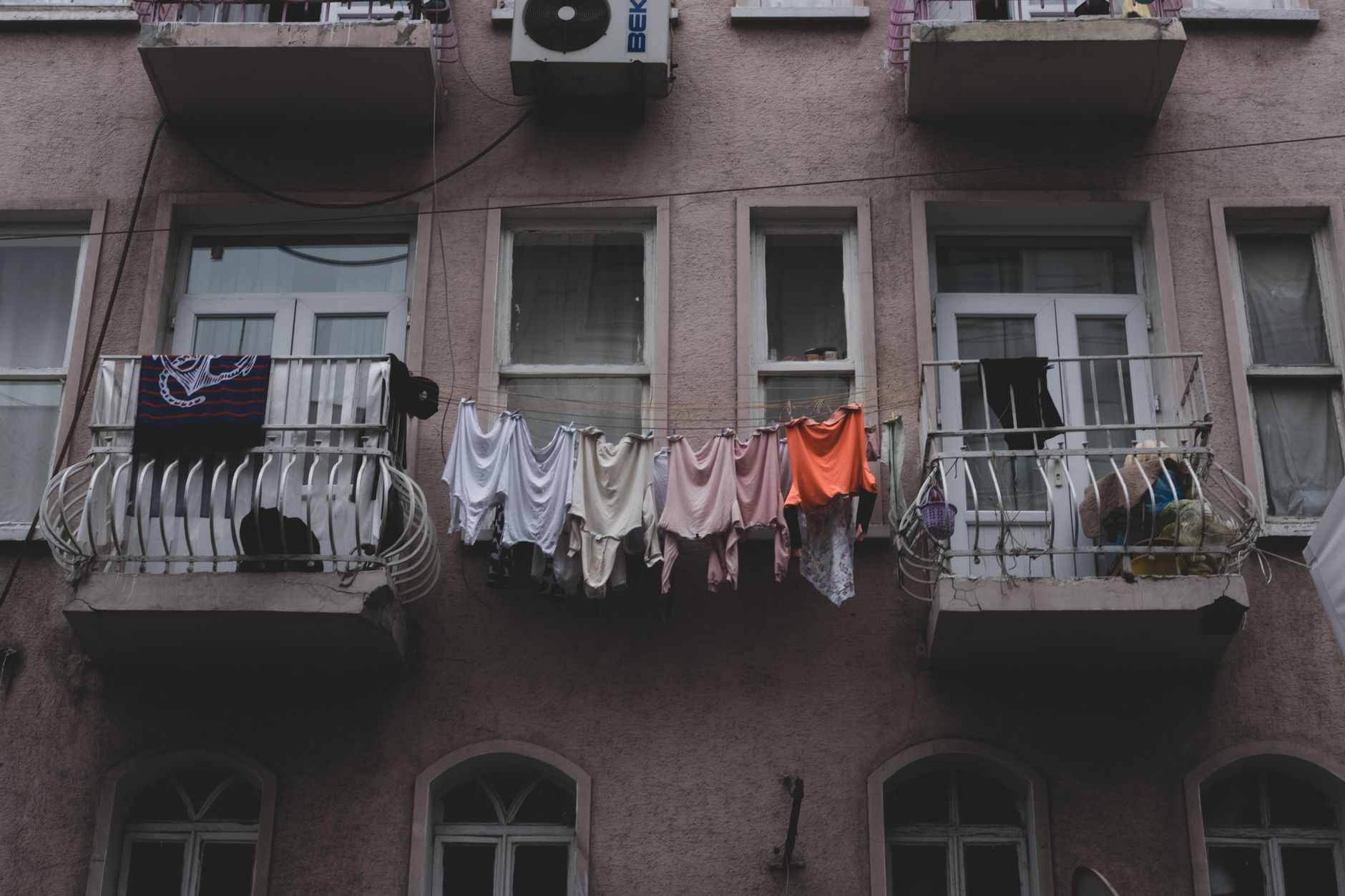
Running a Japanese Home: Garbage, Laundry and Cleaning
Four trash bags, balcony laundry, and quick daily cleaning—see how an Osaka apartment routine fits chores into a small home.
Previous
Page
1
Page
2
Page
3
Next
Search
Categories
Living
Food & Drink
Out & About
Customs
Communication
Money & Admin
Work
Tags
The Home Through the Seasons
Newsletter Sign Up
Email
Sign Up