Skip to content
Living
Food & Drink
Out & About
Customs
Communication
Money & Admin
Work
Living
Food & Drink
Out & About
Customs
Communication
Money & Admin
Work
Out & About
Home
Out & About
Everyday Japan. Everything Japan.
Out & About
October 17, 2026
Post and Delivery in Japan: Takkyubin, Redelivery and Japan Post
A missed-delivery slip can lead to redelivery, a building locker, or a neighbor. Here's how takkyubin, Japan Post, and Japanese addresses fit together.
Out & About
October 15, 2026
Everyday Conveniences in Japan: What’s There and How It Works
What fills the gaps between errands in Osaka? Konbini, vending machines, coin laundries, public restrooms, and lockers make ordinary days easier.
Out & About
October 15, 2026
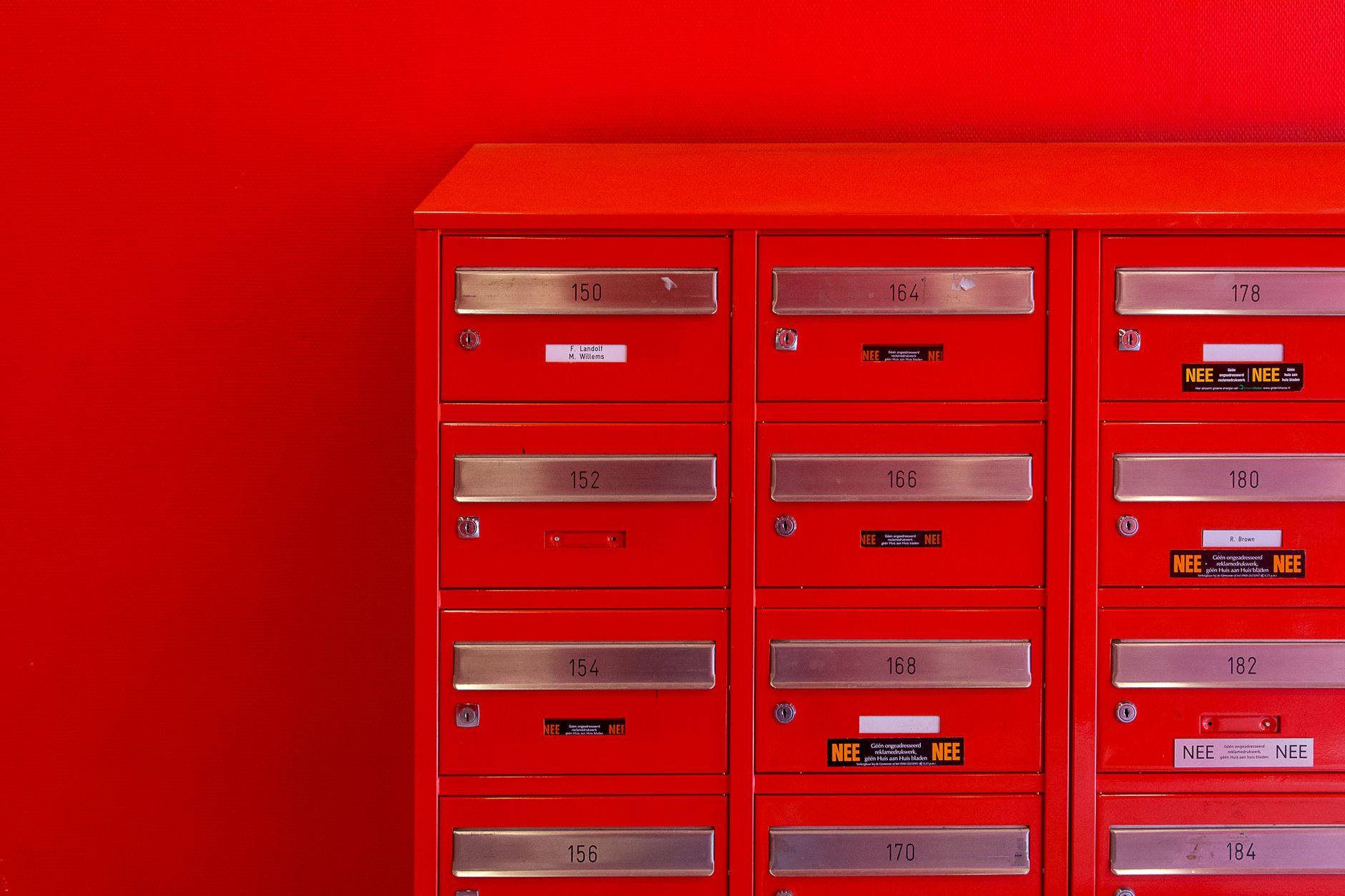
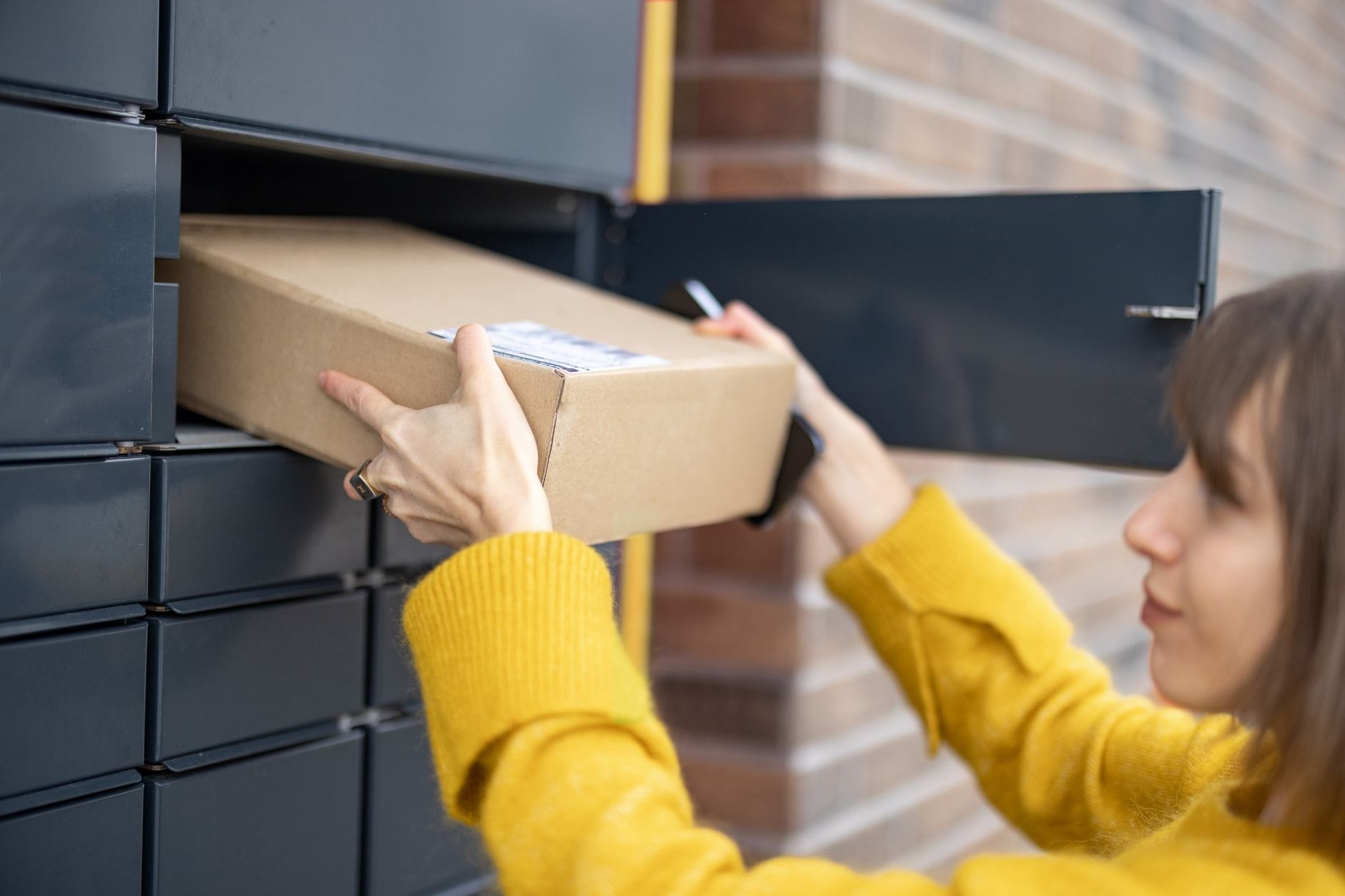
Package Lockers and Delivery Boxes in Apartments and Stations
A missed-delivery slip can point to a coded locker downstairs. See how apartment parcel boxes work, what fits, and when redelivery is needed.
Out & About
October 15, 2026
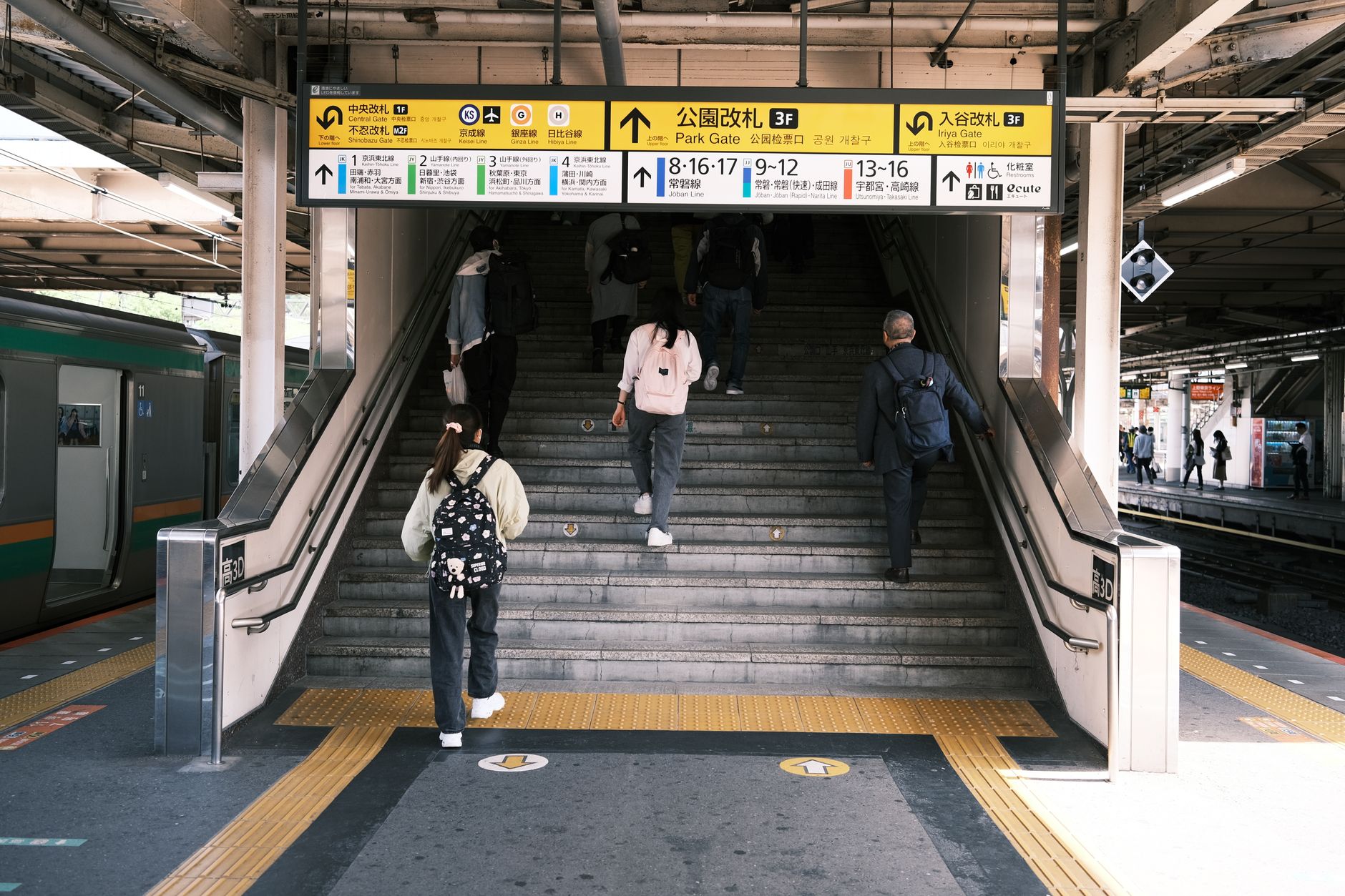
Coin Lockers in Stations, Explained
What happens to a suitcase between trains? Japanese coin lockers charge by calendar day, accept IC cards, and usually hold bags for up to three days.
Out & About
October 15, 2026
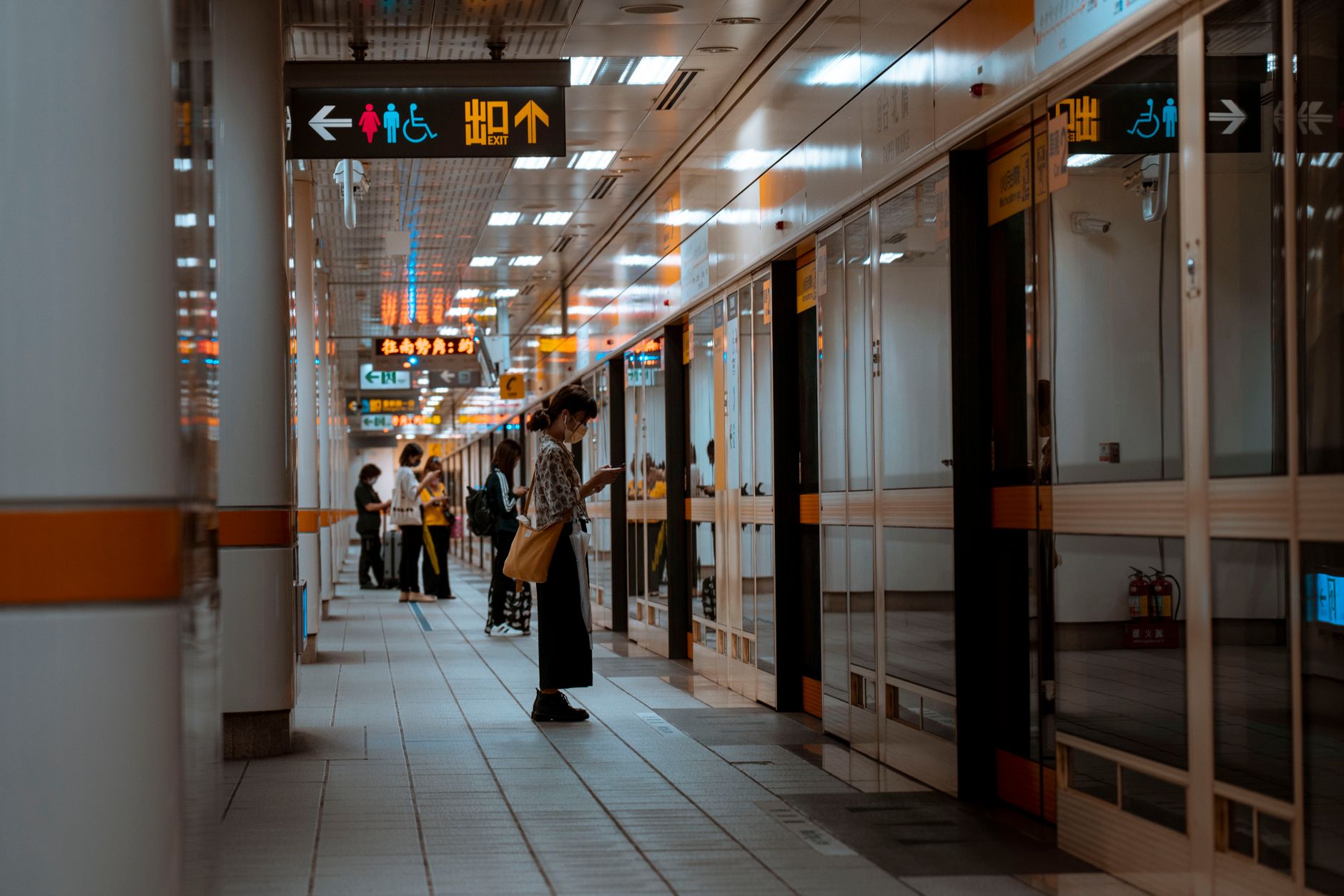
Japanese Public Restrooms: What You Actually Find
Why does a Japanese public toilet show stall availability outside? This look at Osaka restrooms covers locks, tank-top sinks, towels, and cleaning.
Out & About
October 15, 2026
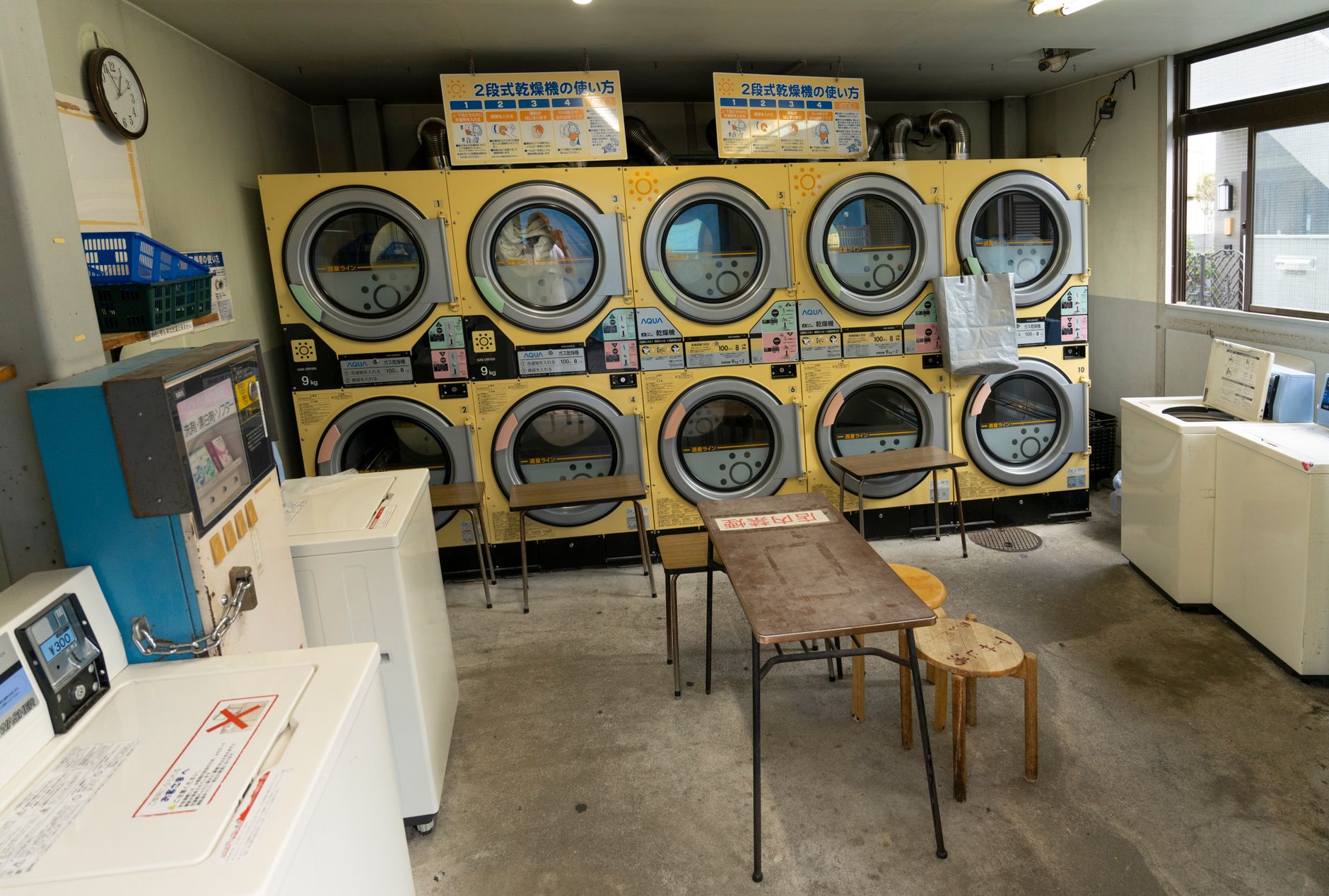
The Coin Laundry: What It Looks Like and Why People Use It
Why use a coin laundry in Japan when you own a washer? Large machines handle futons, duvets, and curtains that home units cannot.
Out & About
October 15, 2026
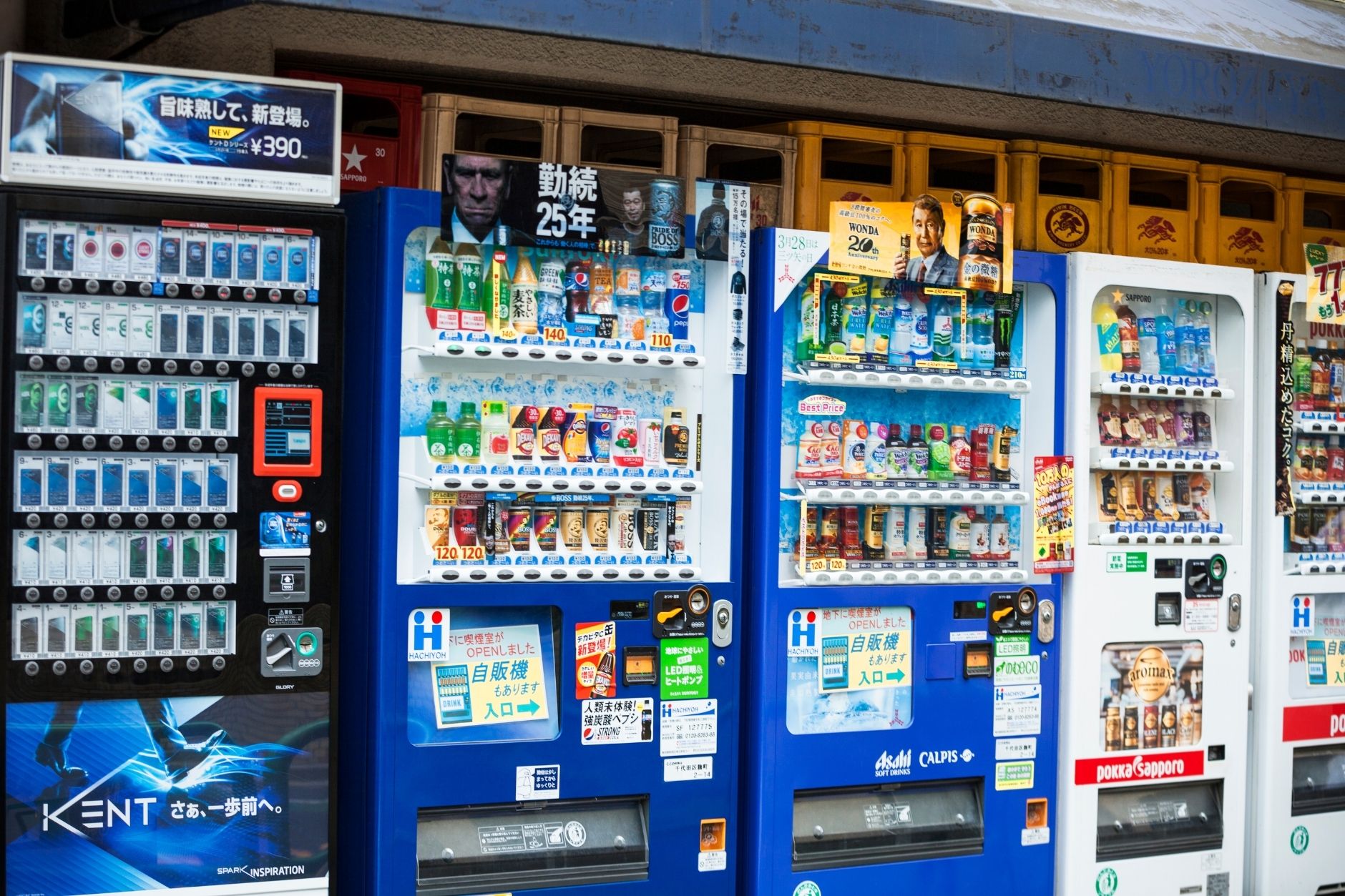
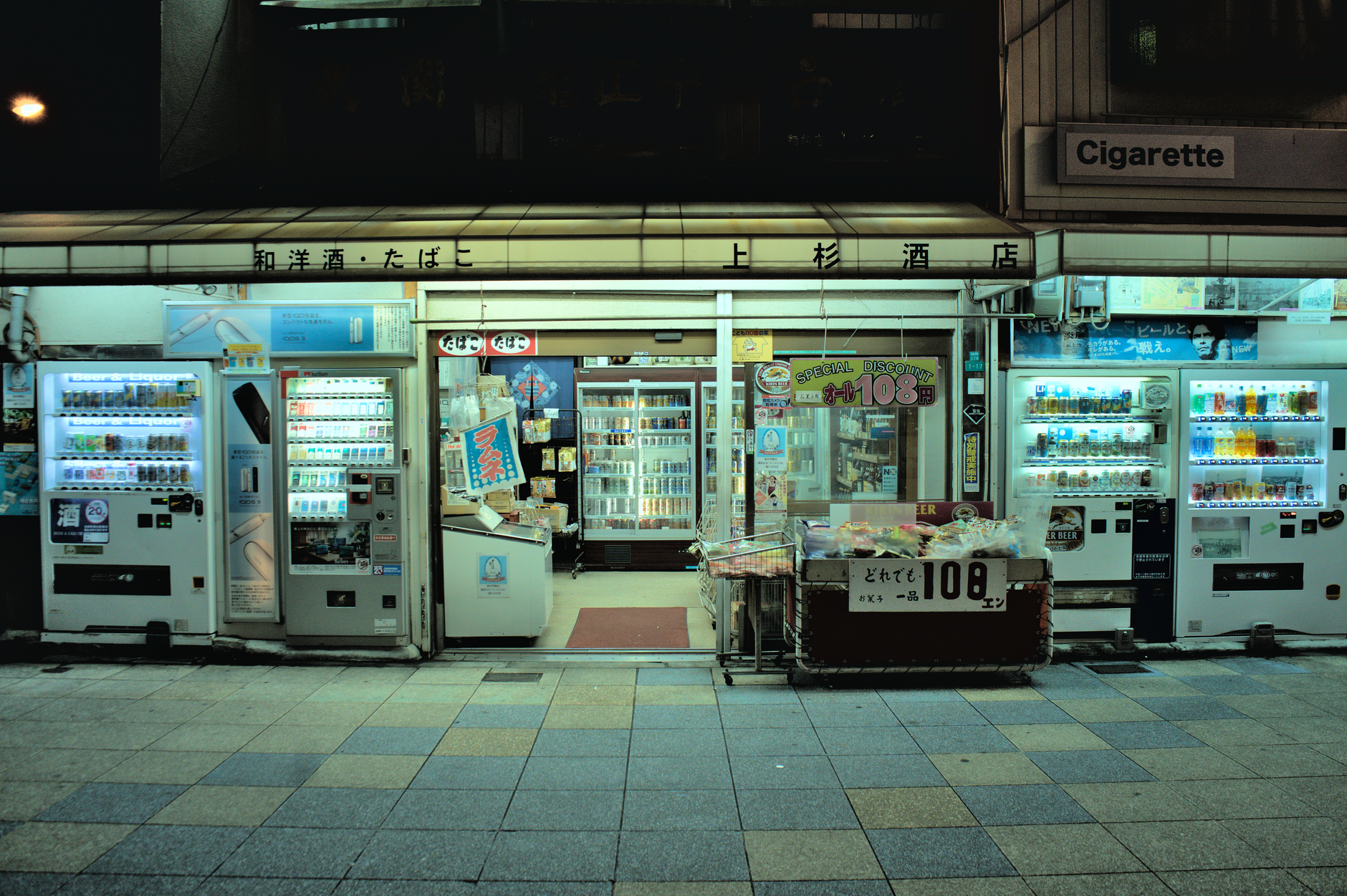
Vending Machines in Japan, Explained
Why are Japanese vending machines everywhere? In Osaka, foot traffic, delivery routes, and hot coffee in winter explain their ordinary convenience.
Out & About
October 9, 2026
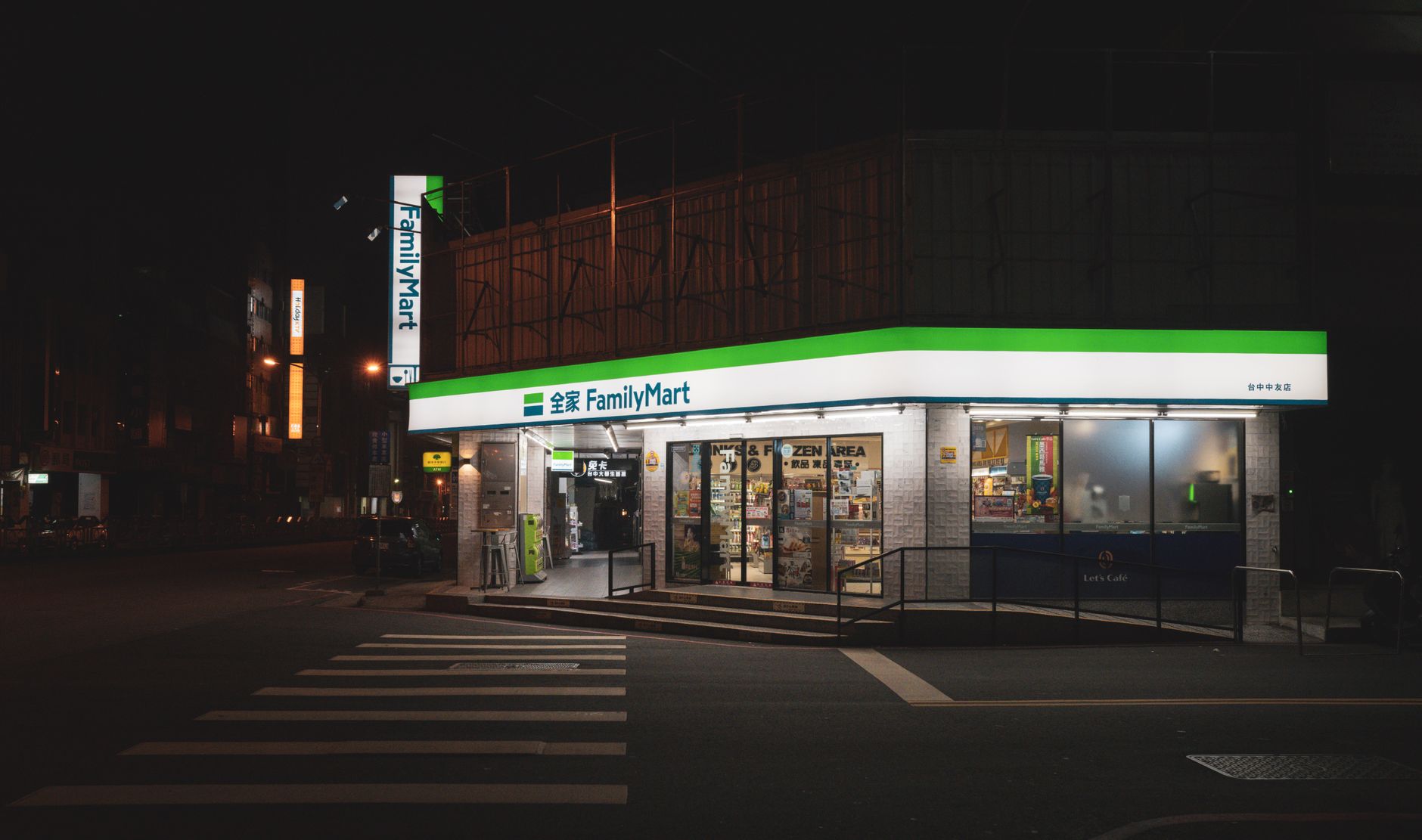
Why Konbini Are Everywhere and What They Actually Do
Why can two konbini share one block? Small plots, passing foot traffic, frequent deliveries, and flexible hours explain the density.
Out & About
October 9, 2026
What a Japanese Convenience Store Counter Can Do
A konbini counter can handle bills, parcels, cash, and ticket printing alongside hot food. Here's what each service actually involves.
Search
Categories
Living
Food & Drink
Out & About
Customs
Communication
Money & Admin
Work
Tags
Everyday Conveniences
Newsletter Sign Up
Email
Sign Up