
The Table Comes Out of Storage
The kotatsu (こたつ) comes back every winter. It begins with a table carried out of a closet and turned on its side. The first time I helped set one up, I expected a single piece of furniture. I found a low frame, a separate heater, and a quilt clipped to the table at each corner.
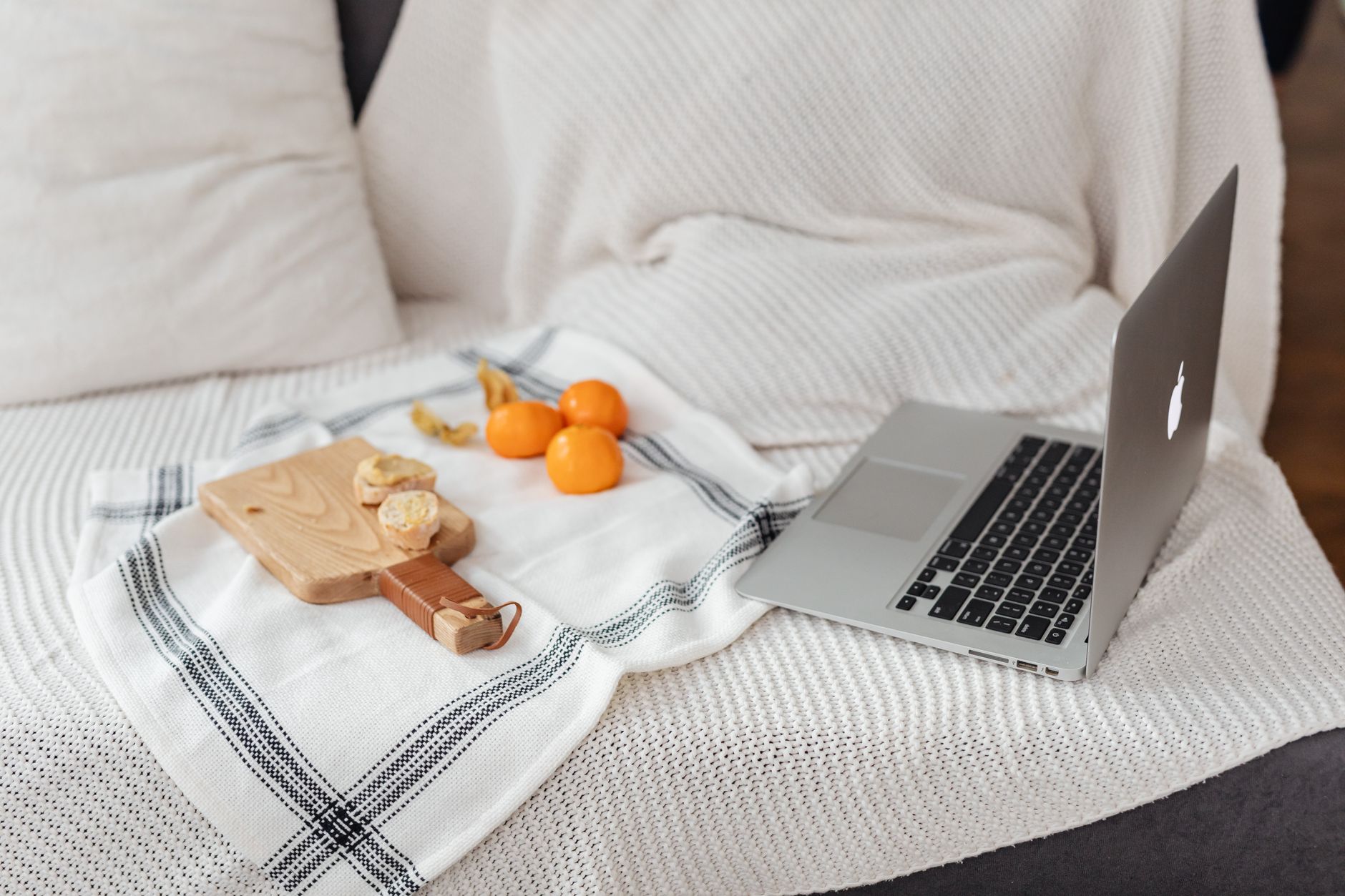
The low table comes out first. Then the heater bolts underneath, and the quilt goes over the frame. The quilt fastens at each corner, and the cable crosses the floor to the wall. The whole thing takes a few minutes once you remember the order.
The kotatsu is not really one object. It is a set of pieces that live in different places for half the year. The table leans against the closet wall, the heater goes on a shelf, and the quilt folds into a bag. Every autumn, the three have to find each other again.
From the doorway it looks like a table. Sit down, and it is the warmest thing in the room. Done wrong, the clips sag and the warmth leaks out. It spends the warm months in a closet, a quieter ritual than the year-end clean.
The tabletop is low, lower than a Western coffee table. That is part of why the blanket works so well. It does not need to reach far to cover your legs. The height is also why the floor-sitting arrangement exists, and that is a separate subject.
The Parts, in the Order You Meet Them
The heater is a small unit bolted under the tabletop, with a dial and a cord. Most people I know run it on the low or middle setting. The quilt is clipped to the frame, not sewn on. It hangs past the edges to trap the heat around your legs, while the cable crosses the floor to the nearest outlet.
You sit on a floor cushion, or you push the table against the sofa and sit on that instead. The blanket covers your legs up to the waist. On the tabletop there is usually a small tray of mikan, the winter citrus that peels in one long strip. It stays within reach because nobody wants to get up once the blanket is in place.
The blanket is not decorative. It has to be thick enough to keep the warm air in, but light enough to stay clipped. Some households use a heavy futon-like quilt. Others use a thin one and turn the heater up a notch.
In spring, the whole thing comes apart again. The quilt gets folded, the heater is unbolted, and the low table goes back into the closet. There is no fixed day for it. It is a quieter ritual than the year-end clean, but it lives in the same closet.
The cord is the ugliest part. It runs from the heater to the wall, and it catches feet, vacuum cleaners, and the edge of the blanket. Some households tuck it under a rug. Others just accept it as the price of a warm table.
The Warmest Chair at the Table
The warmest spot is not evenly distributed. The person closest to the heater gets most of it, usually without asking. In our place, that seat gets claimed early by whoever arrives first. The rest of the table shares what the blanket manages to trap.
The setting is another quiet negotiation: one person wants it high, another lifts the blanket to let cool air in. The dial gets touched a few times an evening. It is not really a fight. It is more like a household adjusting the same dial until everyone can sit still.
On a cold evening, the table becomes the center of the room. The sofa is there, but nobody sits on it. People gather around the low table with their legs underneath, doing separate things in the same warm square. The warmest place wins the evening.
The mikan tray sits in the middle, and the peels pile up in a small bowl. People reach for one without looking up from a phone or a book. It is a small thing, but it keeps the table from becoming just a heater. The kotatsu is a table first, and a warm table second.
The blanket creates a clear line between warm and cold. One hand can be under the table, warm enough to forget the season. The other hand, reaching for a glass, crosses into the cold room. The line is that sharp.
Why the Table Wins the Evening
A Japanese home in winter is often heated room by room, not as one envelope. The living-room heater warms the air around it. The kotatsu catches the space that heater does not reach. It works because it heats the small pocket under the blanket, not the whole room.
An American living room often has a vent or a radiator doing the same job from inside the wall. The warmest place is wherever the air reaches first. Here, the warmest place is under a table. It sounds small, and once you sit down, it is enough.
The reason homes are built that way is its own subject, and I have written about it. The floor-sitting arrangement is a separate article too. Neither needs to be settled to understand the kotatsu. The table simply solves the problem the cold house creates.
The kotatsu also matches the way the evening already works. In a cold room, people sit closer to the heat without thinking about it. The low table makes that closeness feel natural rather than cramped. The blanket does the rest.
A heated toilet seat and a dryer in the bathroom stay in place. The kotatsu is movable, and that is its advantage. It follows the gathering rather than waiting for people to gather around a vent. The warm spot moves when the table does.
Not Everyone Brings One Back
The kotatsu is not as universal as the image suggests. Plenty of households never had one. Newer flats with insulated floors and better heating need it less. In those homes, the kotatsu can feel like extra furniture rather than a solution.
Some homes have a heated carpet doing the same job underfoot. Others prefer a small space heater in the corner. The kotatsu survives where the room is still cold enough in winter to make the table worth setting up. Its place has narrowed, and that is an honest thing to say.
It still comes back in plenty of homes, including mine. Not because it is better than central heating. The house is warm in one spot and cold in the rest. The kotatsu makes that one spot large enough for the whole evening.
I have seen kotatsu more in older buildings and in homes with tatami rooms. In newer flats, better windows and floor heating often make it less necessary. That does not make it a dying object. It just makes it a choice, and not everyone chooses it.
The kotatsu itself has changed. Some are now built into a low table with a flat heater. The quilt has become thinner and easier to clean. The old heavy ones are still around, but the object keeps moving with the building.
A warm table in a cold room is a small, practical luxury. The parts go back in the closet each spring. The next autumn, somebody carries the table out and starts again.