
The Crepe and the Crossing
The crepe stand near the station hands you the crepe in a paper cone with a little plastic fork. The whipped cream starts to sag before you reach the crossing. The obvious move is to eat it while you walk. Around here, eating while walking in Japan means stopping first. People step to the edge of the sidewalk, finish the crepe, and then keep going.
I used to think there was a firm rule against eating while walking. The guidebooks I read before coming here made it sound like a small crime. The reality is softer. The rule is less about the food and more about the mess.
The Rule on an Ordinary Street
On a normal shopping street, few adults eat a full meal while walking. Small snacks are different. A rice ball from a konbini (コンビニ), a convenience store, is common. So is a can of coffee or a bottle of tea. People hold the wrapper until they find somewhere to throw it away.
This is not a law. I cannot point to a sign that says “do not eat while walking.” It is more like a shared habit. The habit follows the setting. A crowded train platform is different from a quiet side street.
The shoes-off rule has a clear line: the genkan, the entryway. There is no such line for eating. The edge is softer. People often stop near the store, finish, and then walk. Small wrapped food may go with them.
Where I grew up, walking with a slice of pizza was normal. Nobody thought about it. The wrapper went in a bin on the next corner. Here, the bin often does not exist. That changes the calculation.
The small snack is usually wrapped. An onigiri has a plastic seal. A pastry sits in a small bag. The wrapper makes the mess a future problem. People can eat the snack and carry the wrapper. That is often what happens.
Warm food is different. A steamed bun in winter steams. A croquette leaves grease. These are eaten near the shop. The walk starts after the last bite. No one wants a greasy wrapper in a coat pocket.
Where It Loosens
Festivals and outdoor markets are the exception everyone accepts. Nobody walks far with a skewer of grilled chicken. They stand by the stall or at a nearby table. Then they walk. The food is the point of the street.
Parks are similar. Sitting on a bench with a bento, a boxed lunch, is normal. Walking and eating a sandwich is not strange, but it is less common than sitting. The distinction is movement, not food. A crepe on a park bench is fine. The same crepe while crossing a busy street feels off.
At a festival, the street becomes an open-air food hall. Stalls hand out yakisoba, fried noodles, in flat boxes. People step to the side and eat with a toothpick. Then they walk a few steps. The rhythm is slower. Nobody pretends the food is invisible.
During cherry blossom season, parks fill with tarps and food. People eat sitting down, but they also walk between groups with a drink. The rule loosens because the whole park becomes a dining area. Movement is not the problem there.
If someone does spill or bump into another person, a quick bow of apology is common. It is the same small bow you see after a near collision on a train platform. The apology is for the inconvenience, not for the crime. Eating while walking was never the crime.
The Train Platform Split
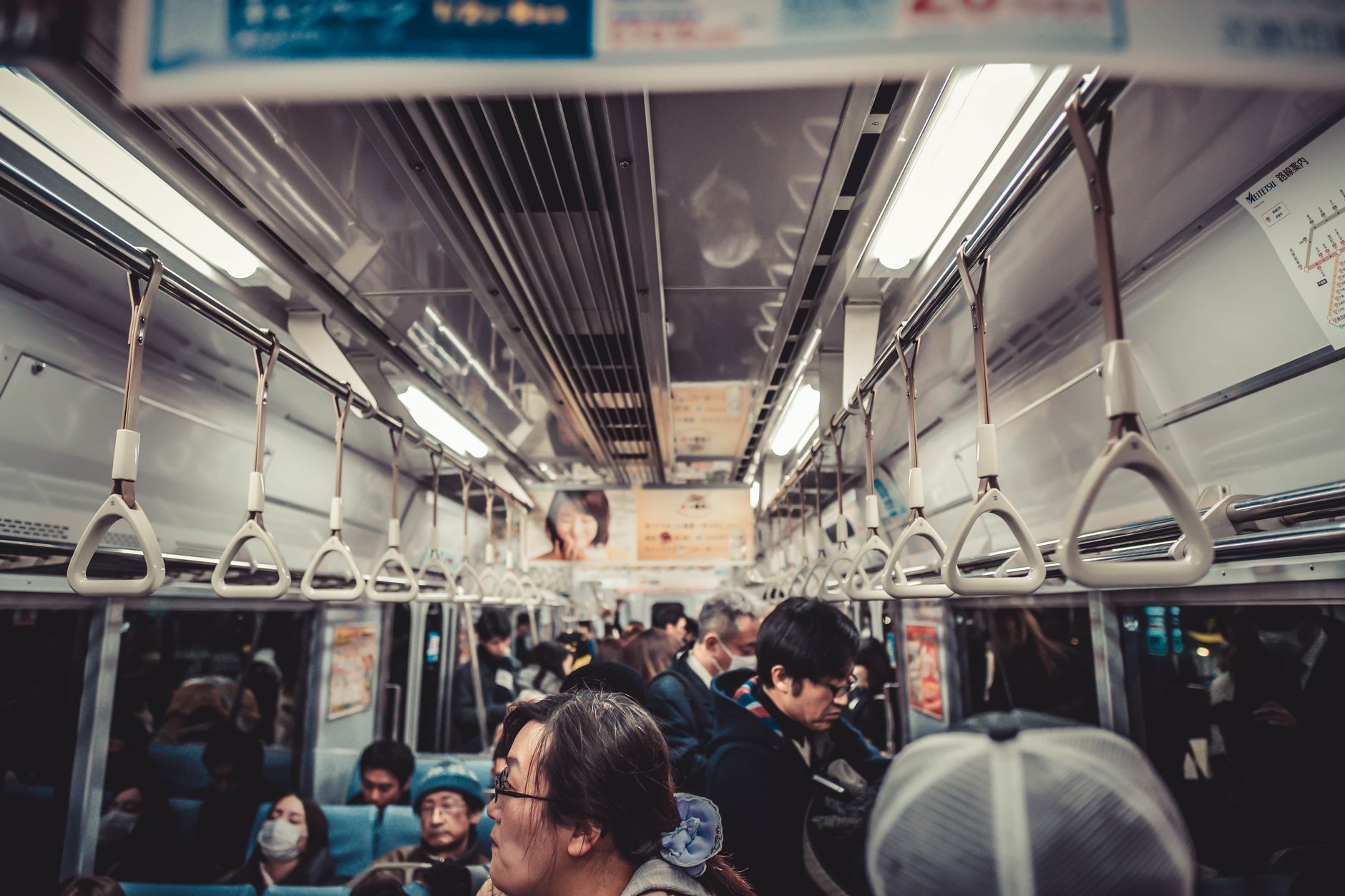
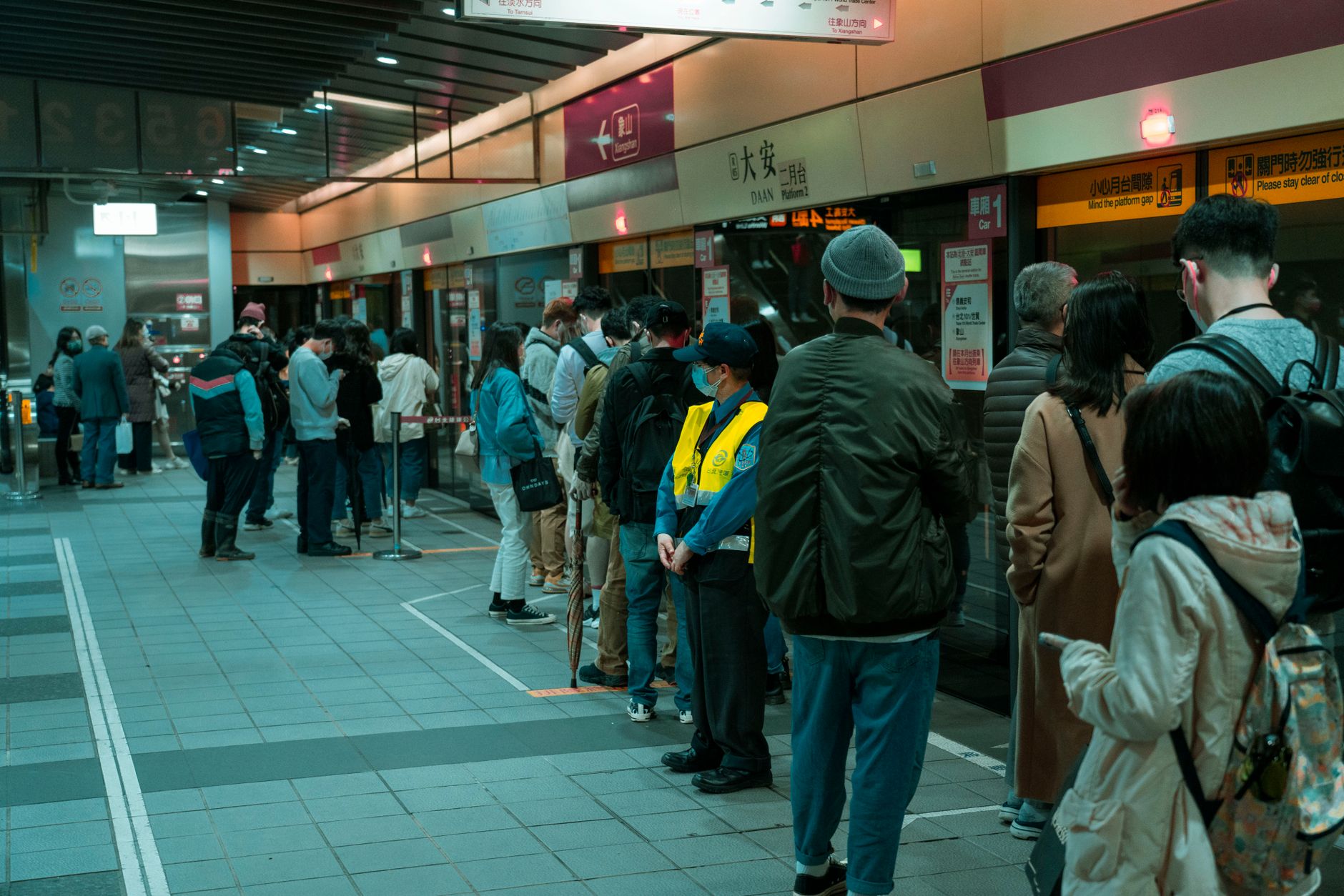
Local trains are quiet. Eating on a local train is rare. You might see a child with a small snack. Adults mostly wait. The platform is a waiting zone, not a dining room. A covered cup is fine. An open pastry is not.
The bullet train, the shinkansen, is different. Long-distance trains sell ekiben, boxed meals made for travel. Eating at your seat is expected. The same person skips food on a local train. They open a full box on the bullet train. The setting changes the rule.
Why the Habit Holds
The walking rule is not about propriety. It is about not making a mess in public. A dropped sauce is a small disaster on a crowded street. The habit protects that shared space. Practical reasons, not spiritual ones.
The same logic runs through the shoes-off rule. Outside dirt stays outside. Food mess stays near the food. Both rules are about where the outside stops. They are habits, not rituals.
There is also a timing point. Hot food cools quickly. Ice cream melts. A crepe gets messy. Eating at the stall or on a bench is easier than eating while navigating a crowd. The practical choice often looks like a rule.
The Konbini Door
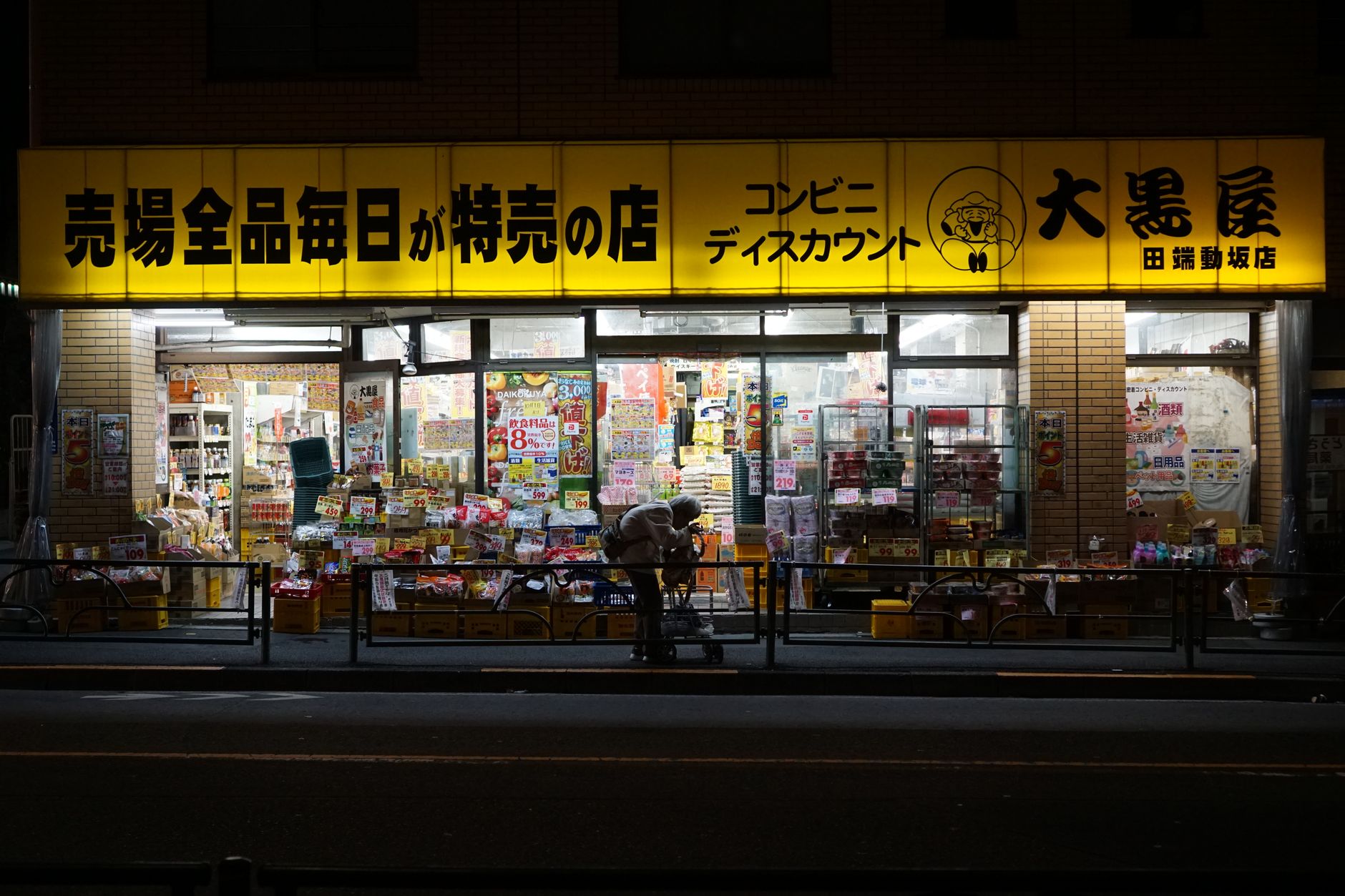
The konbini near my station sells hot snacks. People buy a fried chicken piece and step outside. They do not walk far. The store has no seats, so standing is the only option. The curb becomes a tiny dining room. The wrapper goes in the store’s bin before the walk continues.
This standing habit is easy to miss. It looks like someone pausing to check a phone. But the food disappears fast. Then the person moves on. The walk starts only after the trash is gone.
Kids and the Softer Version
Children get more slack. A child eating a rice cracker while walking is common. Parents herd them and carry the wrapper. The rule is taught, but not strictly. It is about becoming an adult in shared space.
Foreign visitors often get the same read. Nobody is watching for a bite. The worst that happens is a glance. The rule is enforced by the setting, not by a person.
What the Bins and Signs Suggest
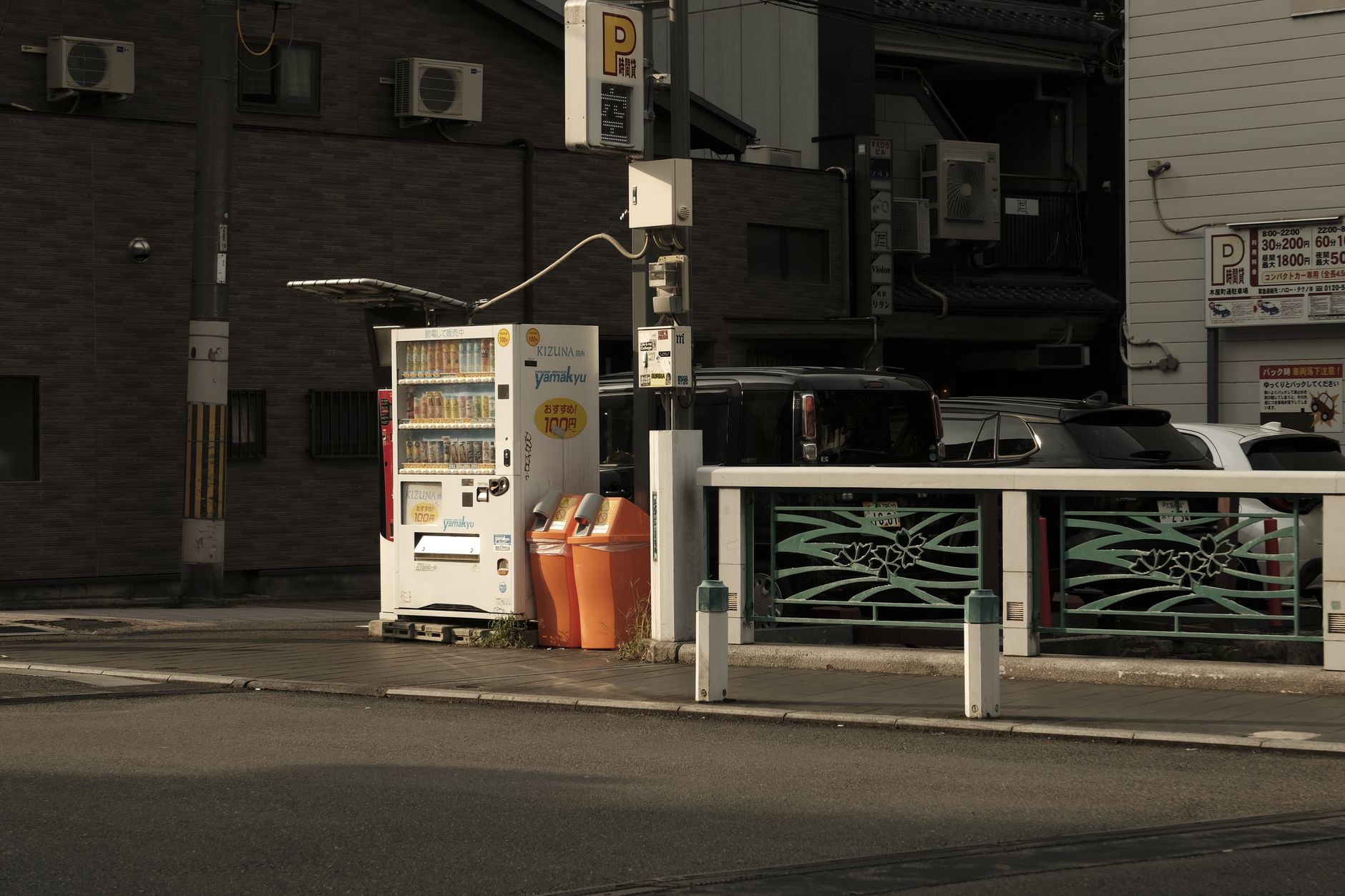
There are fewer public bins on the streets than I grew up with in the Midwest. The absence of bins does a lot of quiet work. If someone opens a snack, they are responsible for the wrapper. People carry small trash home or to the next konbini. The bins belong to a different article. Their absence shapes the walking rule.
Signs near stations almost never say “do not eat while walking.” They say “please do not litter.” The message is about where trash ends up. A few smaller stations put up gentle posters about being considerate. They do not ban the crepe.
The bins send a clearer signal than any sign. No bin means no easy place to drop a wrapper. So the snack gets finished near the shop. The walk starts after the wrapper is gone.
The Bigger Picture
The walking rule is one small part of how public space works here. It sits beside the shoes-off rule. Both mark a line between inside and outside. Both are practical. Both feel natural after a while. They are not about being quiet or mysterious.
The next time you see someone stop outside a konbini and eat standing up, watch what happens next. The wrapper goes in the bin. Then they walk. That is the whole rule. It was never about the food.