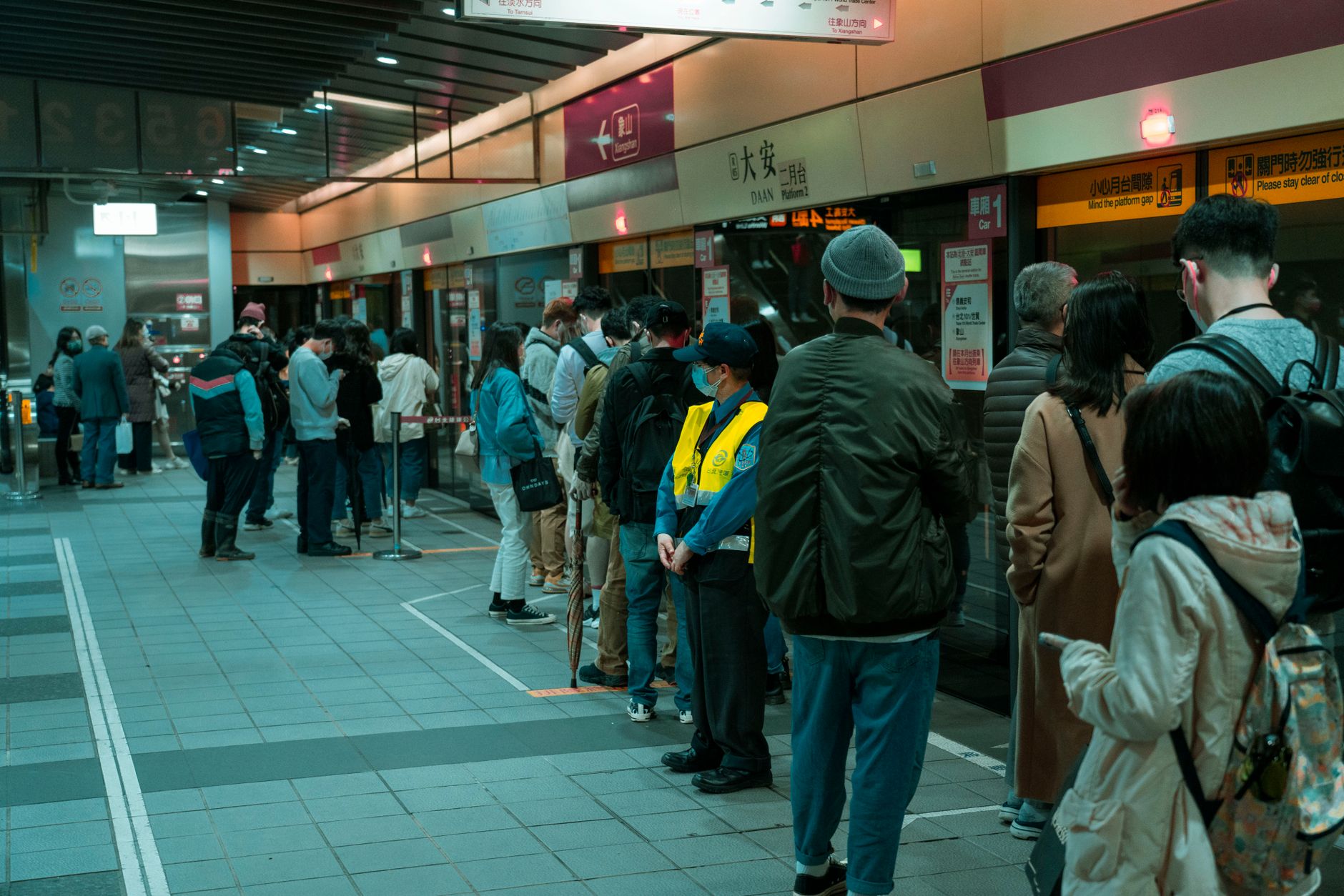

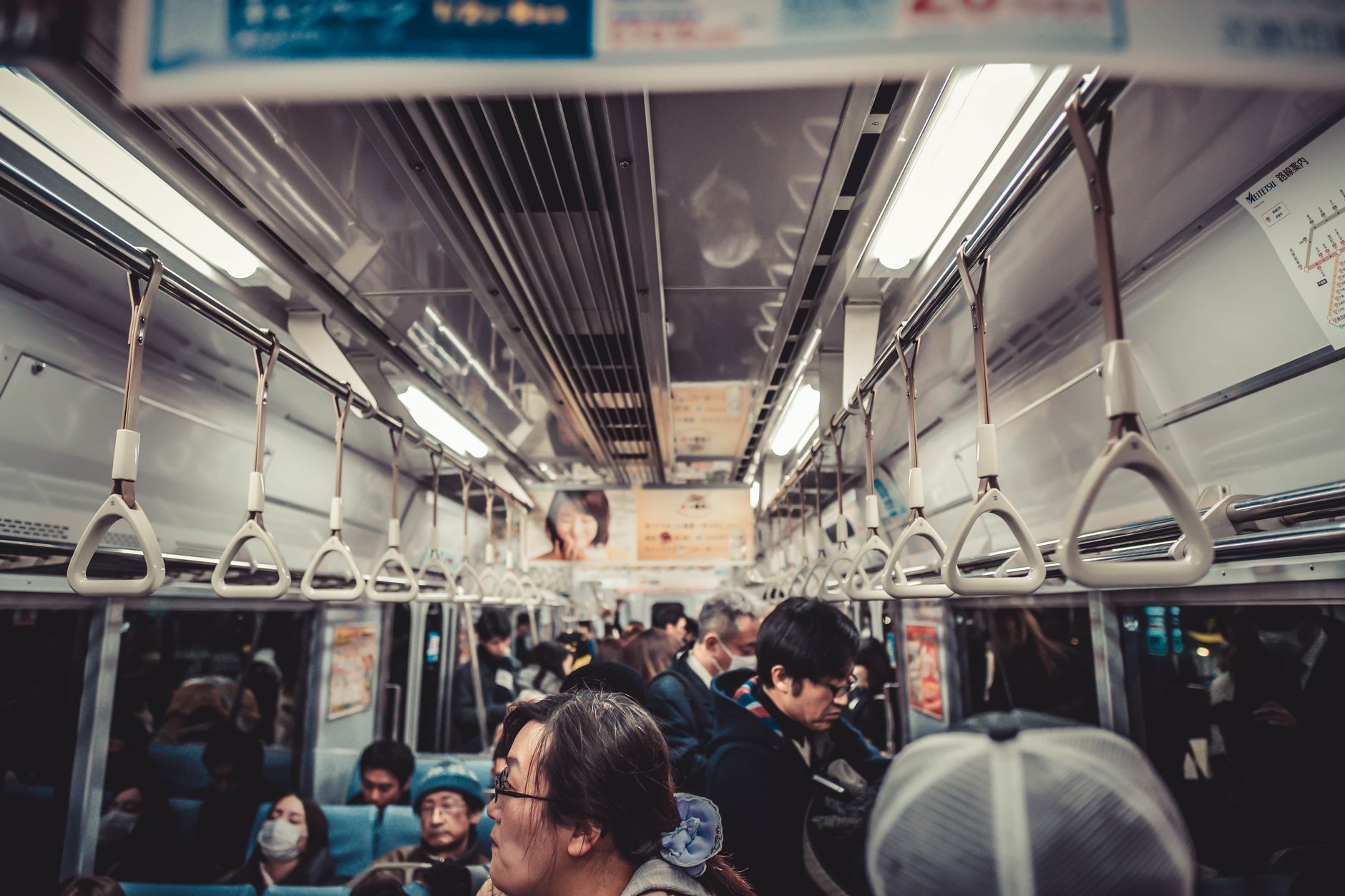
A full commuter train in Osaka can be almost silent at rush hour. I’ve gotten used to calling it Japanese quiet — a packed car, hardly anyone above a murmur. It looks like one rule. It’s really a pile of small habits, and most of them are unwritten.
The Sounds You Actually Hear
On a crowded train at eight in the morning, the loudest things are mechanical. Doors beep before they close. A recorded voice names the next station. A short melody plays at the platform edge. The passengers produce very little sound. When I first arrived from the Midwest, that felt wrong. A full train should have a low roar of conversation, because the trains I knew did.
The volume is a learned habit, a lot like the shoes-off rule at the door. Nobody announces it, but everyone acts as if it is obvious. I have a separate article on why that home rule sticks.
People do talk, but they keep the volume inside their small group. Two coworkers might chat near the door, and you will only catch every third word. A family with a child will speak to the child in a soft tone. It is the same volume you might use in a library or a waiting room, not because anyone is watching, but because that is the volume the space seems to ask for.
Phone calls are almost nonexistent. Riders text, read, or doze. Signs ask that phones be set to silent mode, but most people did that before they boarded. The only full-voice phone conversations I hear are from people who have just arrived and have not adjusted yet, and they draw quick glances.
The chimes are part of the quiet, not a break in it. A station departure melody is short and predictable. It tells you the doors are about to close without a human voice. On a platform, the loudest sound is often the train itself arriving.
The Signals Nobody Says Out Loud
Inside a packed car, a lot of the communication is non-verbal. Someone who wants to sit will gesture at the open space rather than ask. A person getting off will turn toward the door early, and the crowd will shift to let them pass. A small bow is another low-volume signal, and it works because everyone already knows what it means.
Backpacks come off and get held low. Bags go on laps. Nobody stretches their legs into the aisle or takes up two seats without realizing it. These adjustments look automatic, but they are choices people make every few seconds. They keep the car quiet without a single instruction.
The Most Annoying Things Are Measured
The Japan Private Railway Association has surveyed rail passengers for years. It represents 72 private rail operators, and its fiscal 2022 results show what riders find annoying. The top complaint was not loud talking. It was ways of sitting at 34.3 percent. Loud conversation and raucous behavior came second at 33.9 percent.
That sitting outranks noise is the detail that surprises people. It reframes the quiet. The car is not just about volume; it is about space and how bodies share a fixed number of seats. Noise matters, but so does how someone sits, stretches, and takes up room.
In 1999, the first year of the survey, mobile phone usage topped the list. It did not top the fiscal 2022 list. That shift tracks a change in behavior rather than a change in rules. Phones did not become quieter because a law passed. People adjusted what they did in shared space.
The Posters Make the Rules Visible
Tokyo Metro has run a manners awareness poster campaign since September 1974, more than 50 years now. The early posters named specific behaviors: do not smoke on the platform during rush hour, do not spit gum, and show your train pass clearly. These were not vague pleas for politeness. They were instructions.
The campaign changed tone over time. In April 2008, Tokyo Metro launched a series called “Let’s Do It Somewhere Else.” It highlighted talking loudly on the phone and putting on makeup in a crowded train. The message was simple: the act itself is fine, but the shared space is the wrong place for it.
In 2016, the posters shifted to a single kanji character each month. One character carried the whole reminder. The posters are produced by the Metro Cultural Foundation, a public-interest group affiliated with Tokyo Metro. The posters do the same work that a short bowing gesture does in person. They make an expectation visible without turning it into a command.
What Is Actually Enforced
Most of the quiet is not enforced. There is no law against talking on a train, and staff do not fine anyone for a loud conversation. What is enforced is the larger stuff: smoking, door safety, and keeping aisles clear. The volume level is social, not legal.
Staff announcements fill the space that passenger voices leave open. The conductor names the next station, warns about the gap, and asks people to move inside. On a quiet car, those announcements become the dominant voice. On a loud train, they would fade into the noise.
Signs are everywhere, but they are mostly visual. A pictogram of a phone with a line through it sits near the priority seats. A small poster asks people not to put on makeup. Most of the instructions are drawn, not announced. That keeps the space from becoming a wall of spoken commands.
The same line runs through the home. The shoes-off rule is not enforced by a fine either, but almost everyone follows it. A shared space has a default behavior, and most people match it without being asked.
Quiet in Other Shared Spaces
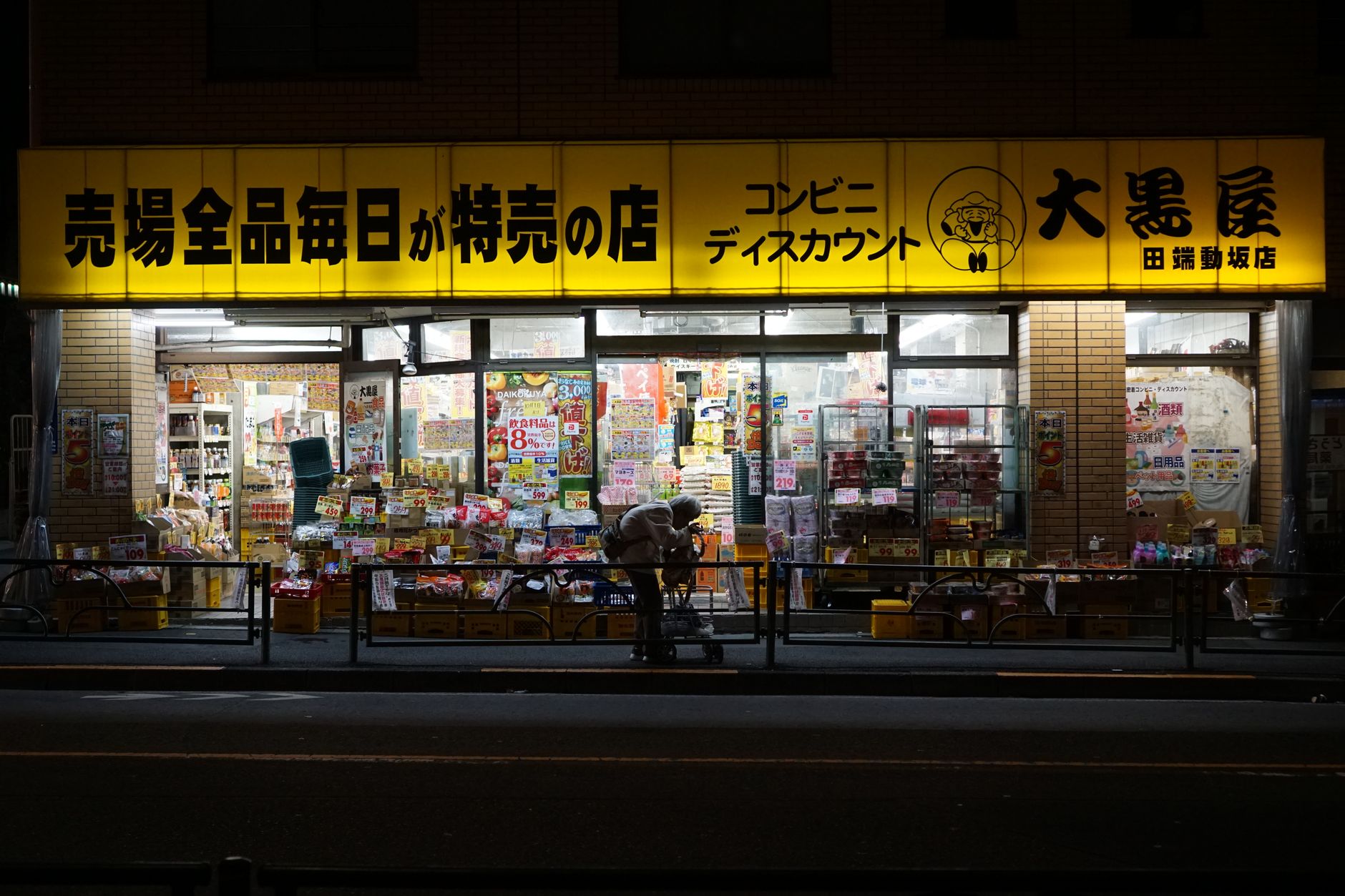
The train is where the quiet feels strongest because people are trapped together. But the same low-volume habit shows up in office elevators, clinic waiting rooms, and convenience store lines. In my office building, the elevator ride is usually silent except for the floor chime.
A convenience store plays its own background music and announcements, but customers do not raise their voices to order. The staff call out the total and a greeting. That is enough. The quiet is not about being somber; it is about keeping the shared air calm.
Back home, I might have read this as cold. Here, after a while, it reads as relief. You can think your own thoughts in a crowded place without being pulled into a conversation.
Where the Quiet Comes From
The honest answer is that no single documented reason explains the quiet. The poster campaigns show how the behavior is taught and repeated over decades. The surveys show what riders find annoying. But why quiet became a shared expectation is harder to settle. I will not pin it on national character. The people I ride with are not silent by nature.
On the trains I take, the quiet is maintained by small visible prompts and by everyone around me doing the same thing. A new rider arrives, looks around, and lowers their voice. That is not a theory. It is what I have watched happen more times than I can count.
There are exceptions. A group of tourists may talk at full volume and draw looks. A drunk passenger late at night can be loud. The baseline is quiet, but it is not absolute. What stands out is how quickly the car returns to quiet after the exception leaves.
So the next time someone tells you the quiet is because of respect or discipline, be skeptical. The quiet is built from habits, signs, and a lot of small choices. Some of it is documented. The rest is simply the way a shared space settles when nobody pushes against it.
References
- Counter-Print — details of the early Tokyo Metro manner posters, including their 1974 start and the specific behaviors they named.
- Japan Forward — information on the 2008 “Let’s Do It Somewhere Else” campaign, the 2016 kanji posters, and the Metro Cultural Foundation.
- Nippon.com — Japan Private Railway Association survey figures for fiscal 2022 and 1999.