
The Window Behind the Sofa
Once a year, the window behind the sofa gets cleaned. This is osouji (大掃除), the big year-end clean, and it is the only time that particular glass sees a cloth.
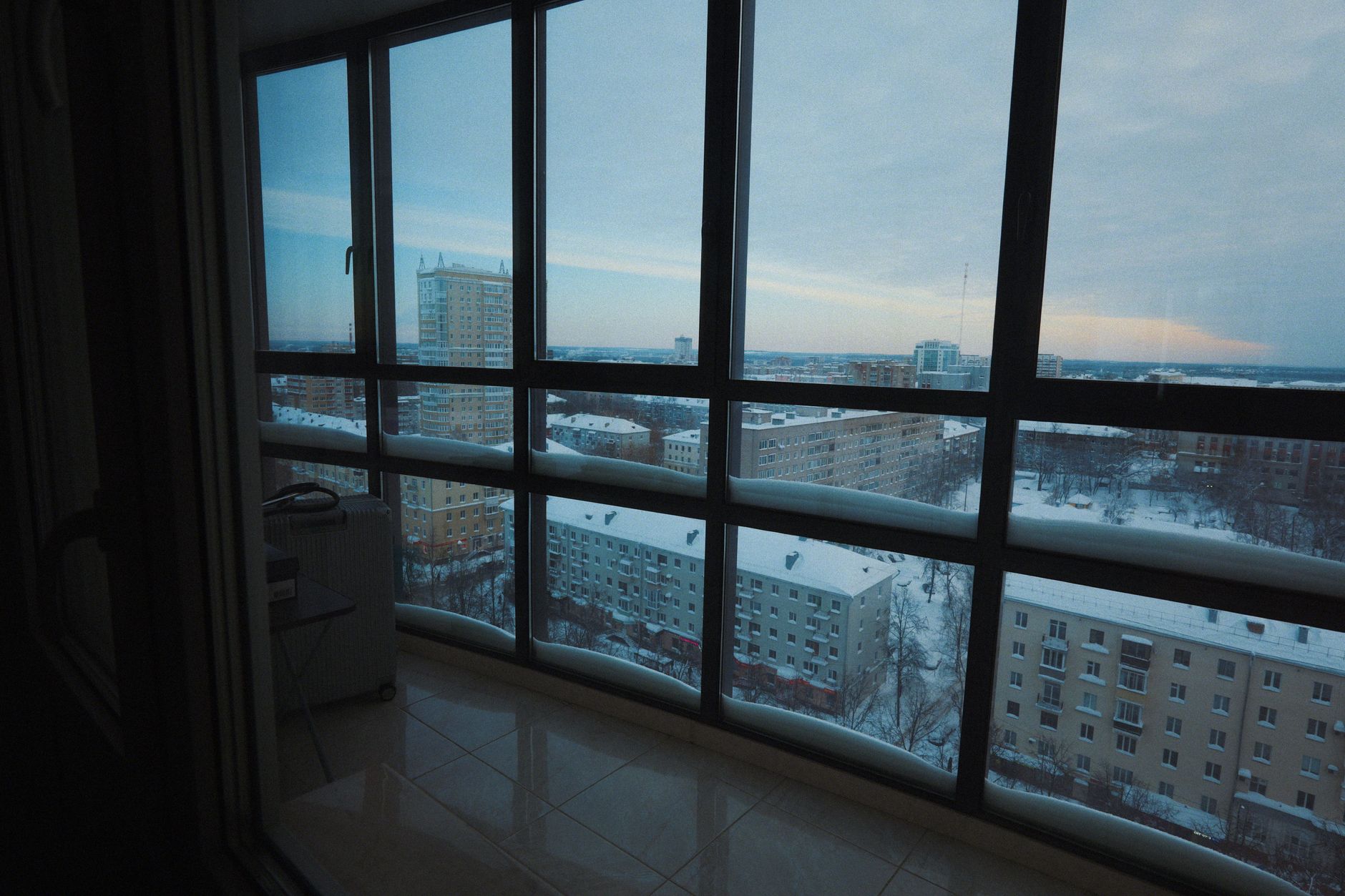
The balcony rail gets wiped, the top of the cupboard gets dusted, and the gap behind the fridge stops pretending it is not there. The room airs out in December cold, and the whole apartment smells like clean water and bare floors.
Most weeks, cleaning here is small and constant — the entryway swept, the bath wiped after use, the rubbish out on the right day. Osouji is different. It is the cleaning that moves the furniture.
The word itself is frank. Oso means big, and souji means cleaning. There is nothing delicate about it. It is the one time of year when the home gets handled as a whole.
It is not spring cleaning, though the scale is similar. Back home, spring cleaning had a season attached to it. Osouji has a deadline. The difference matters, because the date is what makes it happen.
The Surfaces Only This Clean Touches
There are parts of a home that ordinary cleaning skips. The top of the kitchen cupboard. The rail behind the balcony door. The space under the washing machine, if the machine can be shifted at all.
Once a year, these places get their turn. In an apartment like mine, the balcony is the only outside surface there is, so the rail and the drain get a proper scrub. It is not about making the place look nice. It is about reaching the parts that the rest of the year ignores.
The fridge gets pulled out, if it can be, and for a moment there is a line of dust shaped exactly like the fridge. The top of a cupboard tells the truth about how long it has been since anyone looked.
The kotatsu cover comes off too, washed or aired before the table goes back under the heated blanket. The window tracks get the dust dug out with a skewer or an old toothbrush. A friend of mine hoovers the top of the refrigerator, which I would never have thought to do.
Some homes do this in a weekend. Others spread it across three. The surfaces are the same either way; only the pace changes. Around here, it comes down to how many people are in the house. And whether anyone thinks to look on top of the fridge.
The Timing Is the Spine
Osouji runs through December, but it belongs to the fortnight before the New Year. The 13th marks the traditional start. According to the Seattle Japanese Garden, December 13 became the traditional Susuharai day in Edo, now Tokyo.
The deadline is New Year’s Eve. Everything finishes by then, because the next day is for the new year, not for the old dust. Nobody I know wants to start January with a mop in hand.
There is a practical side to the timing. The air is cold but dry, so windows dry without streaks and bedding airs out quickly. That part is ordinary. The calendar simply makes sure it happens.
How the Work Divides
In a household, the work usually divides by room or by task. One person takes the windows, another the bathroom, a third the kitchen. Where I live, the conversation is shorter than the to-do list.
The notice for the shared stairwell goes up in the building around mid-December, with the date and the time. Most flats send someone down. It is quick, but it is not optional in the way a private clean is.
Workplaces and schools do their own version. The building gets cleaned by the people who use it, not only by a hired crew. At my office, it is a half-day of shared work followed by tea. The desks get pulled out, the floor under the desks gets wiped, and the windowsills get dusted.
Some households hire a cleaner for the parts they cannot face. A professional service handles the high windows or the heavy furniture. That is not unusual; it is just one way to make the deadline.
Children are usually given a task they can finish. That might be wiping the low shelves or sorting the rubbish under the sink. The point is not rigid division. It is that everyone touches the same house once before the year turns.
The Older Reason
The Seattle Japanese Garden traces the tradition to the Heian period, when it began as a court event called Susuharai — an annual cleaning away of soot and dust. The same article reports that, back then, a main reason was to drive evil spirits away from the court and welcome Toshigami-sama, the Shinto New Year’s deity.
The same Seattle Japanese Garden article also says that, during the Edo period, common people adopted the custom and made the big cleaning a first activity of New Year preparation. Homes were thoroughly cleaned before being decorated with kadomatsu and shimenawa to welcome Toshigami-sama.
The cleaning covered castles, lordly residences, temples, shrines, stores, and houses, according to the same source. That breadth is the surprising part. A court ritual did not stay at court. It became a shared end-of-year habit.
At many merchant stores, after the cleaning was done, owners and workers tossed each other into the air to celebrate. Then the owners served mochi, and everyone bathed to wash off the soot and dust. I would not have believed that detail without a named source. It is in the Seattle Japanese Garden piece, and it is the one bit I still think about.
Most people I know would not mention spirits now. They would say the New Year is when the house gets particular company. The airing and the shifting are part of getting ready for that.
How Much People Actually Do
The practice varies more than the name suggests. A household with a full schedule does it over a weekend. One with children might spread it over three. A flat with only a balcony for outside space does not have a yard to sweep, so osouji shrinks to the rooms and that one rail.
Some people do almost none of it and say so. A friend in Osaka told me her family opens the windows, wipes the floor, and calls it done. I have also seen neighbours spend an entire day on the shared stairwell.
A family with a newborn may skip the balcony entirely. A single person in a six-mat flat can finish in an afternoon. The cleaning scales to the home, not to a standard.
The kotatsu is the warmest place in the flat by January, and the cold walls around it are a separate problem. That is a different article, but the clean and the cold meet for one afternoon in December.
This is not a claim that Japanese households clean more thoroughly than anyone else. It is just a calendar habit. The same apartment that gets a deep clean in late December might go untouched in August.
What stays with me is the smell. Cold air, wet floors, and a place that finally had everything moved. The clean is the last ordinary thing before the New Year, and the timing is the point of it.
References
- Seattle Japanese Garden, “Oosoji (大掃除), Japanese Big Year-End-Cleaning” (December 13, 2022) — historical context for the Susuharai origin, the December 13 date, the Edo-period adoption, and the merchant celebration.