
The Suitcase in the Transfer
You have forty minutes between trains. A suitcase sits at your feet. The next train is not your destination. You want to see a temple, eat lunch, or just walk. The bag has to go somewhere. There is no left-luggage desk. What you find instead is a wall of metal doors: Japanese coin lockers, stacked in rows.
What a Coin Locker Actually Is
In Japanese, it is a coin locker (コインロッカー, koin rokkā). The name is literal. You put money in, and a door locks behind your things. A small one fits a shoulder bag. The largest takes a full suitcase. The first ones appeared at Shinjuku Station in 1964, according to the maker that installed them.
Why the Station Is the Natural Home
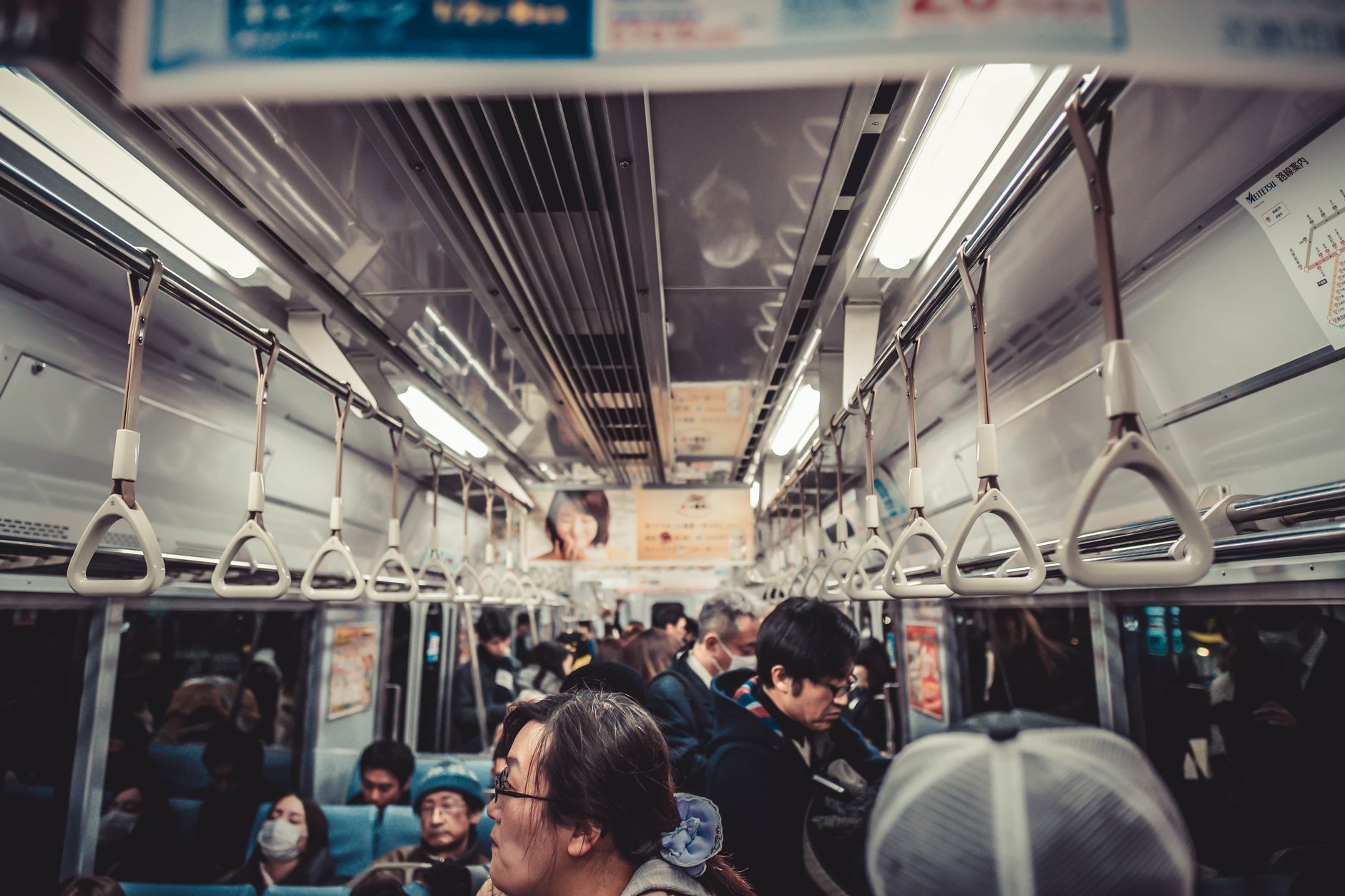
A station exists to move people. It is not a place to hold their bags. The locker sits in the gap between arriving and leaving. The same way a konbini covers the gap between home and office, a locker covers the gap between trains. It is an ordinary piece of infrastructure that nobody notices until it is missing.
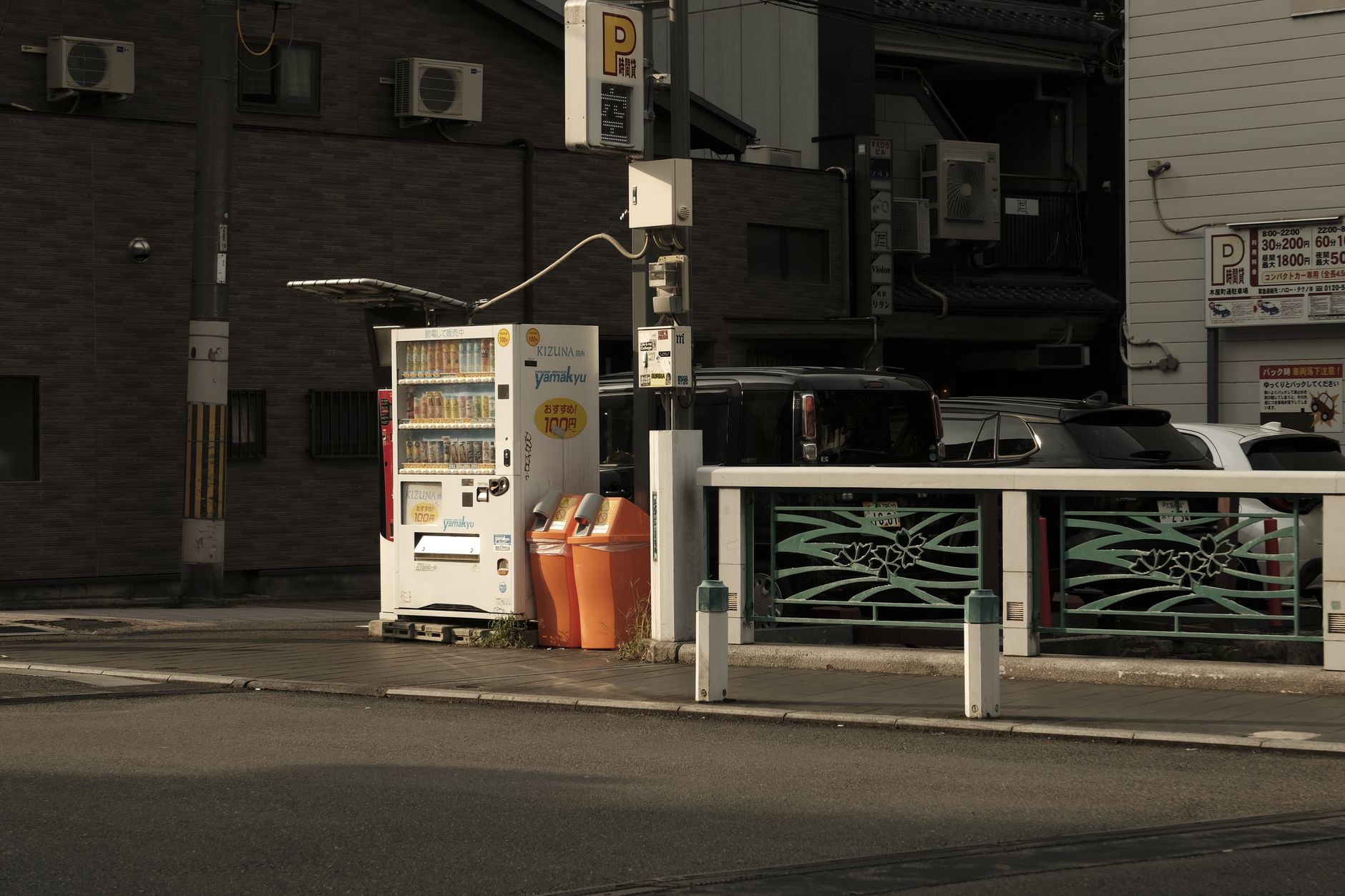
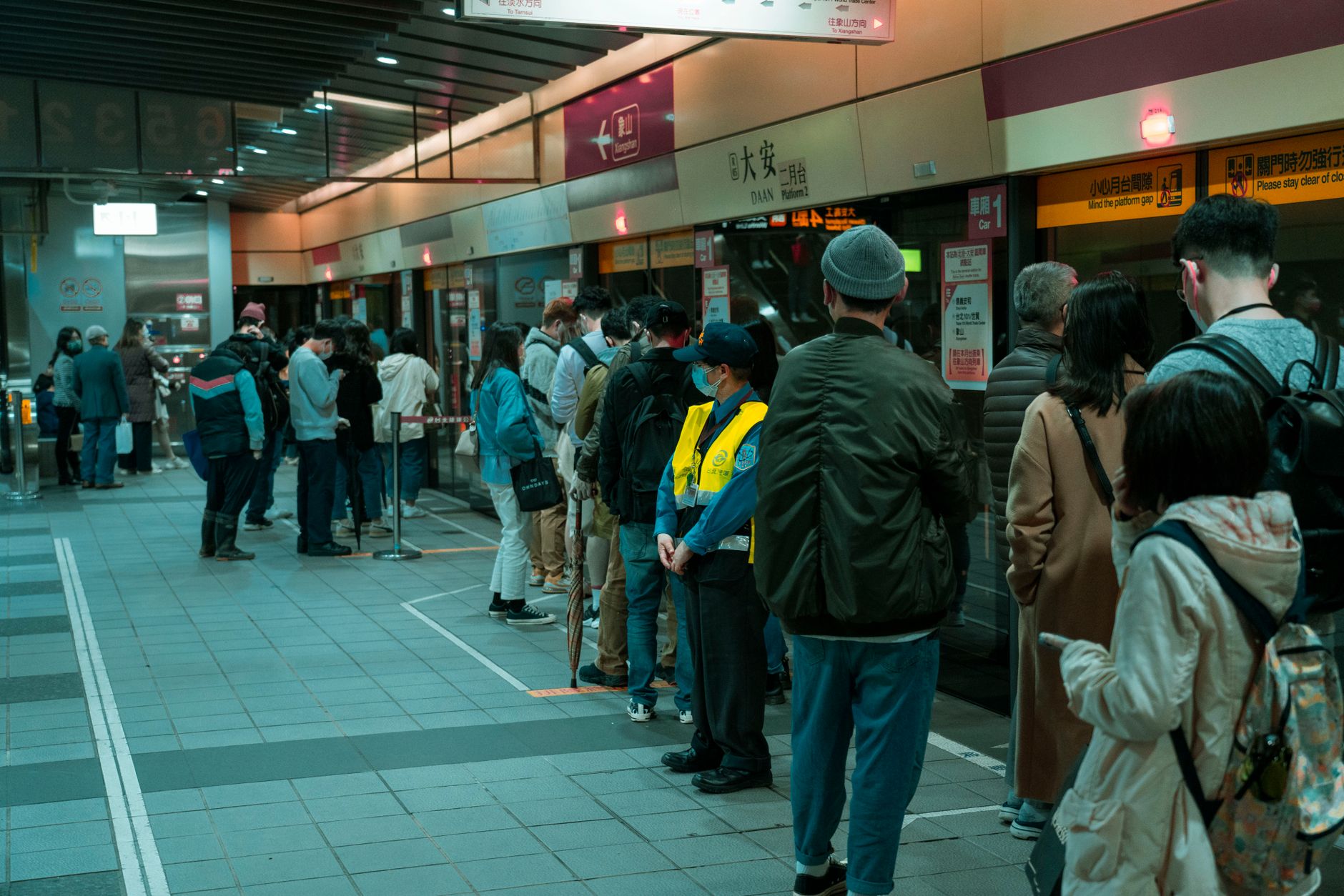
Lockers are cousins to vending machines. Both are coin-operated furniture in public passages. Both do a small job without a person behind a counter. A big station can feel like a small city at rush hour. The lockers are part of why it still works.
What You Find in Practice
At any moderate-sized station, rows of lockers sit along a wall or under a stair. They come in three or four sizes. The largest holds a full suitcase. Prices run from a few hundred yen to around a thousand. Most people only need a few hours. That keeps the math simple.
The fine print matters. You are usually charged by calendar day, not by a full twenty-four hours. Use a locker at 11 p.m. and pick it up at 8 a.m. That counts as two days. An overnight stay costs two days. I did not know that the first time. It is a small thing that surprises people.
Most lockers now accept IC transit cards instead of coins. The card itself can become the key. You tap it to open the door. No paper slip to lose. No coin to fish out of a pocket. That changed the whole feel of using one. The system just remembers you.
The lockers are not long-term storage. Most are kept for three days at most. After that, staff remove the contents and hold them at a station office. You pay the accumulated fee when you come back. The bag is not lost. It just starts collecting rent.
What It Looks Like in Ordinary Life
In the station near me, the lockers sit under the stairs by the west exit. Commuters pass them without looking. A student stuffs a gym bag in the morning. A traveler drags a suitcase over at noon. The doors open, close, and hum. Nobody supervises. The system just runs.
At lunch, the lockers fill up, then empty out by evening. The pattern repeats every day. It is not dramatic. That is the point. The locker does one job so quietly that people stop noticing it entirely.
How It Started
The first coin-operated lockers in Japan went in at Shinjuku Station on December 15, 1964. They stood on the basement floor, according to Alpha Locker System, the company that installed them. It was the same year as the Tokyo Olympics.
For a while, the lockers did not exist everywhere. Alpha Locker’s own history says they began spreading nationwide only after several stops. They were installed at pools, ski resorts, and Osaka Expo venues. That pattern surprises people. The station locker had to prove itself in unexpected places.
Then came the SUICA lockers. In 2005, Alpha Locker began selling a new kind of locker. It was the first in Japan to accept SUICA for payment and use the card itself as the key. That opened a new market tied to e-money at stations. It also removed the last physical piece you could lose.
The same manufacturer began making delivery boxes for apartments in 1992. That is a separate product line. Station lockers hold a bag for a few hours. Apartment delivery boxes hold parcels when nobody is home. The two often get confused, but they solve different problems.
The Small Daily Negotiation
American train stations rarely have walls of coin lockers. A traveler there often carries a suitcase into lunch or pays a staffed desk. In most Japanese stations I use, the locker is the default. Nobody thinks twice about it.
A station without lockers would push every bag onto platforms and restaurant seats. It would work the way a city without public restrooms works. People would manage, but the friction would show. The locker removes a small daily negotiation.
There is a whole layer of the city like this. A coin laundry handles the wash you cannot carry home. A convenience store handles the errand you cannot reach a shop for. A coin locker handles the bag you cannot carry into lunch. Each one is small. Together they keep the day moving.
The lockers are not complicated. You put a bag in. You come back. You pay a few hundred yen. The city runs on that kind of small, uncelebrated storage. It is not a tourist service. It is a pause in the middle of a journey.
Frequently Asked Questions
Are coin lockers safe?
For the most part, yes. They sit in busy, watched areas. The real risk is forgetting which locker you used, not someone forcing the door.
Can I leave a bag overnight?
You can, for up to three days at most. Remember that many lockers charge by calendar day. An overnight stay usually costs two days.
Do coin lockers accept credit cards?
Most now take IC transit cards like SUICA. The card also works as a transit pass, so it is the simplest option. A transit card becomes the key.
References
- Alpha Locker System Co., Ltd., company history page. Used for Japan’s first coin lockers at Shinjuku Station in 1964, the first SUICA lockers in 2005, and the separate apartment delivery box line. https://alpha-locker.com/en/about/history/
- Japan Culture Navi (Harada Eigo). Used for locker sizes, typical prices, calendar-day charging, IC card use, and the three-day removal limit. https://www.haradaeigo.com/japanese-culture/en/coin-locker