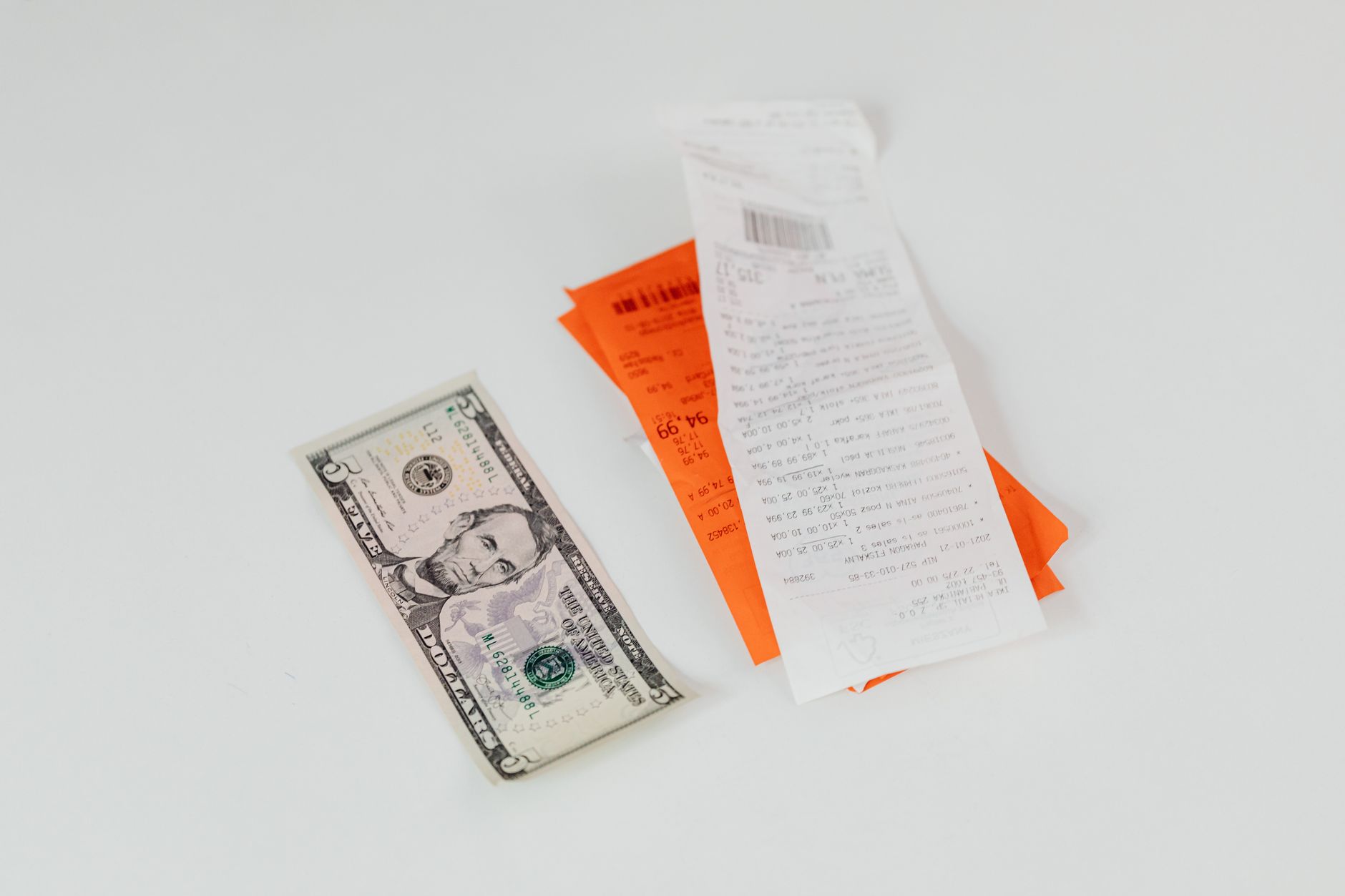

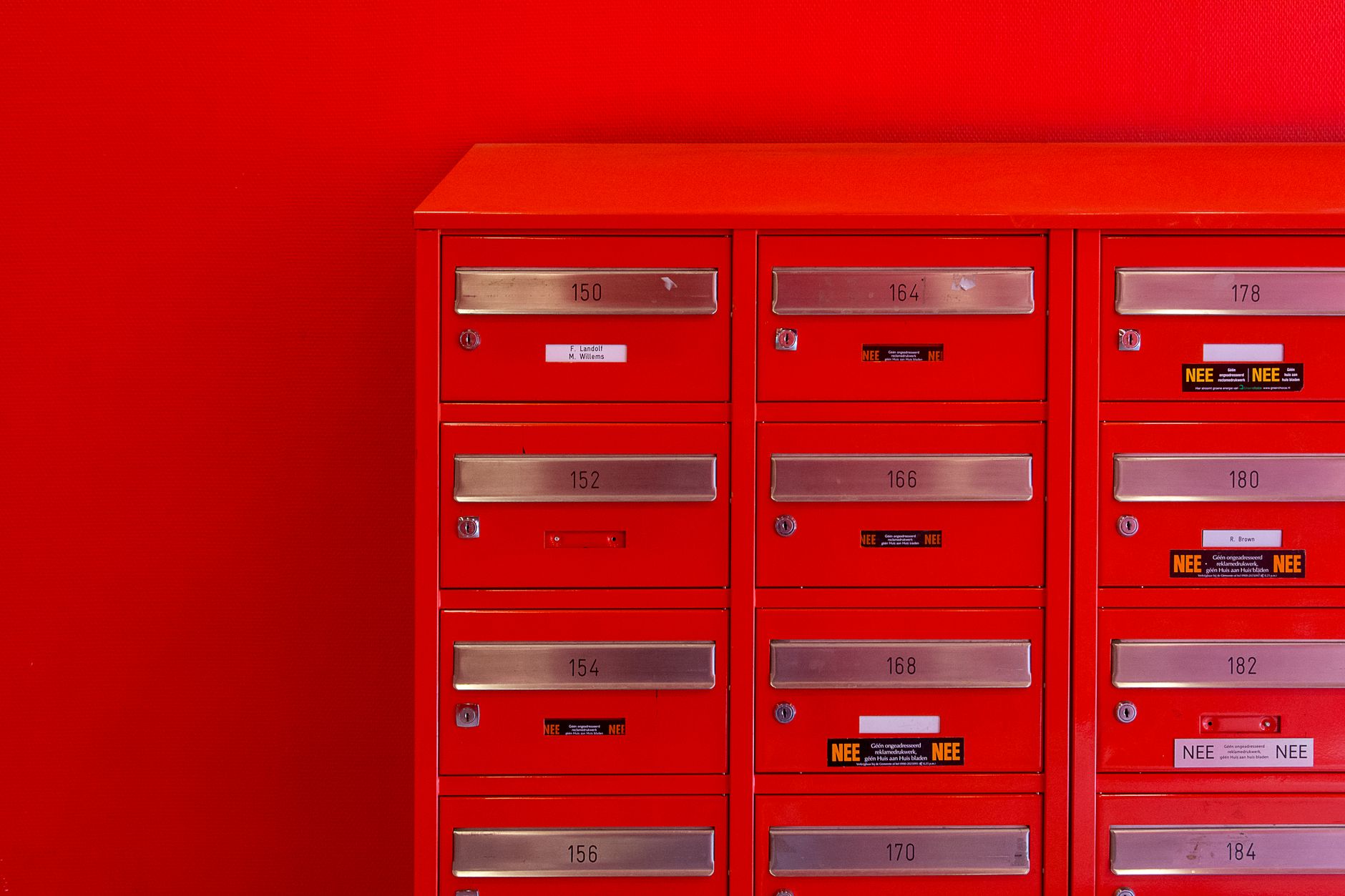
The first time a parcel comes, there is often no knock. A slip waits in the letterbox, half-covered by a supermarket flyer. It says a delivery arrived while the apartment was empty. Below that is a number, a row of time windows, and the carrier’s mark.
What Takkyubin Is
Takkyubin is the brand name for Yamato Transport’s domestic parcel service. Where I live, people use the word the way I would once have said “UPS” at home. The parcel side is not the postal service. The company behind it, Yamato Transport, runs the delivery.
Yamato began door-to-door takkyubin in January 1976. A message from the company’s president is dated April 1, 2026. It marks January 20 of that year as the 50th anniversary. The president says the service began with 11 packages in 1976. I think about that detail when a truck idles outside. A service that now reaches my building began with 11 packages.
From what I have seen, takkyubin carries luggage, boxes of food, documents, and anything too large for a mailbox. For many households in my part of Osaka, it is the usual way. It moves something when the thing is too big for an envelope. It is ordinary logistics, not a special shipment.
A typical send begins with a box and a label. The staff at a counter measures the box and prints the label. The label carries the sender’s phone number and the delivery window. That phone number is the one a courier calls if the first delivery misses.
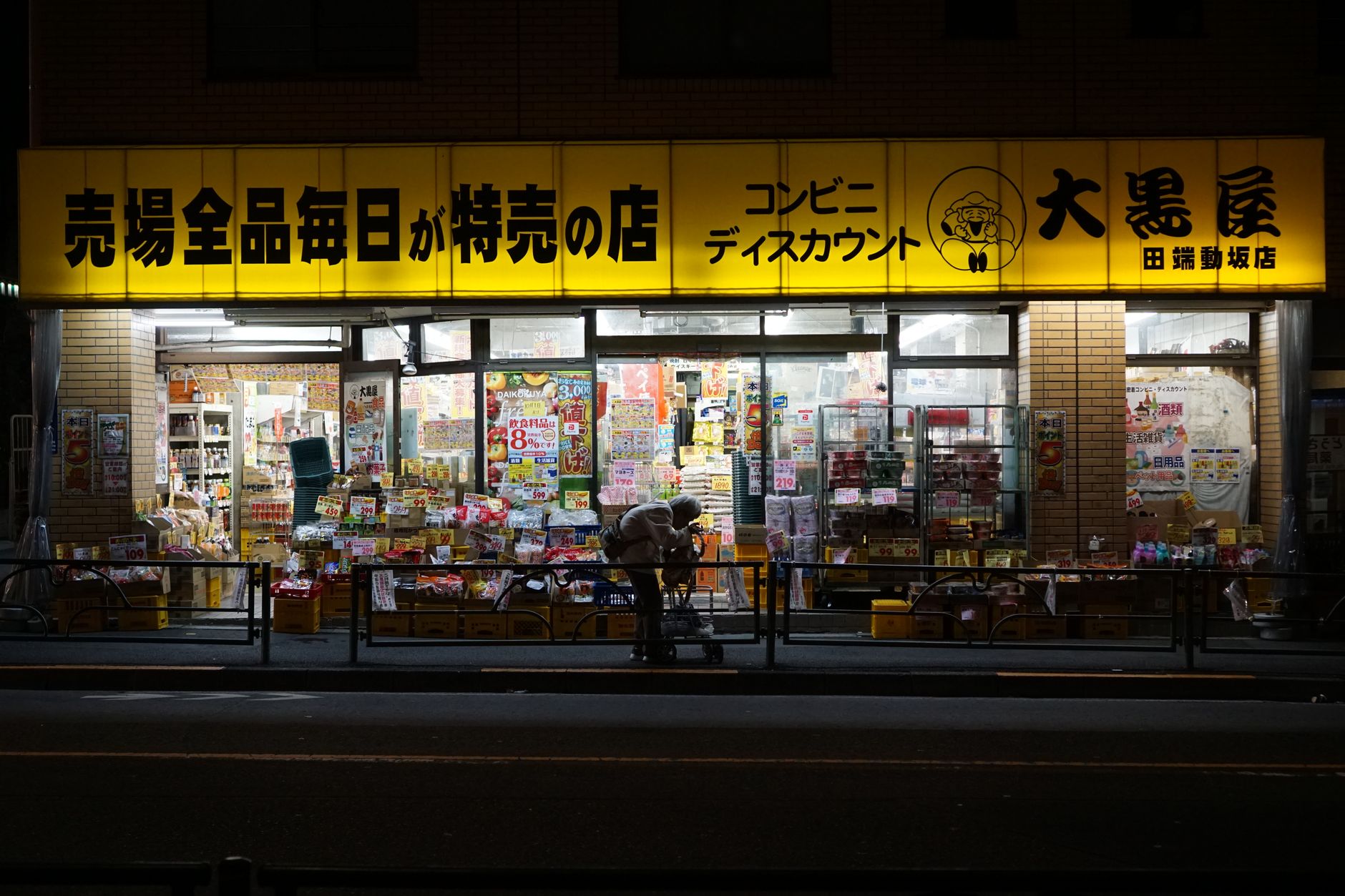
Yamato lists collection and delivery points that include homes, apartments, hotels, business offices, airports, konbini, and small local Yamato depots. The konbini part took me the longest to notice. A konbini near my apartment takes parcels at the counter and handles the label. That was a different job from the convenience stores where I grew up, which sold snacks and gas.
When Nobody Is Home
A redelivery slip is the usual sign that a courier stopped by. In my apartment building, parcels arrive in waves, and most of the time nobody is there to meet them. The slip gives the phone number listed on the delivery form and a set of possible time windows.
The choice is not a vague “tomorrow.” A Kanpai Japan guide updated in 2020 lists six slots for the following day. They are before midday, midday to 2pm, 2pm to 4pm, 4pm to 6pm, 6pm to 8pm, and 8pm to 9pm. With windows like those, I was not expected to stay home all day. The system assumes people are out.
If a delivery finds no one home, Yamato says the courier contacts the phone number on the delivery form. The courier arranges a new appointment, or returns later the same day. With Yamato, the process repeats until someone is home. In practice, the slip does most of that work. It carries the number a resident calls to pick a window.
The slip is not the only route. A parcel can be held at a nearby konbini counter while the resident is out. That is one more reason the konbini network matters for delivery.
The cost of sending depends on size and distance. A full-size suitcase from Tokyo to Kansai was listed at ¥1,890. The Kanpai Japan page carrying that figure was updated October 28, 2020. I treat that figure as dated, not current. The service keeps moving regardless.
Where I grew up, a missed delivery meant a note on the door and a trip to a post office. The slip here is less a dead end and more a menu.
Japan Post and the Address System
The part of the system I use for letters and small parcels is Japan Post. It runs the ordinary mail service, separate from Yamato’s takkyubin. A letter with a stamp goes into a post box, and it arrives without a delivery window.
Addresses I have written here commonly run from large to small: prefecture, city, ward or district, block, building, room number. The addresses I grew up with started with the street and number, then added city and state. That ordering takes a while to stop feeling backwards.
In the neighborhoods I use, street names are less central than block numbers. Many corners have a map sign with block numbers arranged around it. A visitor can stand in front of the right block and still not see a street sign. The address points to an area, not a road.
That difference shapes how the two systems feel on foot. The version I grew up with centers the road. The version here centers the block. Neither one is more correct; each starts from a different assumption.
An address form here usually has separate spaces for the postal code, the prefecture, and the rest. The order of those spaces shows which part matters first. The building name and the room number come after the block.
There is no need to pick a redelivery window for a letter. Letters wait in the box. Parcels often need a handover, so they leave a slip and begin the redelivery process. The same building holds both systems at once: a mailbox for Japan Post, a doorbell for Yamato. The convenience stores where I grew up were never part of that loop. Here, a shop on the corner can take a parcel, and the mailbox carries the paper side.
References
- Kanpai Japan, “Takkyubin: Sending Luggage” — service operator, 1976 launch, delivery time slots, collection points, and the ¥1,890 suitcase figure as of October 28, 2020.
- Yamato Transport Co., Ltd., corporate president’s message dated April 1, 2026 — 50th anniversary and the 11-package start.