

The Counter That Does Three Jobs at Once
Somebody paid a water bill, handed over a package, and bought a hot coffee at the same register. It took under a minute. It looked like a corner shop. It worked like a small office. That was the Japanese convenience store vs American difference, and it showed up before I had a word for it. Where I grew up, those are three separate counters in three separate buildings. Nobody in line looked surprised, which told me this was normal. A store this small held all of it.
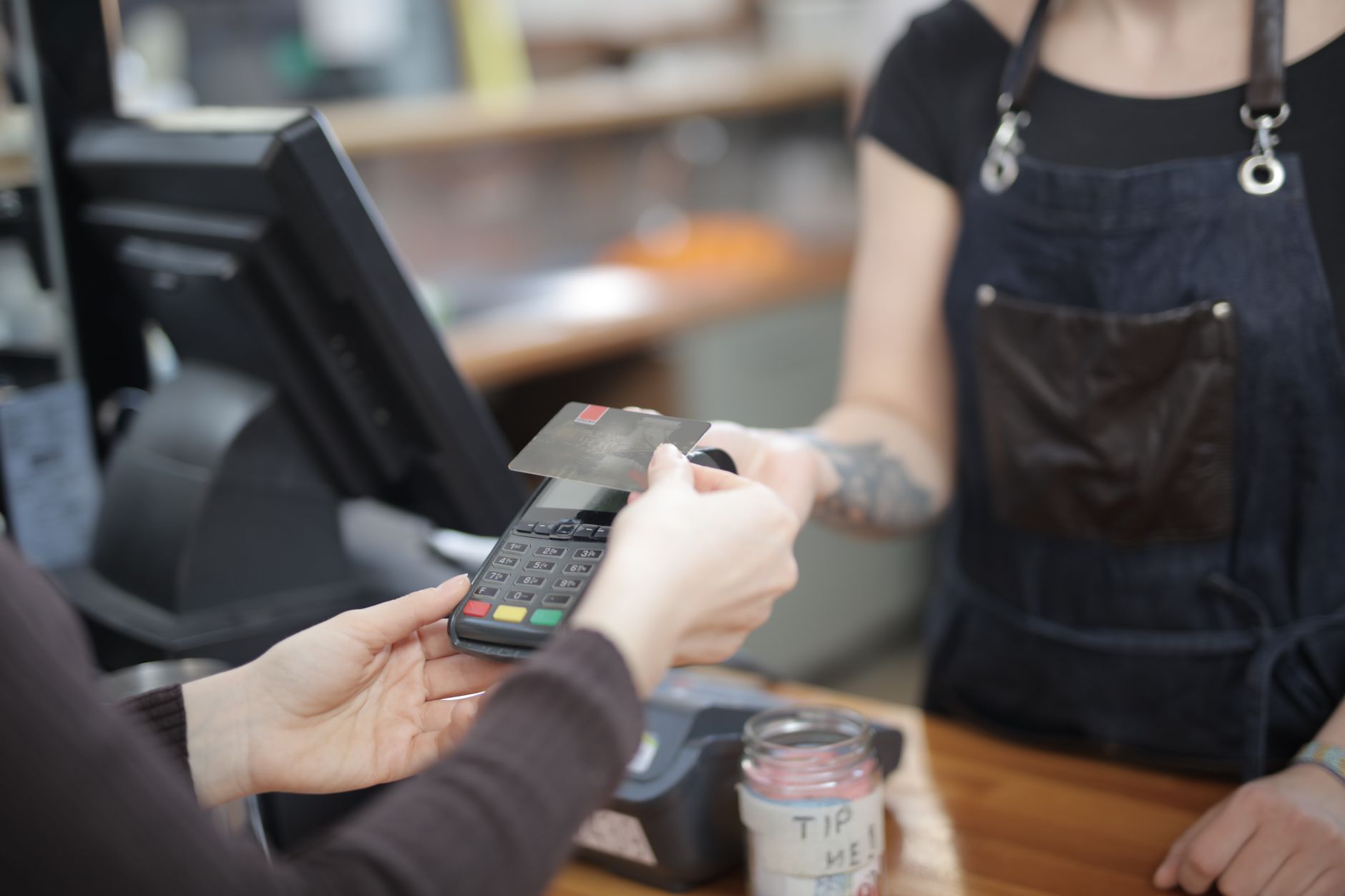
The same counter takes parcel drop-offs, concert ticket printing, and utility bill payments. A small plastic tray sits between you and the clerk. The register screen faces both directions. Nobody announces any of it. The line just moves. It handles all of them without a separate desk. There is no sign saying “services” anywhere. The clerk does not leave the till.
What It Is, and What It Is Called
A convenience store here is called a konbini (コンビニ). The name is a shortened loanword. It covers 7-Eleven, Lawson, FamilyMart, and a few smaller chains. The 7-Eleven name looks familiar, but these shops are not a copy of the ones back home. There are three within a ten-minute walk of my apartment. The nearest one is closer than the post office.
A konbini is not a destination. It is a place you cross on the way to somewhere else. The point is that it sits close. The point is also that it stays open. Those two things matter more than the floor space. That is why the area near the door stays clear for people in a hurry.
The Food Goes From Breakfast to Midnight
The prepared food case changes through the day. In the morning it holds rice balls, sandwiches, and small cartons of coffee. By noon the breakfast items sell down. Lunch boxes and hot fried foods take their place. Late evening shifts again, toward single-serve dinners. The staff restock the case more than once a shift. A clerk pulls items nearing their sell-by time and marks them down.
The food is built around meals, not just snacks. A lunch box contains rice, a main item, and something pickled. It is meant to be eaten as lunch. The hot case next to the register fills at certain hours. You can smell it before you see it. A fryer sits behind the counter at some chains. Hot food is cooked in small batches. The smell pulls customers in from the street.
The coffee machine sits along the wall. It grinds beans per cup. A customer taps the screen, waits, and seals the lid. There is no separate café counter. The same register rings it up. It costs a few hundred yen. The cup fits a car holder.
The Counter Is a Service Desk, Not Just a Checkout
At a big chain, the register can print a concert ticket, accept a delivery pickup code, and take a parcel. You can also pay a gas bill or reserve a bus seat. The clerk flips between tasks without leaving the till. The parcel goes through the same till as the coffee. The clerk weighs it and prints a label.
There is a small machine near the door for copying, faxing, and printing. It is not a separate counter. You do it yourself. The clerk only gets involved if the machine refuses your card. Most people do not use it often. The machine takes coins and a card. It prints in color if you choose it.
The range shrinks outside cities. A small-town store may not handle parcel pickup or sell long-distance bus tickets. The core counter jobs stay: payments, photocopying, and ordinary checkout. Even those can vary by chain. It depends on what the franchise office offers. Some stores also hold clean toilets and a baby-changing shelf. Others keep a fax machine next to the printer.
The counter works as a wall between the customer and the stock. The clerk can face both directions. A small screen shows the total. You confirm with a button or a tap. The receipt prints with a survey code. Nobody asks you to fill it out.
Open at Hours a Shop Has No Business Being Open
Many of these places stay open all night. The store near my apartment is lit at 3 a.m. A shop this small back home would close by ten. Here the ice machine hums and the register stays on. It feels less like retail and more like a utility. The same store sells a hot snack at 2 a.m. You can pay a bill at midnight.
Not every store keeps the same hours. A few near train stations close for a stretch before the first train. Rural stores may shut at eleven. The older assumption that a konbini never closes is no longer true everywhere. That shift has come gradually. A store beside a small station may open before the first train and close after the last.
The late hours serve people with odd shifts. A nurse leaves the hospital at 11 p.m. and buys a rice ball. A taxi driver parks outside and gets a coffee. The store does not treat them as exceptions. That is the whole point.
The night shift restocks the shelves. A worker cuts open boxes and fills the drinks wall. The store is quiet except for the hum and the occasional customer. It feels more like a pantry than a shop. A man buys a newspaper and a can of coffee.
The Small Markers You Stop Noticing
There is usually no trash bin by the door. You finish a drink and carry the empty bottle. You look for a bin. The bin is outside, near the ice machine or the ATM. Sometimes there is only a recycling rack. The store expects you to sort it. The bottle goes into a clear slot or a colored bin. A staff member empties it later.
Some stores keep a restroom at the back. The door is often plain and unmarked. You ask at the counter, and the clerk points or waves. That is the whole routine. No sign announces it from the sales floor. Once you know, you stop thinking about it. A staff member nods toward it when you ask. The store does not advertise the restroom.
The cash tray is a small plastic dish on the counter. You put coins in the tray. The clerk picks it up, counts, and sets the change back in the same spot. Nobody explains it. After the first few times, it feels normal. Coins never pass directly from hand to hand. The clerk prints a receipt and places it beside the dish.
The staff speak on autopilot. A customer enters and someone calls a set greeting. At the register, the phrases repeat almost without variation. None of it is personal, and none of it needs to be. It is the store’s voice, not the clerk’s. The same greeting plays every time the door opens. The register has a script for loyalty points and age checks.
There is no seating in most stores. A narrow counter runs along the front window. Customers stand there, eat, and watch the street. In summer the doors stay open. No one treats it as strange. It is part of how the space works.
Everything Turns Over With the Season
The shelves are not static. A drink that was everywhere in March disappears by June. Cold noodles and chilled desserts push to the front in summer. Sweet potato and hot broth items arrive in autumn. Winter brings steaming oden near the register. Seasonal shelf tags appear near the door. The store shifts its layout to match. The same shelf holds a different product every few weeks.
Every chain runs short runs. A chocolate bar gets a seasonal wrapper. A tea comes out in a cherry blossom bottle. The turnover feels faster than the calendar. Some people chase these items. Most of us notice after the fact. The limited runs are part of the draw. The short runs rarely repeat. A discontinued flavor becomes a small piece of local news among regulars.
The cold case changes with the weather. A clear tea appears in May. A hot can of corn soup appears in December. The machine in the corner warms cans all day. It hums near the register. People buy one without thinking.
Variations Between Chains and Places
The three big chains each have their own house flavors and point cards. A Lawson register looks different from a FamilyMart one. The layout of the drinks wall is not identical. The routine at the counter stays close. You can still pay a bill at any of them.
A store inside a train station is smaller and busier. It leans on drinks, wrapped food, and fast checkout. A suburban store has more floor space, so it carries socks, batteries, and a small set of toiletries. The service desk may be the same, but the stock is not.
Rural stores carry fewer services. Some do not have a photocopier or a restroom. The hours shrink in quiet areas. A store on a small island may have one clerk and a single register. It still sells hot food and cold drinks.
A small independent shop may sit down the street from a chain store. It offers a shorter list of services and older shelves. People still stop in for ice cream or a cold drink. The big chains do not erase it.