Skip to content
Living
Food & Drink
Out & About
Customs
Communication
Money & Admin
Work
Living
Food & Drink
Out & About
Customs
Communication
Money & Admin
Work
The Japanese Home
Home
The Japanese Home
Everyday Japan. Everything Japan.
Living
October 17, 2026
1K, 2LDK: How Japanese Apartments Are Described
What do 1K and 2LDK mean? The number counts bedrooms, while K, DK, and LDK describe shared space on a rental floor plan.
Living
October 16, 2026
Sleeping on a Futon: What the Everyday Version Actually Looks Like
What does a Japanese futon look like day to day? See how it folds into an oshiire, airs out, and turns one Osaka room back into a living space.
Living
October 16, 2026
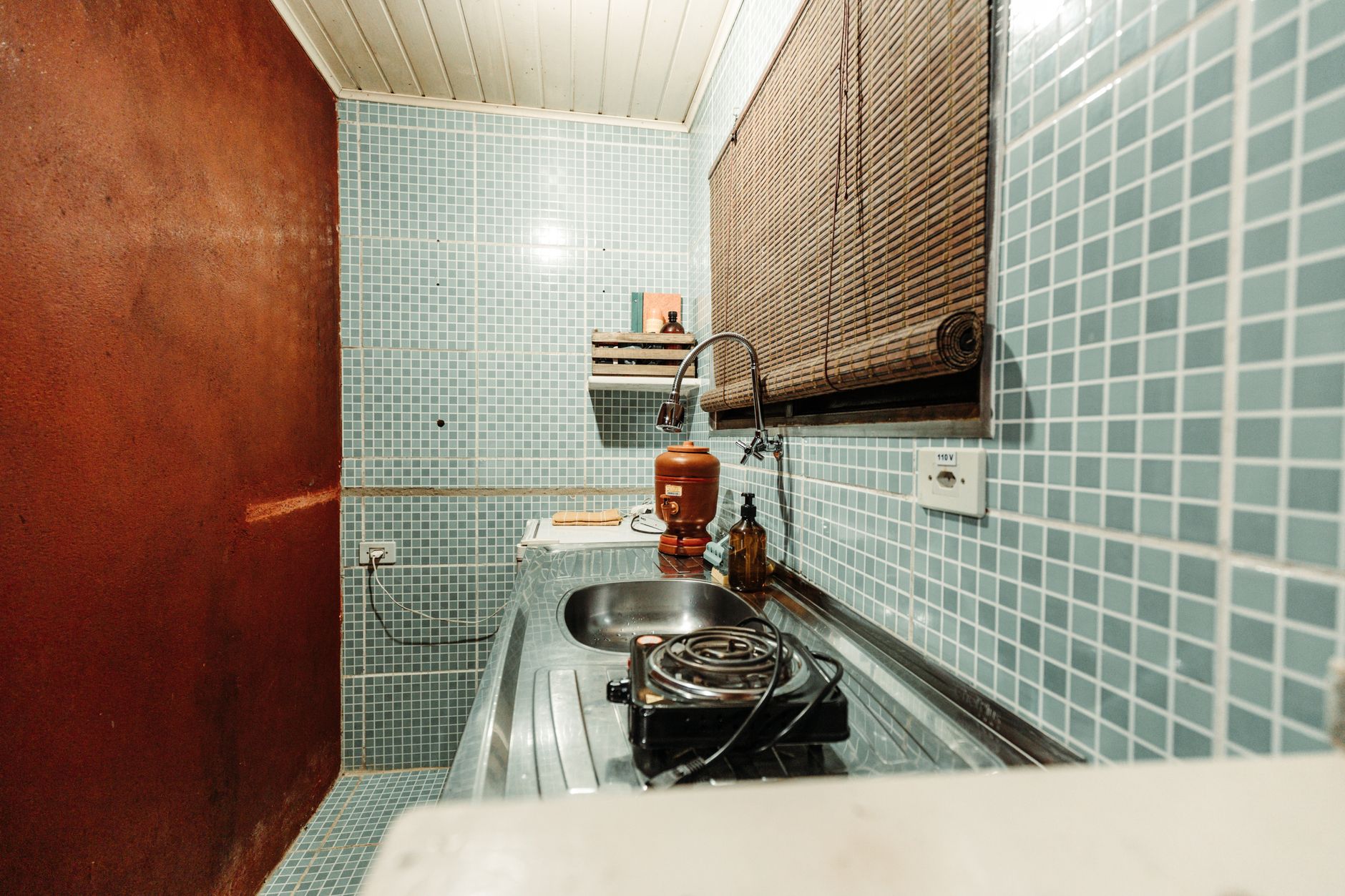
What a Japanese Kitchen Looks Like in an Ordinary Apartment
What does a Japanese kitchen look like? A single-line counter, two-burner hob, fish grill, and washing machine fit into an ordinary flat.
Living
October 16, 2026
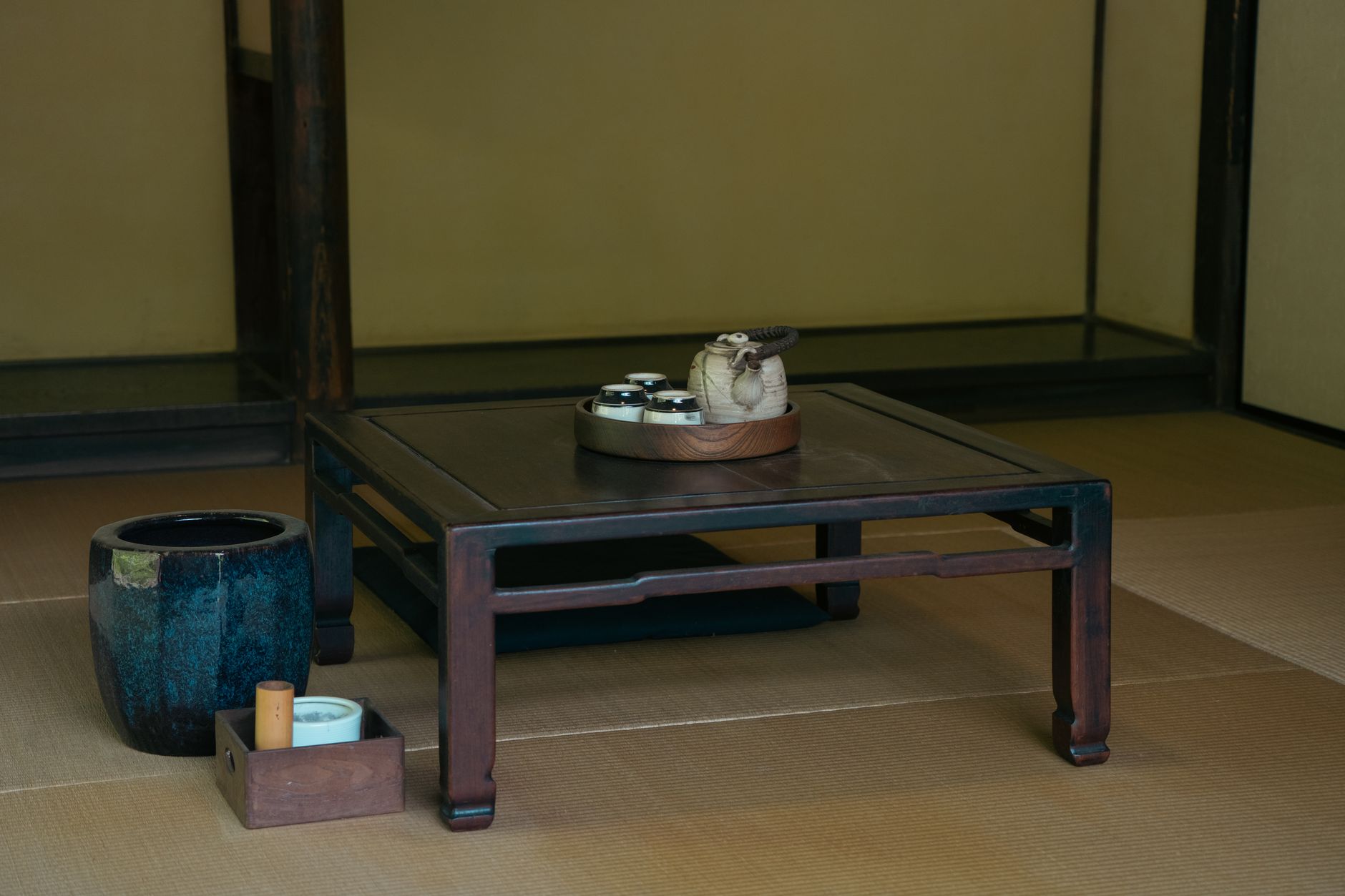
Why Japanese Homes Sit Low: Tables, Cushions and Floor Living
Why is the table only knee-high? A Japanese low table, zabuton cushions, and a folding room layout let one space shift from dinner to sleep.
Living
October 16, 2026
Tatami Rooms: What They Are and Why Floors Are Measured in Mats
What does a six-tatami room mean? See how mat layouts, regional sizes, and furniture shape the way Japanese apartments are measured.
Living
October 14, 2026
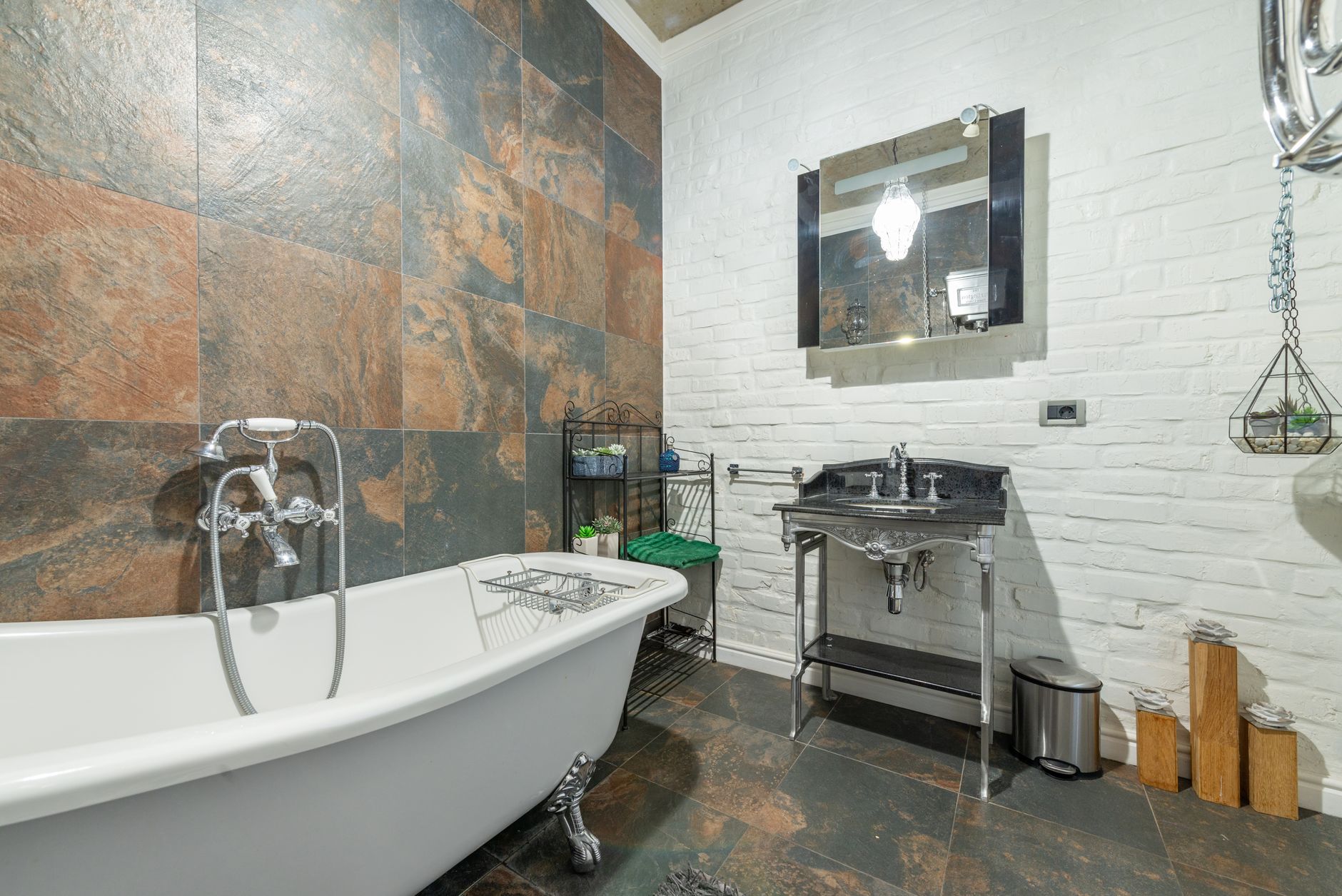
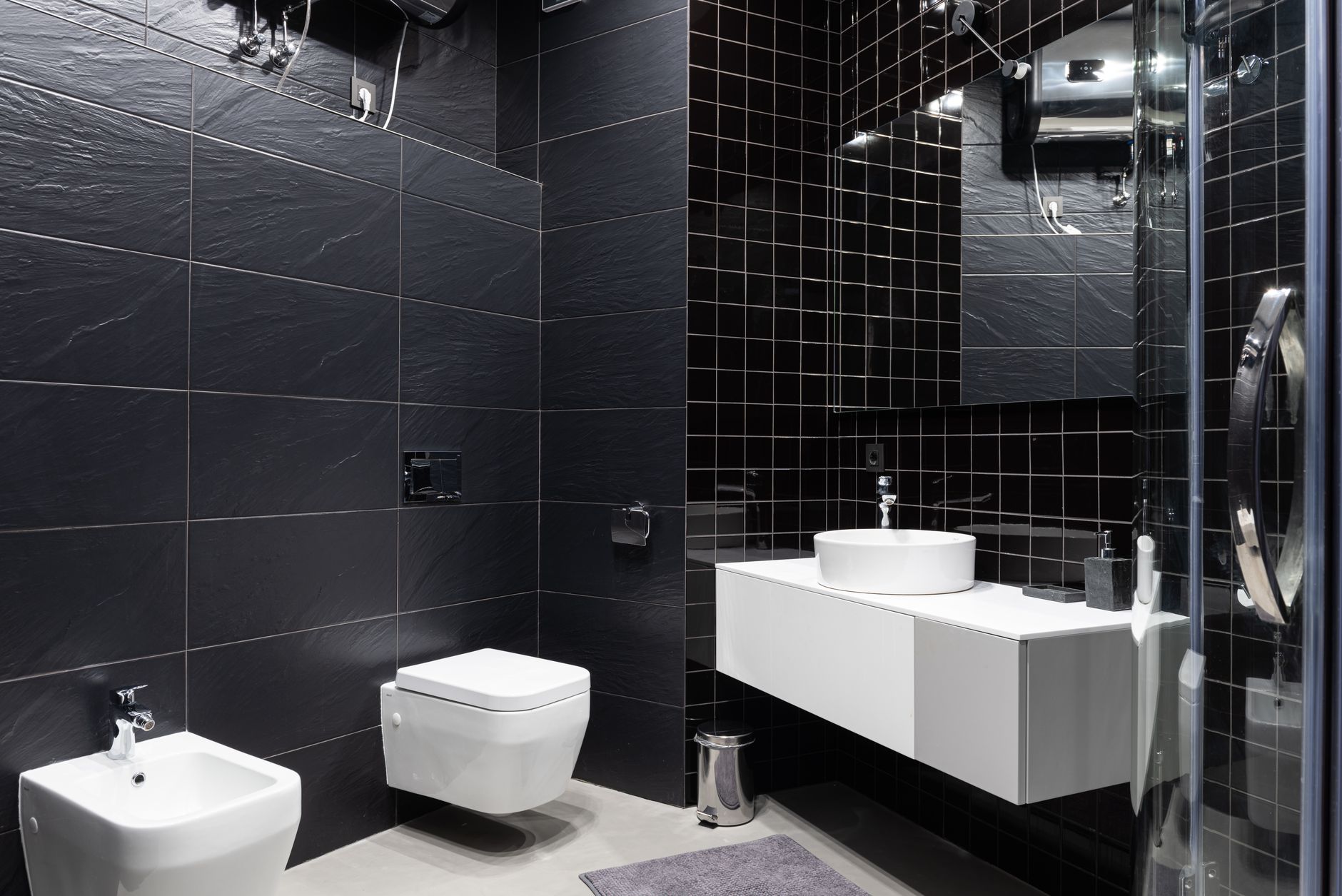
Why a Japanese Bath and Toilet Are in Separate Rooms
Why are the bath and toilet separate? A wet-room shower, shared soaking tub, and sink that refills the toilet tank show how the layout works.
Living
October 13, 2026
Japanese Toilets and Washlets, Explained: What the Buttons Do
What do the buttons on a Japanese toilet do? This guide explains rear and front wash, pressure, seat heat, the dryer, and the stop button.
Living
October 10, 2026
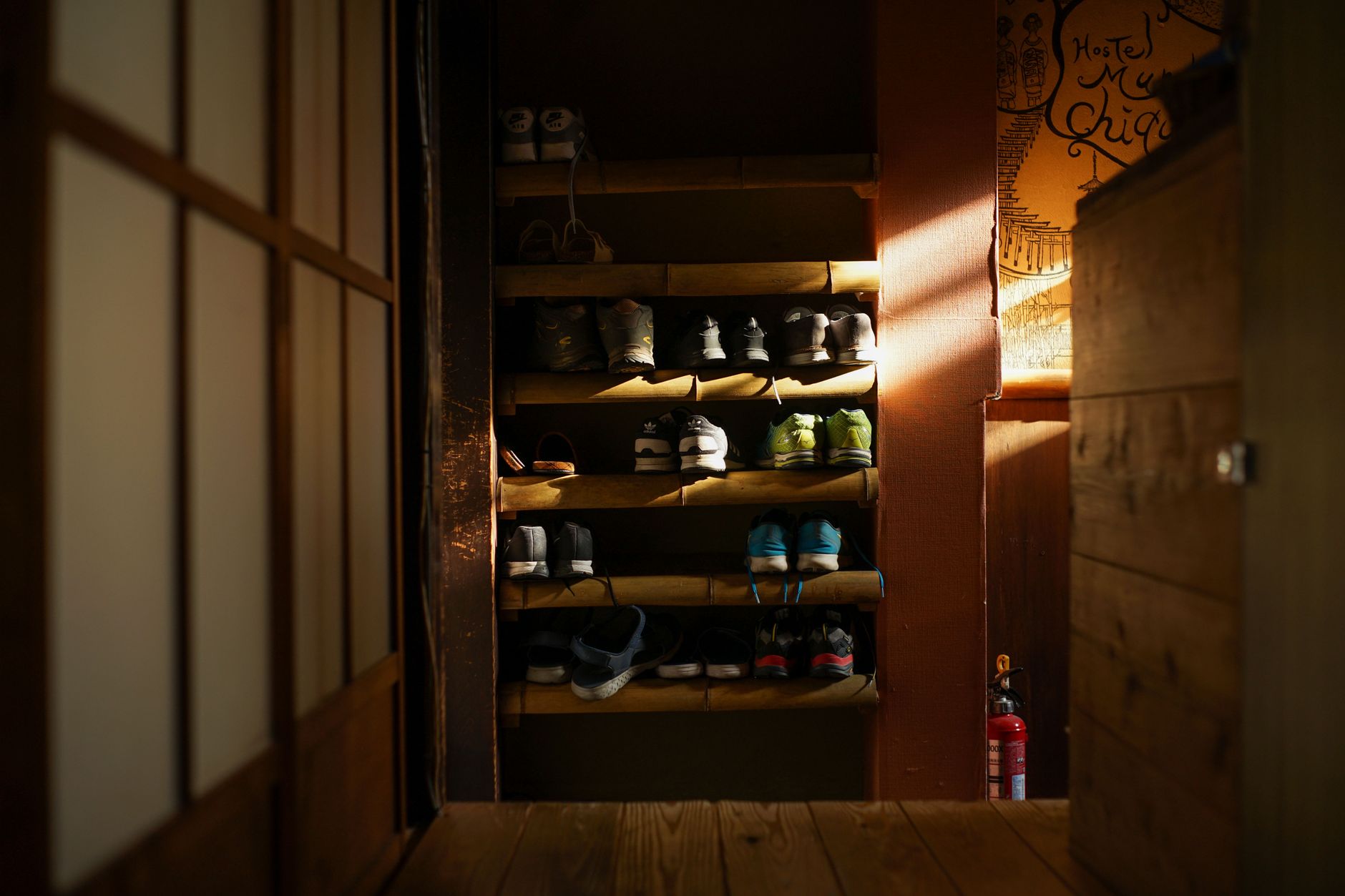
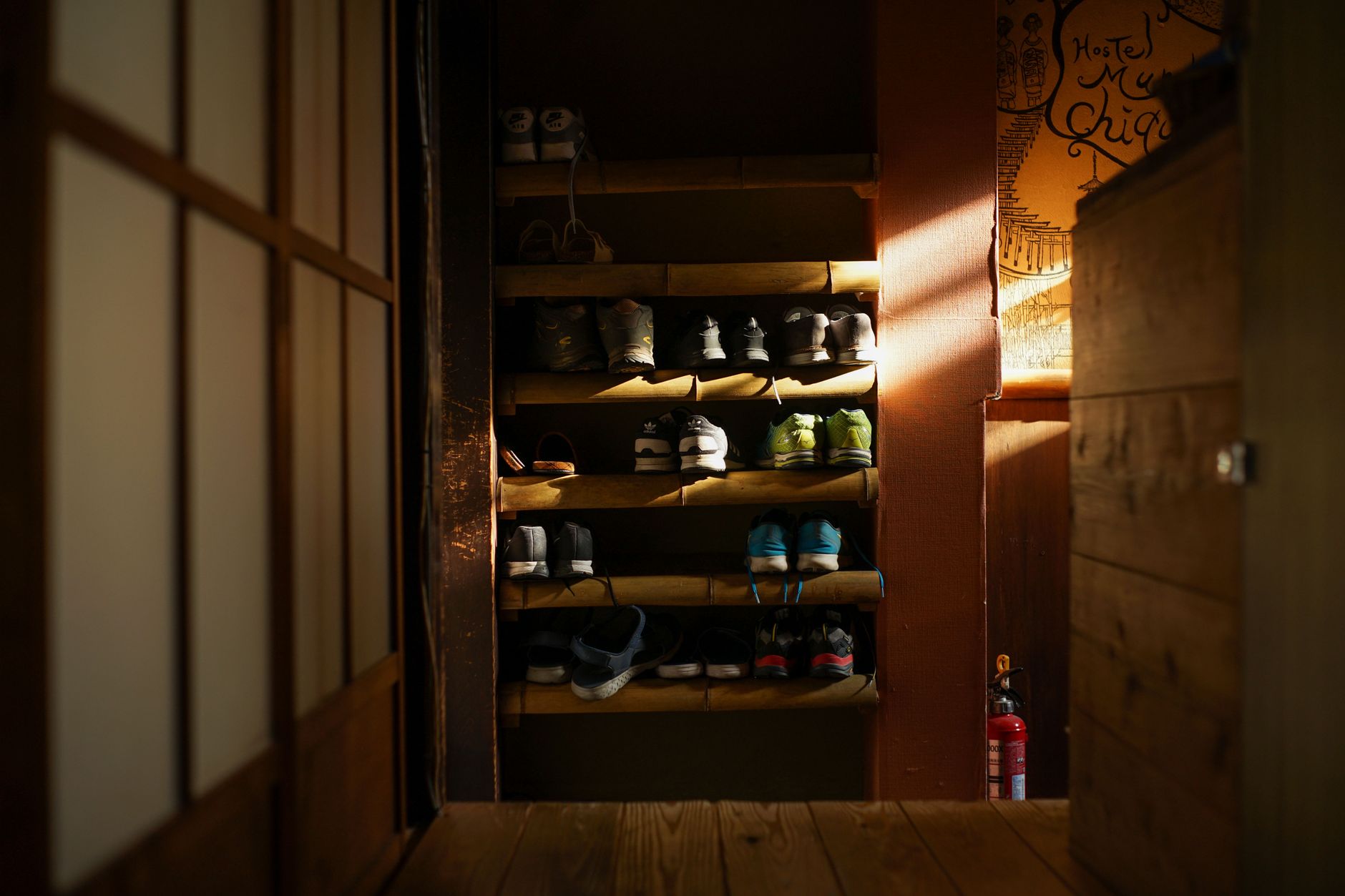
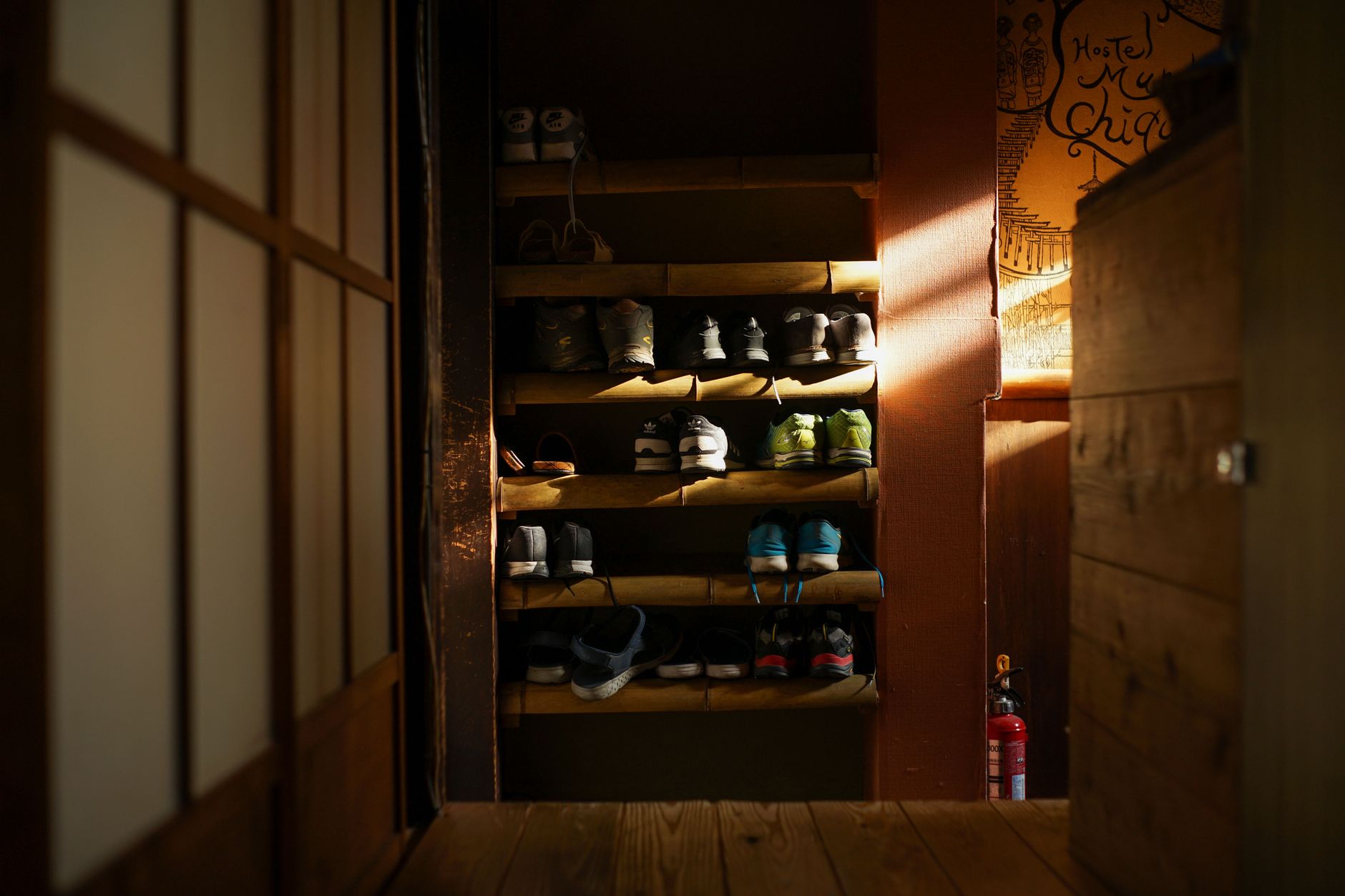
What a Japanese Entryway Holds Besides Shoes
A Japanese entryway holds more than shoes: keys, slippers, umbrellas, and deliveries. See how a cabinet, hook, and tray manage the threshold.
Living
October 9, 2026
What a Genkan Is — and Why Japanese Homes Have One
Why is there a step inside many Japanese homes? A genkan keeps shoes on the lower tile and marks the boundary between outside and inside.
Living
October 9, 2026
What an Ordinary Japanese Home Is Like
What does an ordinary Japanese home look like? A genkan, separate bath and toilet, built-in storage, and rooms that change use through the day.
Previous
Page
1
Page
2
Next
Search
Categories
Living
Food & Drink
Out & About
Customs
Communication
Money & Admin
Work
Tags
The Japanese Home
Newsletter Sign Up
Email
Sign Up