
The weather forecast on TV in Osaka sounds like someone telling a story rather than reading one. When rain is coming, the announcer says shito shito for a light drizzle. A real downpour is zaa zaa. The forecast is full of Japanese onomatopoeia, and nobody explains any of it. The sound is the description.

I didn’t grow up hearing forecasts like that. Where I’m from, the forecast says light rain or heavy rain at times. Here, the sound of the rain is often built into the sentence. The report has the same casual rhythm as the rest of Osaka speech.
For a while I thought these words were only for comic books. A dog goes wan wan, a door slams batan, a heart goes doki doki. Then I heard them in a weather report and in a coworker’s story. That’s when I started paying attention.
A Working Split, Not a Rulebook
The words are usually called onomatopoeia. Textbooks I’ve seen often split them into two groups. Giongo (擬音語) imitate sounds — a dog barking, a bicycle bell, a dripping tap. Gitaigo (擬態語) describe a state, a texture, or a manner that makes no sound — a quiet room, a dense crowd, a sudden stop.
The terminology varies between accounts, and some words straddle the line. I use the split as a working distinction, not a fixed rule. The two groups don’t cover everything, and I’m not trying to make them.
The easiest way I’ve found to hold the two apart is to ask whether I could record the thing. A dripping tap has a sound; a crowded train does not. One word imitates a noise. The other describes a condition. That line is not perfect, but it works.
A dripping tap has a word like pota pota. A crowded train has gyuu gyuu. The first is a sound; the second is a pressure. They sit in the same grammar, which is why the split helps but doesn’t separate.
The Part That Surprises People
Many of these words describe nothing audible. A quiet room makes no noise. A dense crowd doesn’t sound like a word. A sudden stop is silent. Yet each one can be described with a sound word. You have to stop listening for a literal noise and start watching for a quality.
This is the part outsiders miss. They keep waiting for a sound, and half the words never had one. The word is describing how something is, not how it sounds. Once that clicks, the whole category opens up.
What They Do in a Sentence
The words don’t act like names for things. They sit beside a verb and color the action. The particle to is what I kept hearing between the sound word and the verb. A dog barks wan wan; the full sentence links the sound to the barking with to. That link does the work. The word itself stays a word for the sound, not a verb.
Sometimes the particle is dropped in casual speech, and the word stands on its own next to the verb. I hear that less in news reports and more in quick conversation. The link is still implied. The word does its work either way.
Repetition is part of the meaning. Shito shito is light and steady; zaa zaa is heavier. Rin rin for a bicycle bell is short and bright. The doubled syllable stretches or softens the quality. In these examples, the pattern is not decoration.
The sun through leaves is the example that stayed with me. Nothing about light makes a noise, but kira kira describes the sparkle of it. The word sits in the same place before a verb: kira kira to hikaru means the light sparkles. The word reproduces the quality — intermittent, bright, shifting.
A sudden stop has a word, and so does a room gone quiet. Neither makes a sound you could record. This is different from the deliberate silences in conversation; it is a word for a state. The sound word is describing a manner, not an actual noise.
Where They Show Up
Once I started noticing them, I couldn’t stop. They’re in advertising, where a cold drink in a TV spot is drunk with a goku goku. They fill manga panels, where a crowd presses in and the word sits on the page like part of the drawing. They turn up in ordinary conversation, usually without anyone drawing attention to them.
On a hot day, a drink commercial doesn’t just show condensation on the glass. The voice says goku goku as the character drinks, and the sound of swallowing arrives before the slogan. The word is doing the ad’s work. It gives the sensation in one doubled syllable.
In a manga panel, a crowd isn’t described as dense. The word gyuu gyuu sits near the bodies, sometimes drawn as part of the art. It gives the pressure. It works like the sound of the scene, even when the scene is silent.
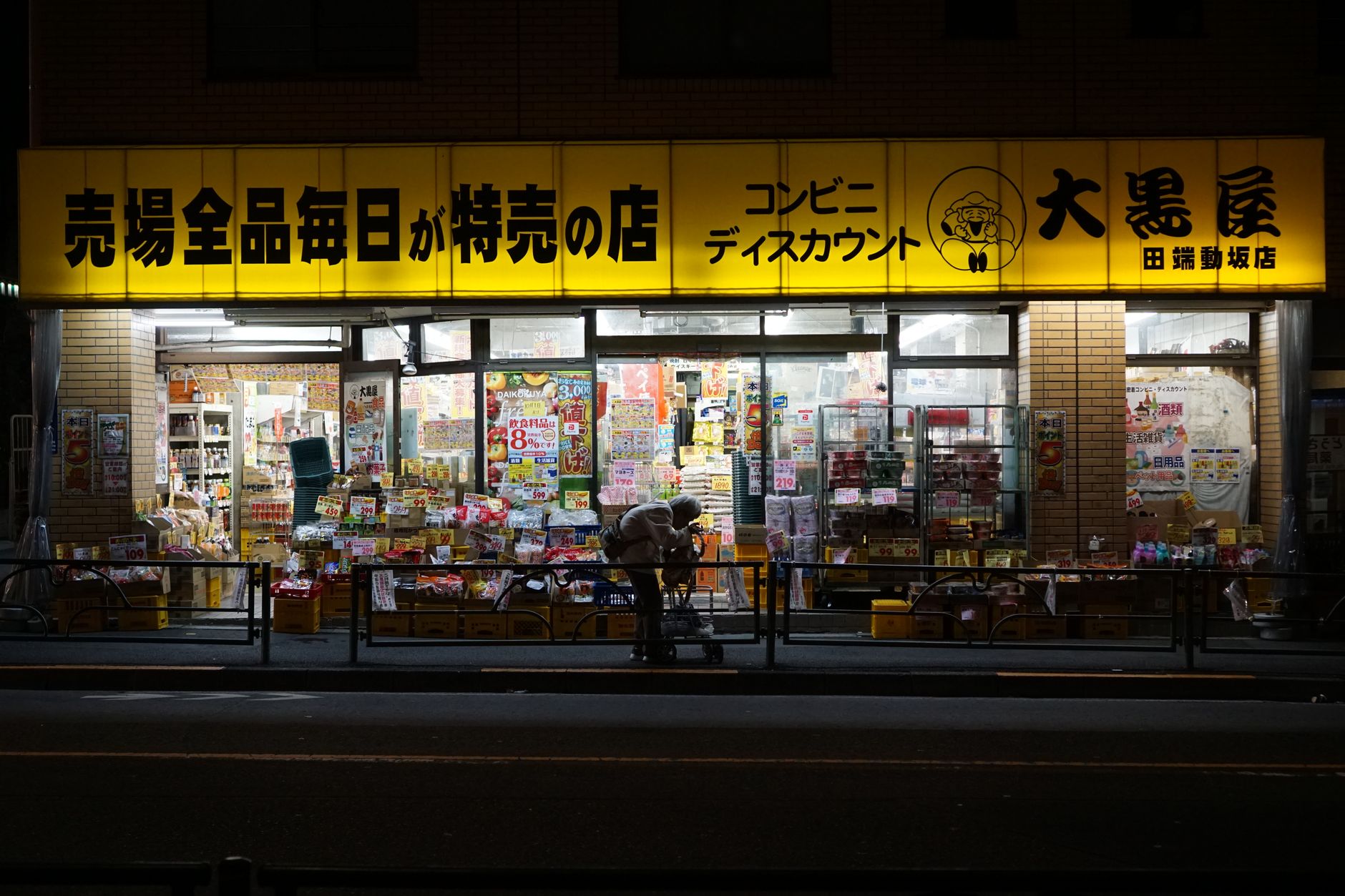
Once I started looking, I saw them in places I wasn’t expecting. The label on a packet of rice crackers might promise a texture with a word that sounds like the crunch. A hand cream ad will use one for the feel of skin. These words carry texture and temperature, not just noise.
Text messages here lean on the same words. A meeting gets called daradara, long and dragging, or a new jacket is fukafuka, soft and fluffy. The words carry the texture without a photo.
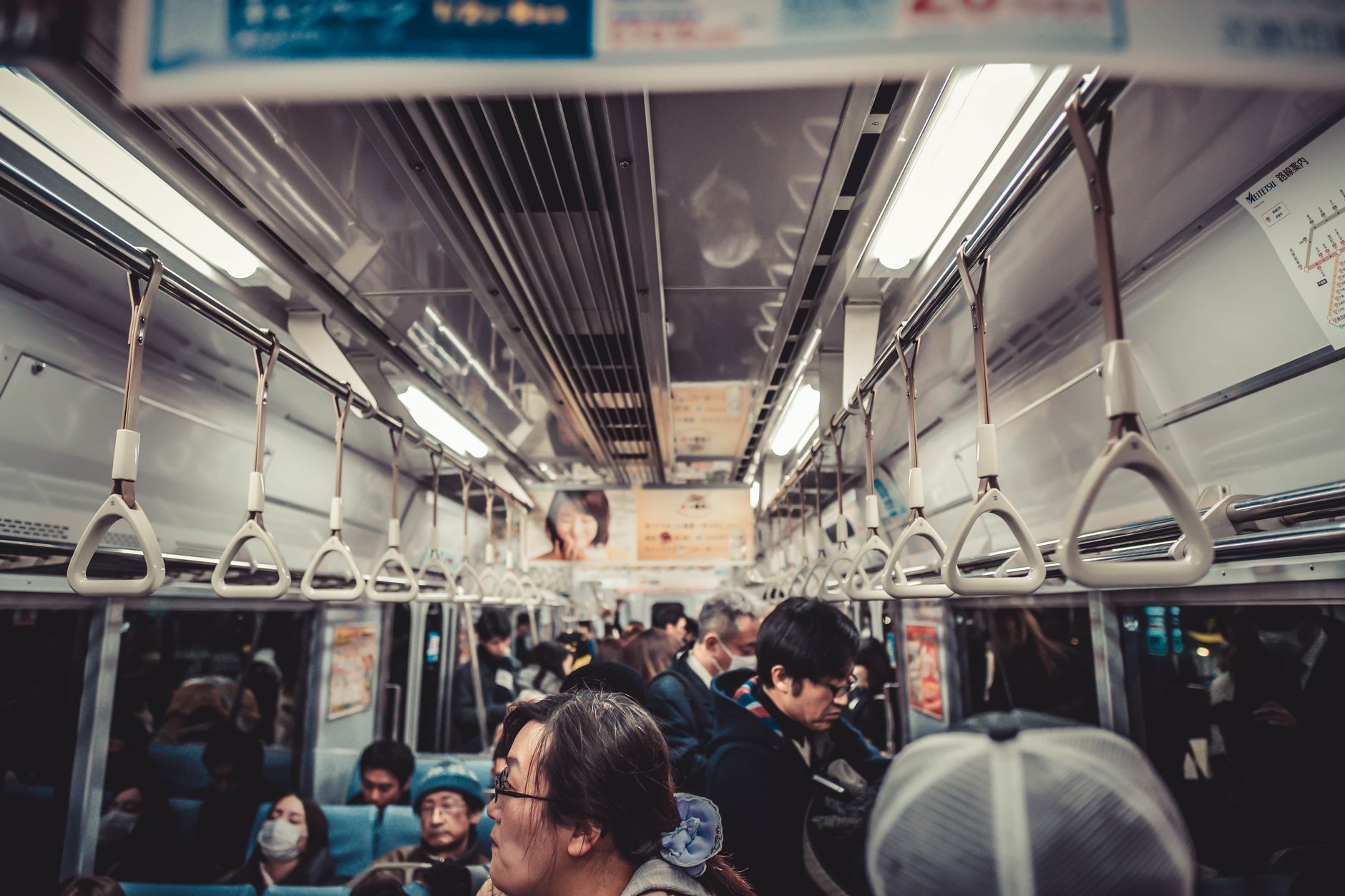
They work a little like the small noises that keep a conversation moving. A coworker might say the train was gyuu gyuu and then move on. The word carries the whole feeling of being pressed against the doors.
Nobody comments on the word. It’s just how the sentence comes out. I’ve stopped asking for a translation, because the word often is the translation. This is just part of how everyday Japanese conversation works in the speech I hear daily. The moment you try to swap it for a plain adjective, the feeling thins.
I never had to study these words. They show up enough in conversation and on packaging that the meaning arrives through context. I still don’t know a tenth of them, but I no longer need a translation for the ones I meet.
I think they’re common because they do a lot in a small space. A single doubled word gives a sound, a speed, and a mood at once. That’s a good trade in a fast conversation.
Where They Came From
Where the habit came from, I honestly don’t know. I’ve asked people here, and I usually get a shrug or a guess. Some say the words feel old; others say they just grew because they work. I haven’t found an answer I trust.
The people I’ve asked don’t treat it as a mystery. They just use the words. That might be the most honest answer: nobody needs a history to feel that zaa zaa means heavy rain.
I used to assume there was an old origin story. The more I asked, the less that assumption held. Some words are old, some are new, and the line between them is hard to see.
What I can say is what they do. They compress a sound or a state into a single doubled word and drop it beside the verb. That’s the part I understand. The origin is the part I leave alone.