
The bill arrives face-down on a small tray. I put the cash on the tray. The server takes it, comes back, and places the change on the same tray. Nobody waits for me to decide what to leave.
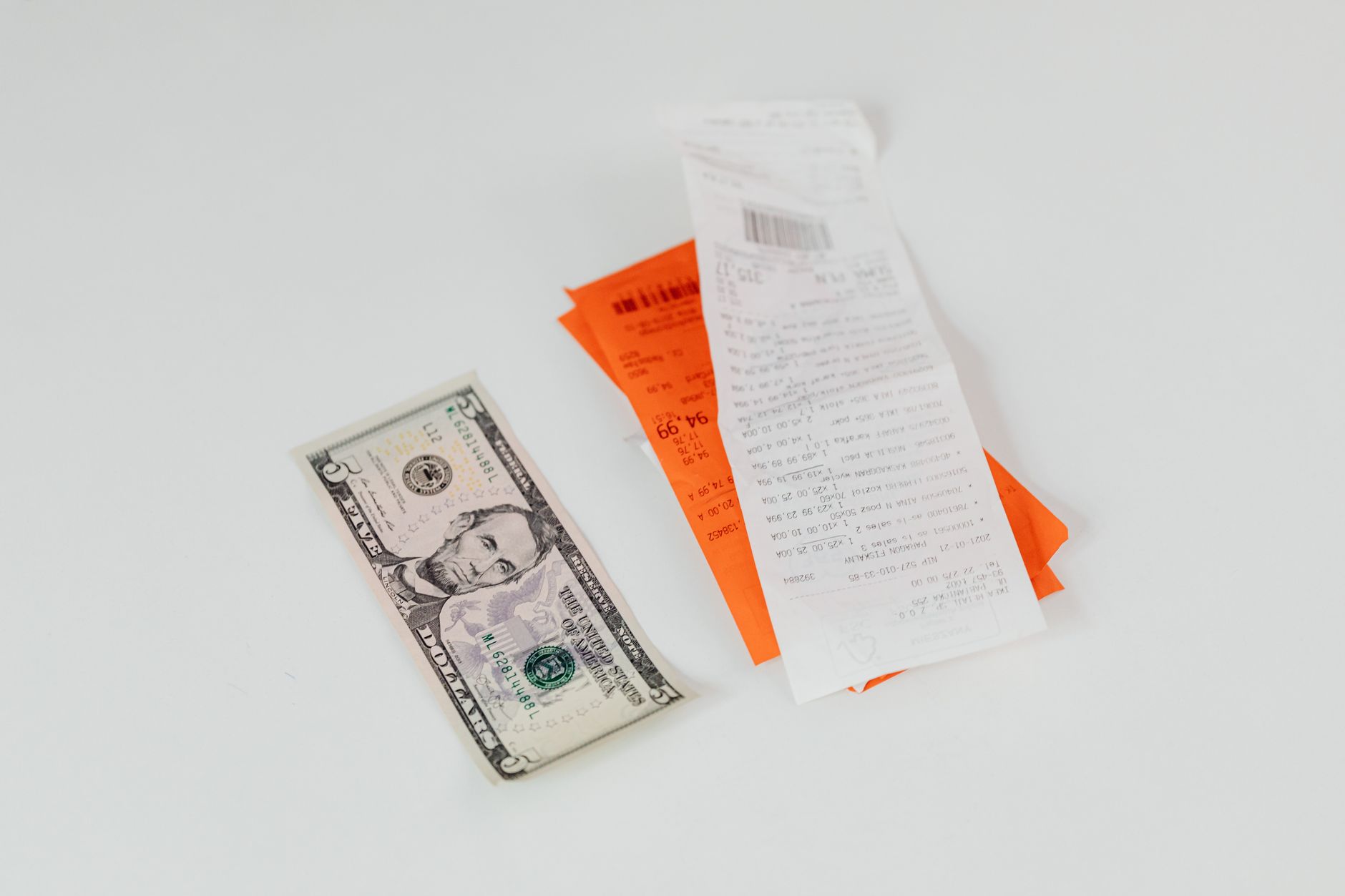
No Pause at the End
In the restaurants, hotels, and taxis I have used here, tipping is not expected. As of 2026, the Japan Travel by NAVITIME guide says there is no tipping custom in Japanese service culture. Leaving a tip may even be read as rude. That matches what I have seen. Nobody holds out a hand or lingers after the change.
The local equivalent of a gratuity is a service charge. As of 2026, the same guide says it is automatically added at hotels, ryokan, and many restaurants. It is a mandatory fee payable regardless of how good or bad the service was. A tip is optional; a service charge is not.
Where the Extra Money Would Go
There is usually a small tray for money at the places I go. I set the cash or card on it, and the server takes it from there. The tray is the whole handoff. Japan-guide.com reports that leaving extra money can cause confusion because staff may think I forgot my change.
That confusion is not a rejection. It is a correction. The staff assume the extra cash is a mistake and try to return it. CoCoRo reports that handing over extra cash at restaurants or hotels is uncommon, and employees often hesitate to accept it. I have seen that pause once or twice.
What Staff Do When You Try to Tip
In the few times I have watched someone try, the server does not refuse rudely. They pause, then return the money as if correcting a mistake. The hesitation reads to me as the exchange being already complete. Bowing does similar work.
In the interactions I have had, a bow manages the exchange without demanding anything extra. I wrote about bowing separately because it carries more than a greeting. The tray is the smaller, quieter version of that same habit.
The Explanations People Repeat
The origin of the no-tipping custom is asserted more often than it is documented. Gaijin Tours describes one account of the Edo period. In that telling, a social class system came with a strong, mandatory practice of tipping service workers. The practice later became informal. That is one reported account, not the established reason.
You will hear that story repeated. I have never found a source that settles it. The safer statement is plainer: the custom exists, and the reasons people give are stories, not records.
Card and App Payments Change the Moment
When I pay by card, the terminal often sits on the counter and the server turns it toward me. The receipts I have seen have no tip line. The amount is fixed. Where I grew up, leaving a tip was part of paying for a meal, and skipping it was a statement. Here, the card reader just prints the total.
That difference still surprises me. A fixed price means the end of the transaction is already decided. The tray, the card reader, and the receipt all agree on the total.
Where the Custom Holds
I live in Osaka, so what I describe comes from there and the places I have been. The sources I checked describe the same pattern more broadly. I would not say it is universal for every worker. The rule is a default, not a law.
Here is the part I didn’t expect. A service charge is not money that goes to the person who served you. Japan Travel by NAVITIME says it is added on as part of the business’s sales. So the automatic charge and a tip differ in another way: one goes to the business, the other to the worker.
There is also a legal boundary that gets repeated. As of 2026, the Japan Travel by NAVITIME guide says no standard rule or law clearly bans tipping in Japan. That means the custom is not enforced by a statute. It lives in habit, not in a penalty.
What a Visitor Actually Sees
A lot of the manners I notice around me in Osaka are about keeping an exchange smooth and not imposing. Shoes come off at the door for a similar reason. I have a separate article on why Japanese people take their shoes off at the door. The tray is part of that same habit.
What a visitor sees is a transaction that finishes cleanly. The tray takes the money, the change comes back, and the receipt goes with it. There is no arithmetic at the table. The staff do not wait. The whole thing ends a few seconds earlier than a meal back home.
The bow, the tray, and the fixed total all do the same job. They keep the exchange short and clear. The shoes-off habit collapses a decision into a routine the same way. None of it is about generosity. It is about finishing without friction.
References
- Japan Travel by NAVITIME — no tipping custom, service charge, mandatory fee, no law clearly banning tips.
- Japan-guide.com — leaving extra money can cause confusion because staff assume forgotten change.
- CoCoRo — handing over extra cash is uncommon and employees often hesitate to accept it.
- Gaijin Tours — Edo period account of a strong tipping practice that later became informal.