
The Wrapper Problem
You finish a small snack on a side street and look for somewhere to put the wrapper. The corner has no bin. The next block has no bin either. You walk with the wrapper in your hand, then in a pocket, and eventually it goes home with you. People back home keep asking me about this one. No trash cans on Japanese streets — that’s what they’ve heard, and they want to know if it holds up.
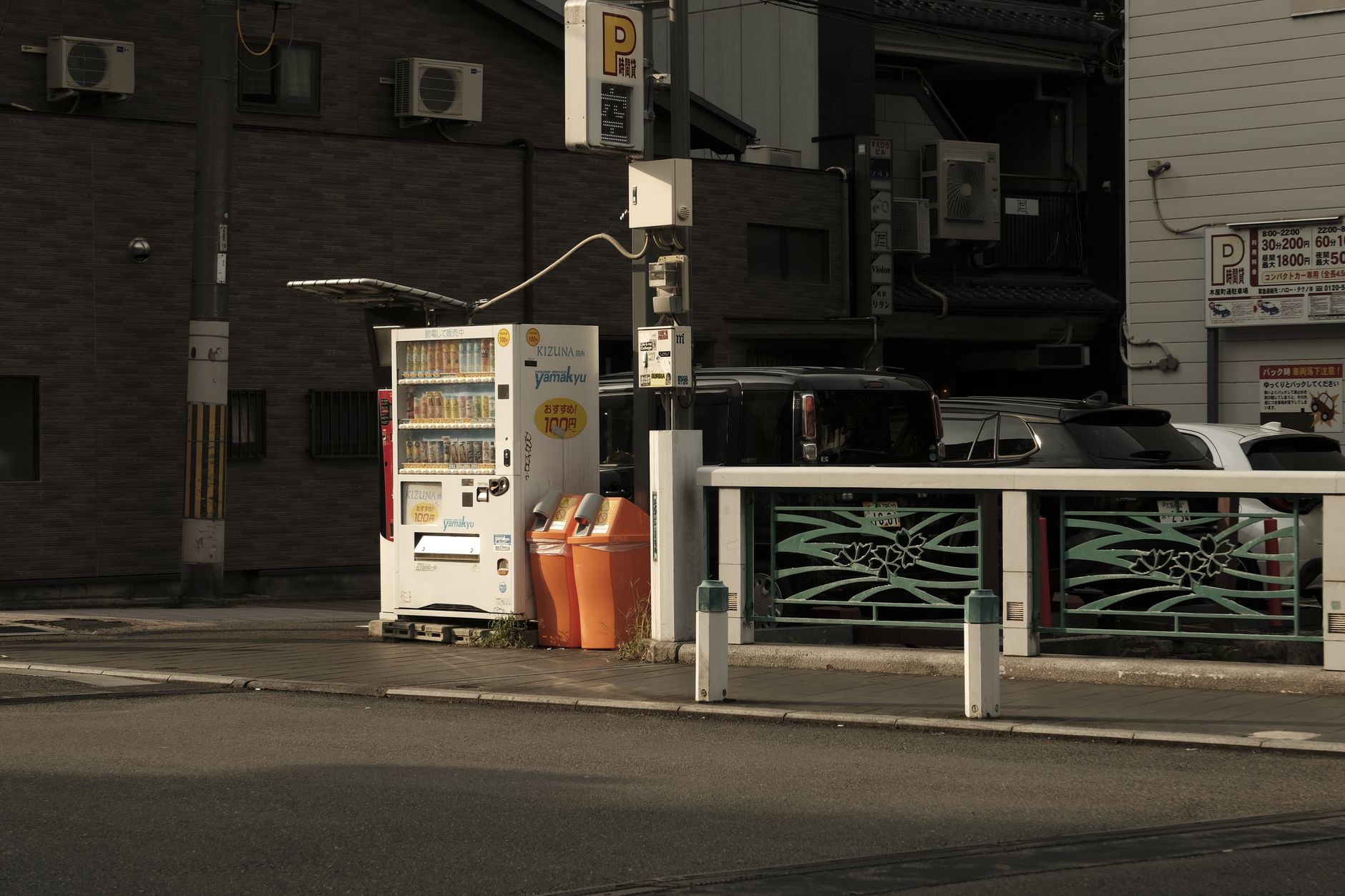
This is not a rare inconvenience. It is the ordinary state of things in much of urban Japan, at least where I live. Public trash cans are fewer than most Americans expect. The wrapper problem is real, but the solutions are routines people barely think about.
Much of public life here runs on small shared habits. Taking your shoes off at the entryway is one of them. Carrying your trash until a bin appears is another. It looks like a shortage from outside. From the inside, it is closer to a default.
Where It Actually Goes
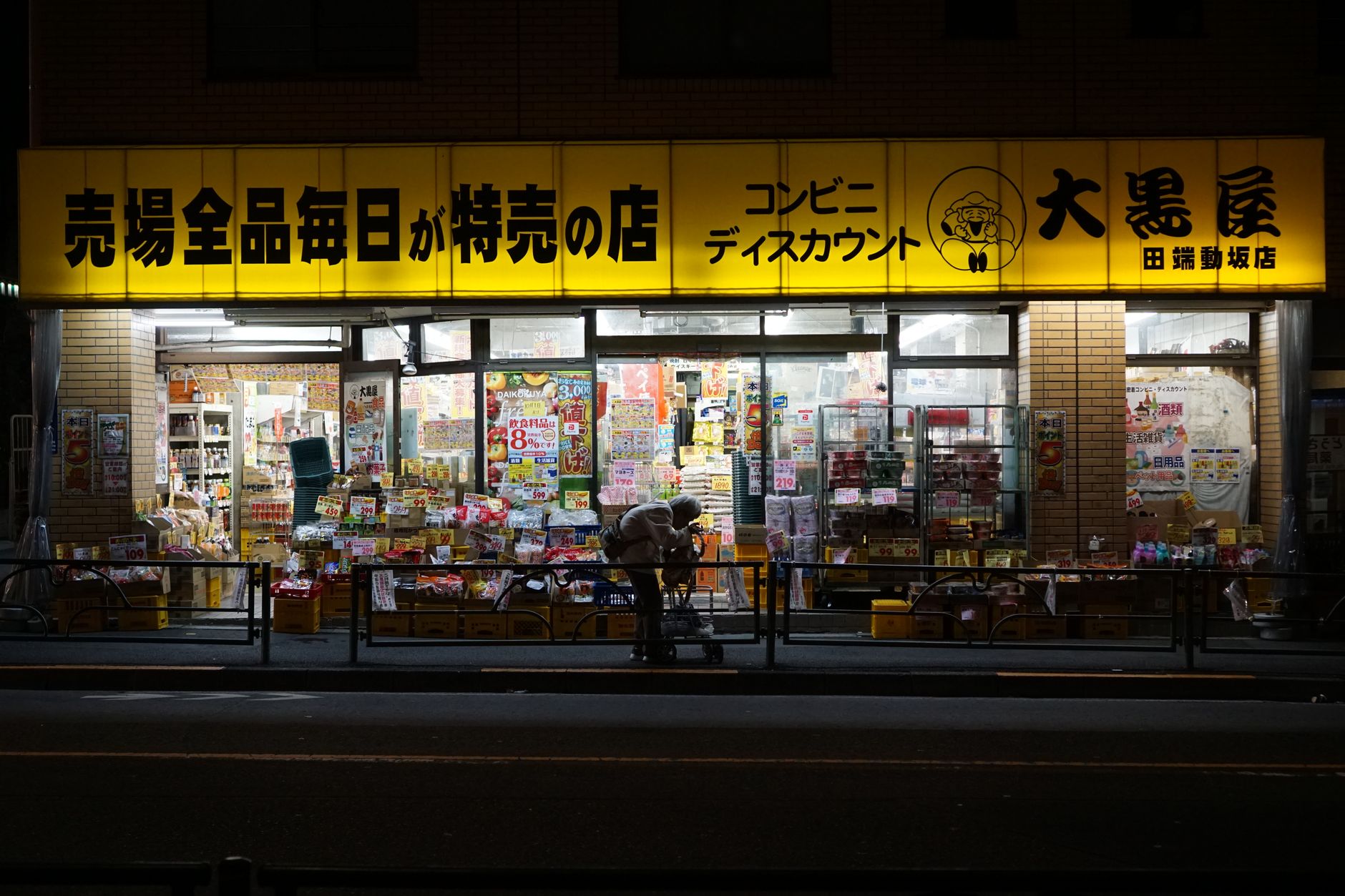
Most of the time, the trash stays with you. You bought the snack at a konbini. You carry the wrapper back or stop at any konbini on the way. The first time I did this, it felt like I had forgotten something. By the third time, it was just how an errand ended.
Take it back to where you bought it. That habit is strongest with small shops and food stalls. The seller handed you the wrapper in a sense. Handing it back for their bin feels like part of the transaction. People do it without ceremony.
The one kind of bin you can usually count on sits beside a vending machine. It is there for the bottle or can the machine just sold you. You are not meant to put a coffee cup or a sandwich wrapper in it. The opening is often small, and the sign shows bottles and cans, not general waste.
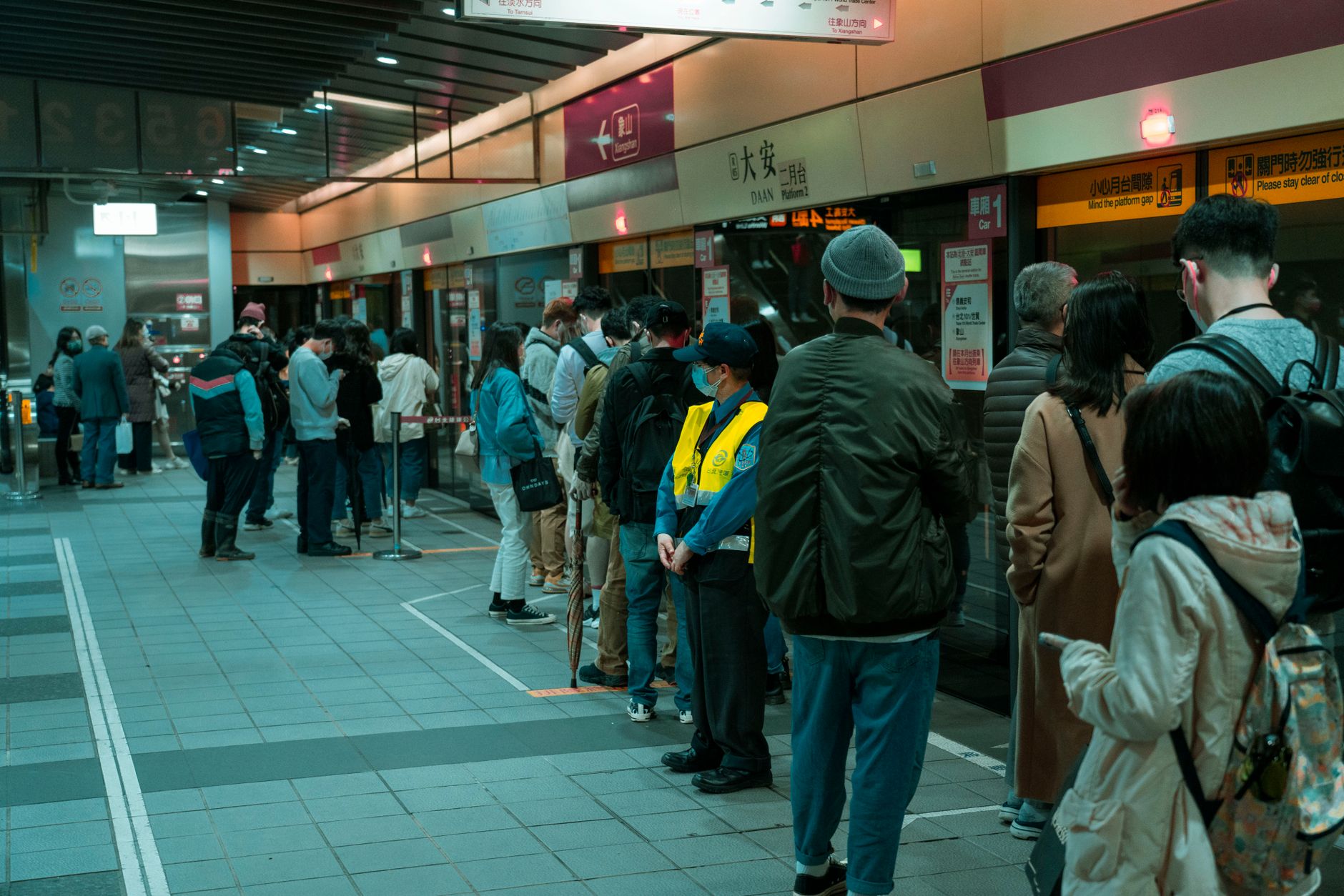
At stations, bins are more common but also more specific. You might find separate openings for paper, plastic bottles, and cans on the platform. The general hole for “other” rarely exists. If the thing in your hand doesn’t fit a labeled opening, it stays in your bag.
In parks, the bins can be larger. Sometimes they are locked or covered before a big event, with a sign saying to take your rubbish home. That one still catches me out.
Department stores and large stations sometimes keep bins near the restrooms. They are not placed for street traffic. They are meant for the things you bought inside. A coffee cup from outside still does not belong there, though you will sometimes see one balanced on top.
A Day With No Bins
It helps to run the day as a sequence, because that is how the habit actually stacks up. You leave the station and buy a cold bottle of tea from a vending machine. You drink it beside the machine and drop the bottle in the bin there. That bin is the easiest part.
Then you buy a rice ball at a konbini for later. The plastic wrapper stays in your bag. At lunch you sit on a bench and eat it. The wrapper goes back into the bag. The bench has no bin, and the nearest one is back at the shop. You will pass it again, so you return it then.
An empty coffee cup from a take-out window is the hardest case. It has no vending machine attached, so no dedicated bin exists. You carry the cup until you reach your office. The office has a bin, but only for certain kinds of waste. You empty it into the right slot and fold the cup.
None of this takes more than a minute each time. It only feels like a problem when you are new. You are still scanning the street for the bin that is not there.
Why There Are So Few Bins
Ask why and you get a few answers. One explanation often given is security. After the 1995 Tokyo subway sarin attack, some public bins were removed or restricted. But that is not a complete explanation for today’s situation. Maintenance costs, waste management, and decisions by individual operators also affect where bins are provided. I have not seen the actual decision. What matters is that the bins stayed scarce.
Another answer is simpler. Public bins cost someone money to empty and sort. A bin in the street is a place for household trash to pile up. If the bin isn’t sorted, the person emptying it inherits a mess. Fewer bins means less mess in public. That explanation seems just as useful as the security one.
There are no signs saying “carry your trash.” The habit is passed along quietly, the way a small bow can take the place of a spoken apology. You learn it by watching, not by reading. Then one day a visitor points at your wrapper. You realize you have stopped looking for a bin at all.
Bins Have Their Own Categories
When a public bin does appear, it rarely accepts everything. Each opening has a job. This is where the vending machine bin makes sense. It is part of the machine’s own waste stream, not a general convenience.
- Vending machine bins — bottles and cans only, matching what the machine sells.
- Station platform bins — openings for paper, plastic bottles, and cans; rarely a general slot.
- Konbini bins — in front of the shop, but essentially for things bought there.
- Park bins — the closest to general waste, though they can close before events.
The surprising part is what this does to your habits. You stop asking “is there a bin?” and start asking “what kind of bin would take this?” If the answer is none, the wrapper goes into your bag. The question becomes a sorting question, even in public.
The Eating-While-Walking Difference
People sometimes blend this with another norm: eating while walking is less common here than in the US. It is easy to think the missing bins exist because no one eats on the move. That is only half true. You see plenty of people eating at small counters, on benches, or standing near a food stall.
The difference is where the wrapper goes, not whether food is eaten. A stall will have a small bin and a space to stand. That bin is for the stall’s own paper and plastic. The customer is expected to use it there, not carry a plate down the street. The street itself simply isn’t part of the meal.
Even among my coworkers, the habit is not a strict rule. One might walk and eat a rice ball if he is late. Another won’t. What stays constant is the wrapper. It goes into a bag or a pocket. Nobody leaves it on a wall.
Household Sorting Stays at Home
The public habit is separate from the household one. At home, rubbish follows the collection categories and schedule set by the municipality. Burnable waste, recyclables, and plastics may be collected separately, but the exact categories and arrangements vary by area. That system is strict, and it is its own topic. It is much like the entryway rule that keeps shoes in their place. Public bins are not an extension of that system. They are a small, specific convenience at most.
The wrapper in your hand is not suddenly less yours because you’re outside. That is the small idea under everything. The person who made the trash carries it. The city provides bins for a few predictable streams, and otherwise the bag you carry is the bin.
A visitor once asked me what happens if you just leave a wrapper on a wall. I told him most people I know wouldn’t. Not because a fine is coming, but because the street is not a place you leave things. The habit is quieter than a rule, but it holds. Like a bow, once you see it, it becomes part of how the street works.