Skip to content
Living
Food & Drink
Out & About
Customs
Communication
Money & Admin
Work
Living
Food & Drink
Out & About
Customs
Communication
Money & Admin
Work
Home
Everyday Japan. Everything Japan.
Living
October 15, 2026
Sodai Gomi: How Bulky Waste Disposal Works in Japan
In Shinjuku Ward, sodai gomi requires a booking, prepaid tickets, and an assigned spot. The process also excludes appliances and computers.
Living
October 15, 2026
The Everyday Home Cleaning Routine in Japan
Why does a futon go over the balcony rail? This Japanese cleaning routine uses daylight, open windows, and quick floor wipes to manage humid air.
Living
October 15, 2026
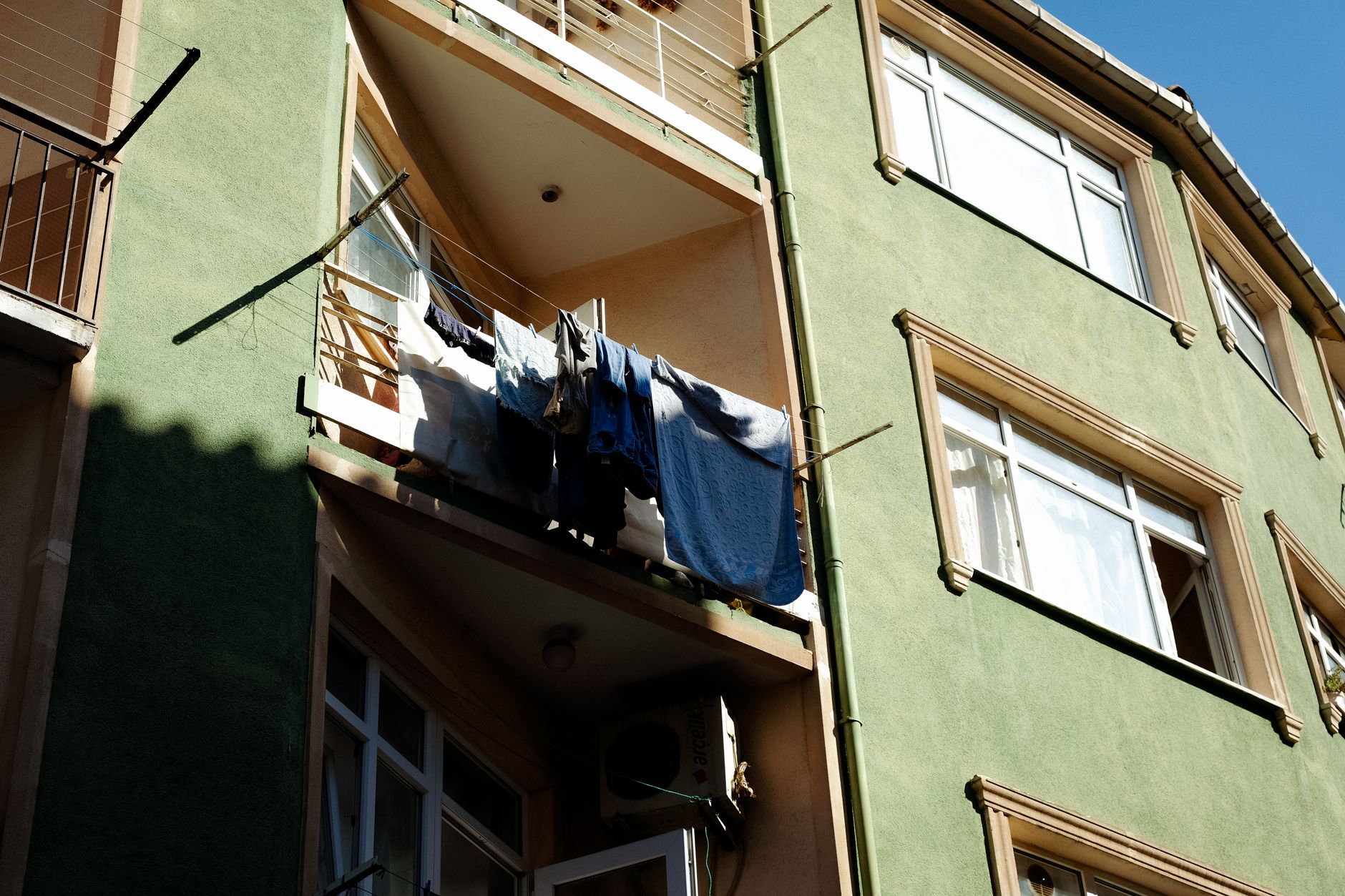
Why Japanese Laundry Dries on the Balcony
Why do Japanese homes not use dryers? Balconies handle clear days, while bathroom drying systems take over during Osaka’s rainy season.
Communication
October 14, 2026
Sumimasen: What the Word Actually Does
Why can sumimasen mean “sorry,” “thanks,” or “excuse me”? The setting decides whether it marks a bump, opens a question, or summons a waiter.
Living
October 14, 2026
Why a Japanese Bath and Toilet Are in Separate Rooms
Why are the bath and toilet separate? A wet-room shower, shared soaking tub, and sink that refills the toilet tank show how the layout works.
Communication
October 14, 2026
The Silence in Japanese Communication
A coworker's pause in Osaka once felt like a mistake. Here's how silence can signal thinking, soft refusal, or disagreement in everyday conversation.
Food & Drink
October 14, 2026
Ichiju Sansai: What the Phrase Means
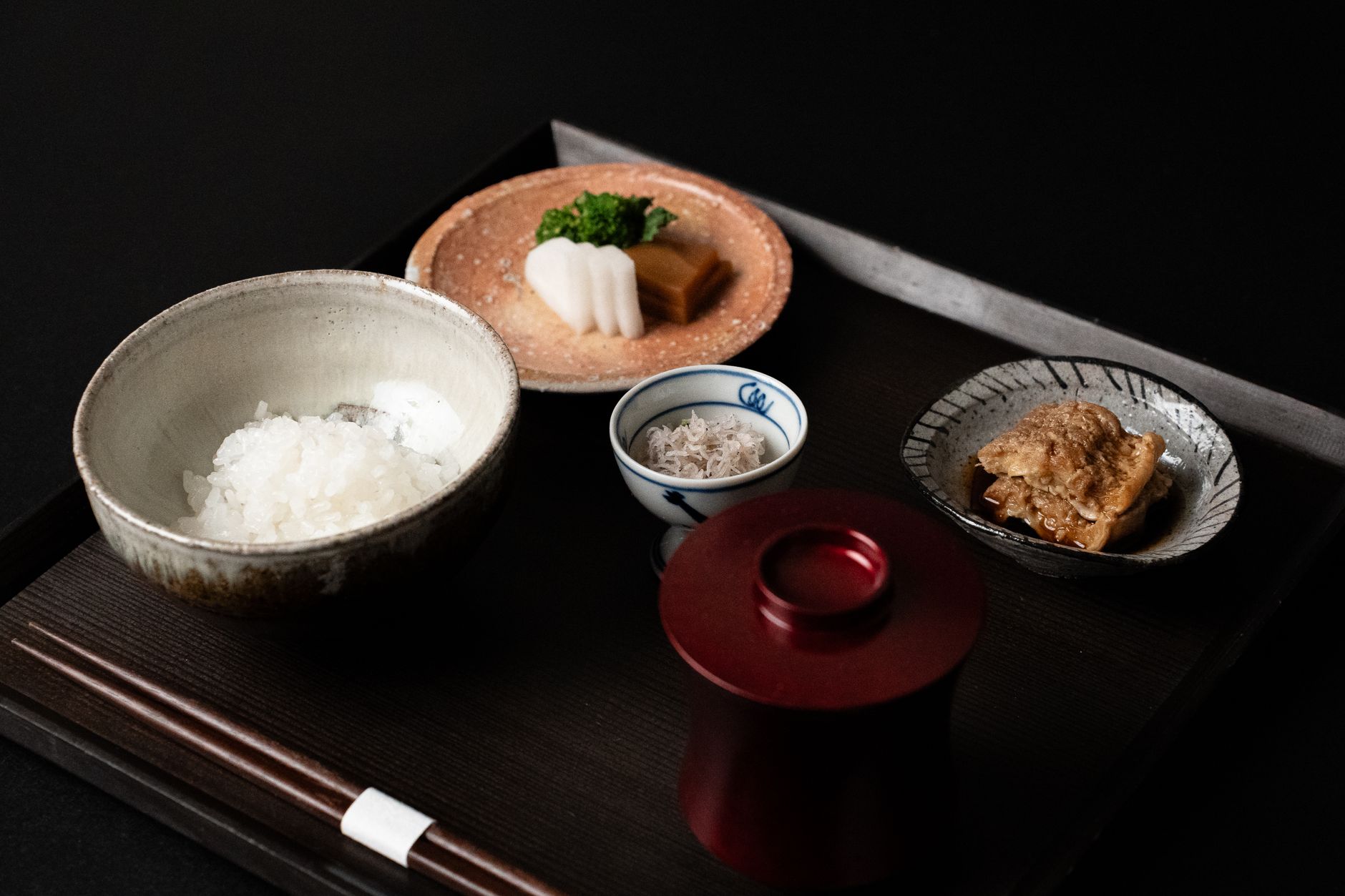
What does ichiju sansai count? One soup, three small dishes, and rice on the side—a meal structure found in set menus, homes, and cookbooks.
Living
October 13, 2026
Japanese Toilets and Washlets, Explained: What the Buttons Do
What do the buttons on a Japanese toilet do? This guide explains rear and front wash, pressure, seat heat, the dryer, and the stop button.
Living
October 10, 2026
What a Japanese Entryway Holds Besides Shoes
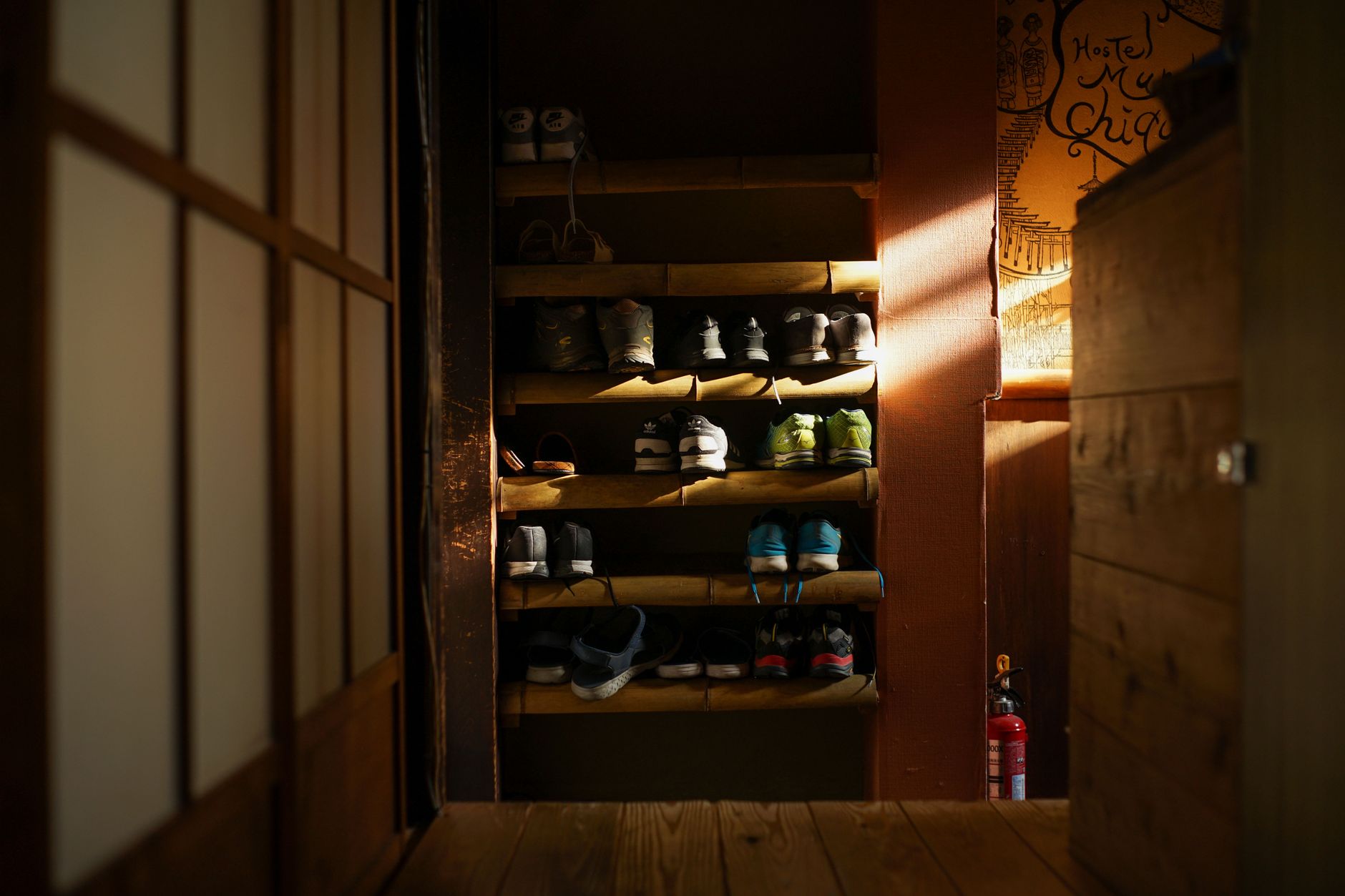
A Japanese entryway holds more than shoes: keys, slippers, umbrellas, and deliveries. See how a cabinet, hook, and tray manage the threshold.
Living
October 9, 2026
How Garbage Sorting Works in Japan: Burnable, Plastic and the Calendar
Why does Osaka garbage sorting use four streams? See how plastic, PET bottles, kitchen scraps, and the local collection calendar fit together.
Out & About
October 9, 2026
Why Konbini Are Everywhere and What They Actually Do
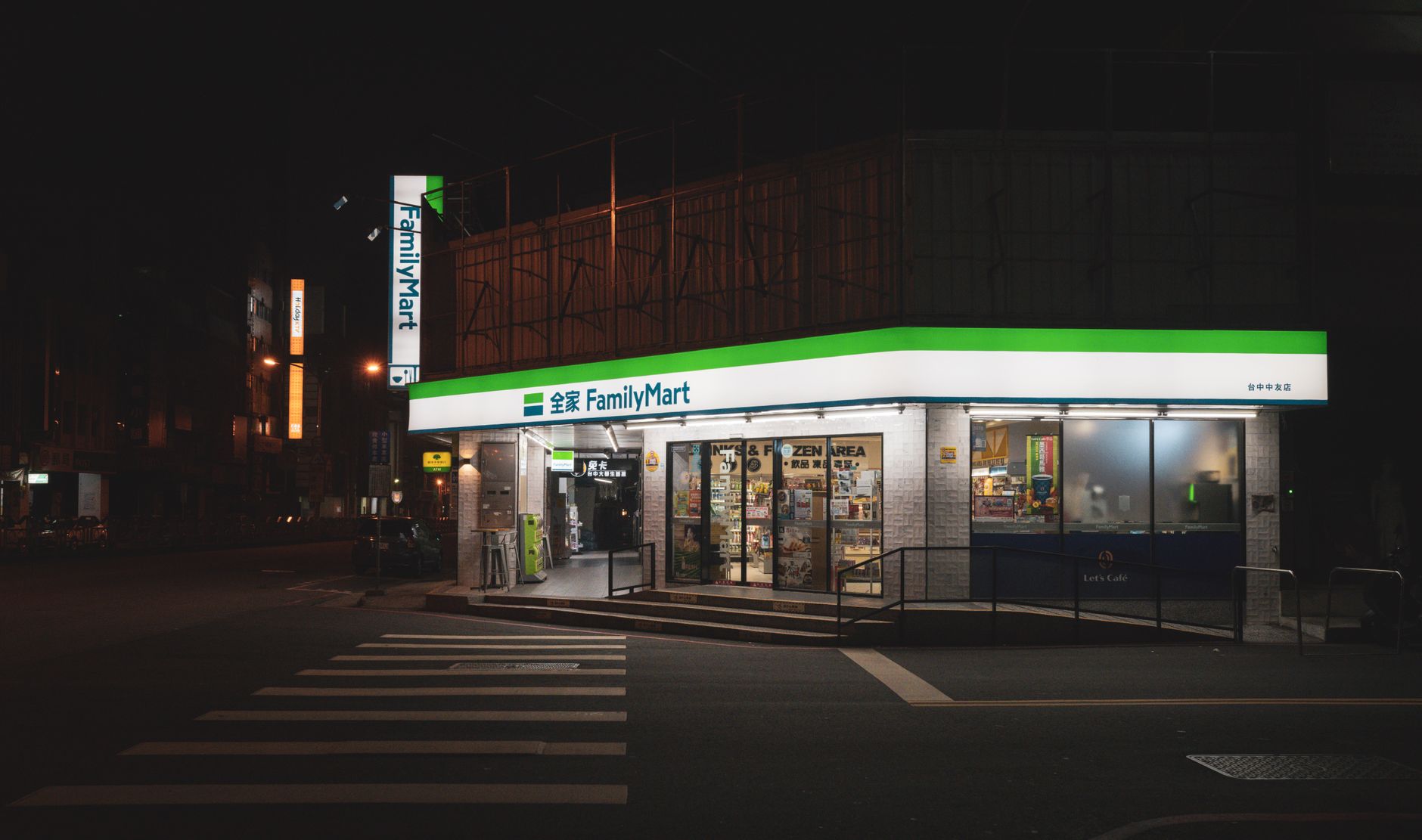
Why can two konbini share one block? Small plots, passing foot traffic, frequent deliveries, and flexible hours explain the density.
Customs
October 9, 2026
Bowing in Japan: What It Actually Conveys
Why does a train conductor bow to an empty aisle? Bowing in Japan ranges from a quick acknowledgment to a formal apology.
Previous
Page
1
Page
2
Page
3
Page
4
Page
5
Next
Search
Categories
Living
Food & Drink
Out & About
Customs
Communication
Money & Admin
Work
Tags
Everyday Conveniences
Newsletter Sign Up
Email
Sign Up