Everyday Japan. Everything Japan.

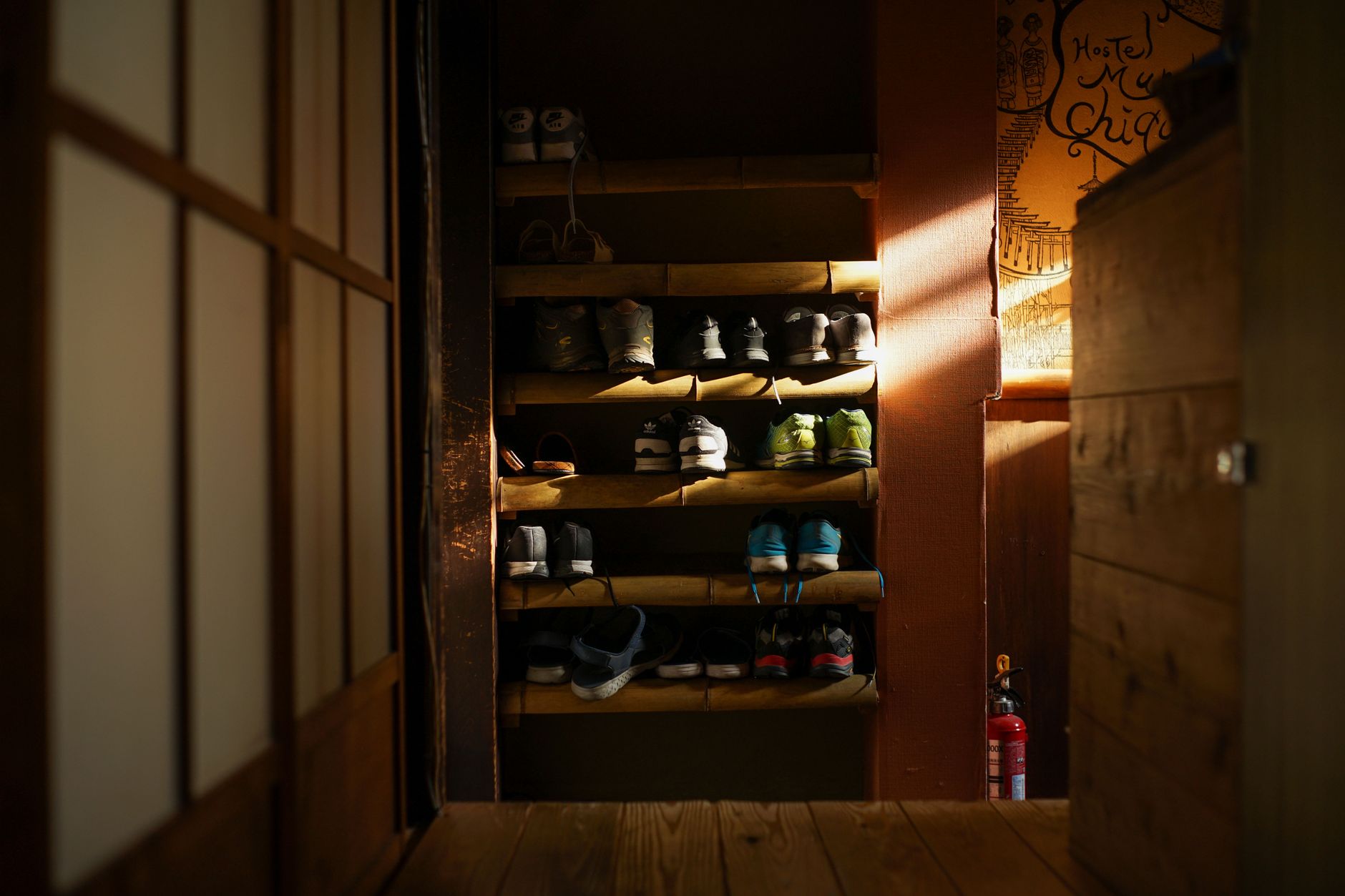
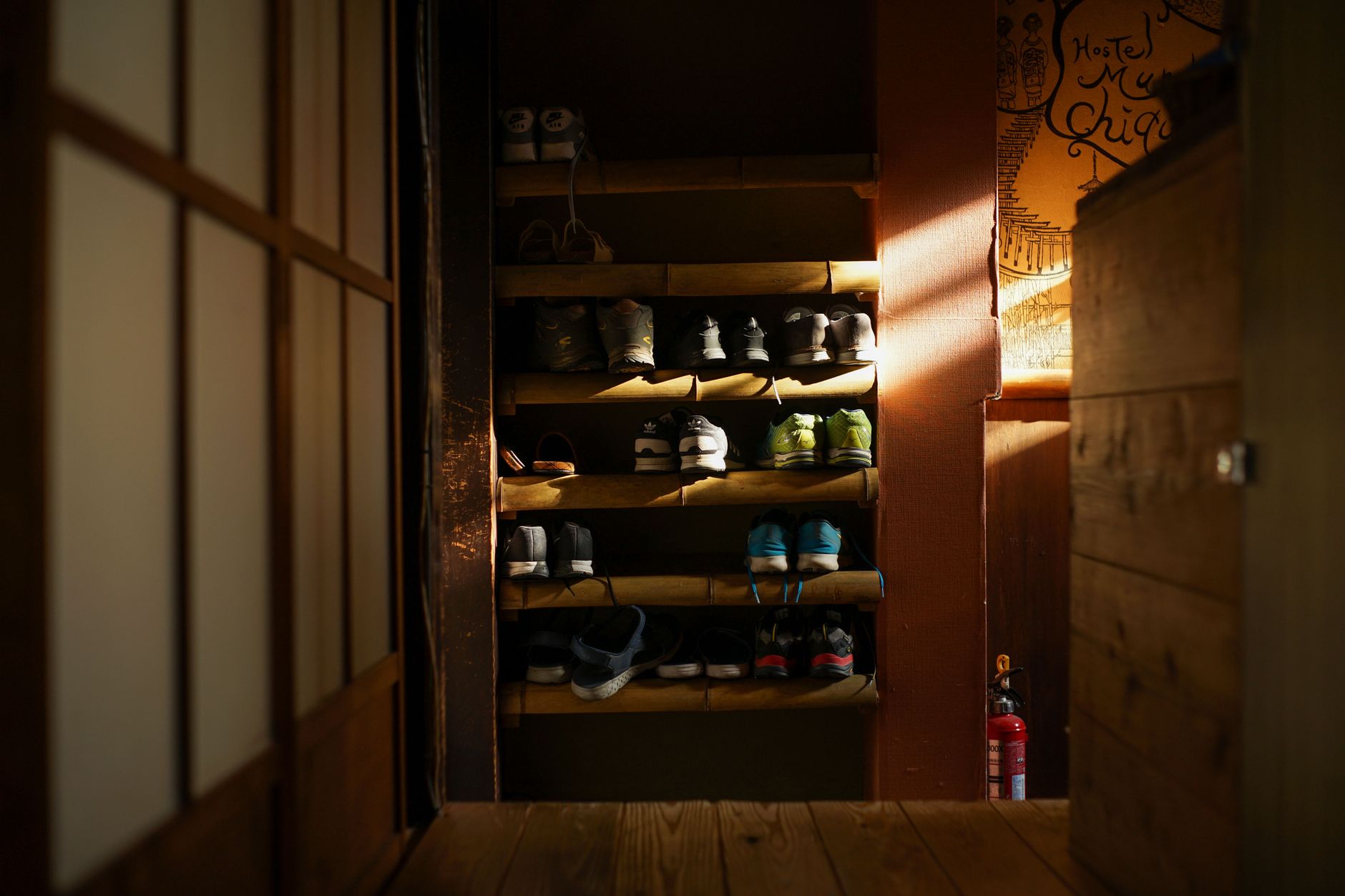
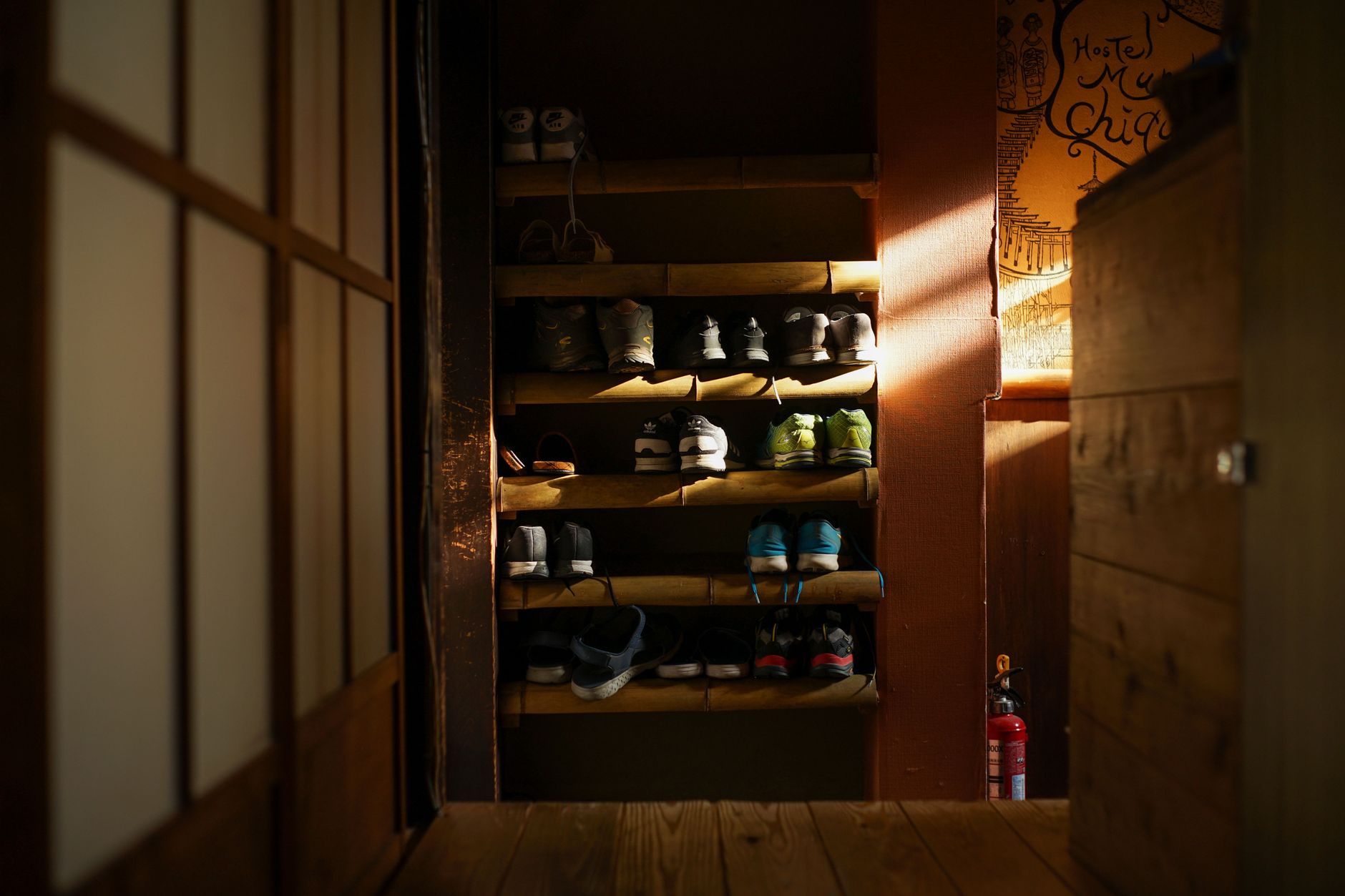
Why is there a step inside many Japanese homes? A genkan keeps shoes on the lower tile and marks the boundary between outside and inside.
Why does renting in Japan involve key money and a guarantor? This guide explains upfront fees, lease types, screening, and what happens to the deposit.
What does an ordinary Japanese home look like? A genkan, separate bath and toilet, built-in storage, and rooms that change use through the day.
Why does Osaka sound different from Tokyo? Kansai-ben changes pitch accent and sentence endings, shifting with the setting from TV to neighborhood life.

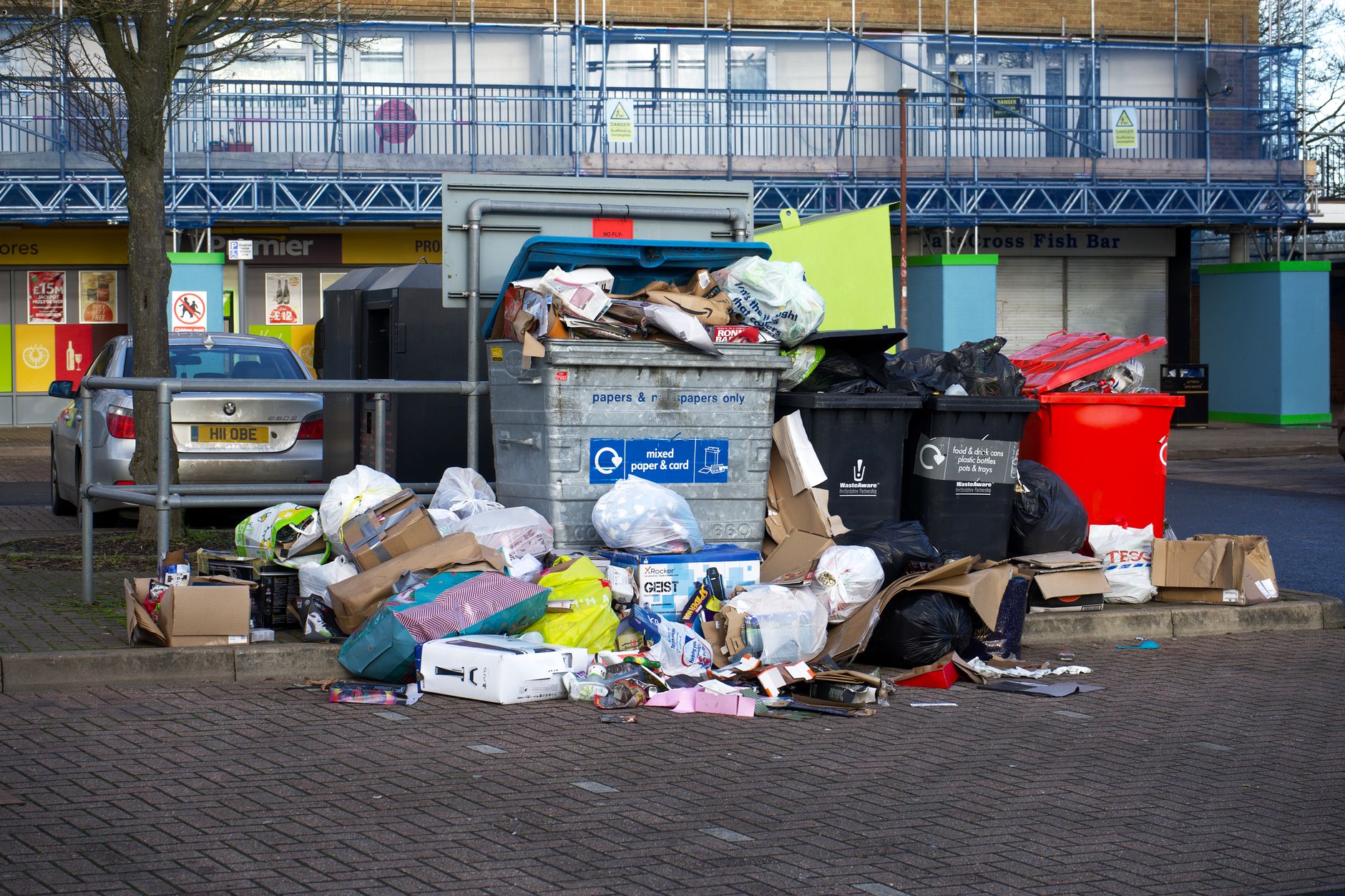
What does garbage day look like in an Osaka apartment? Bags go under a net before 8, with separate days for burnable waste and recycling.
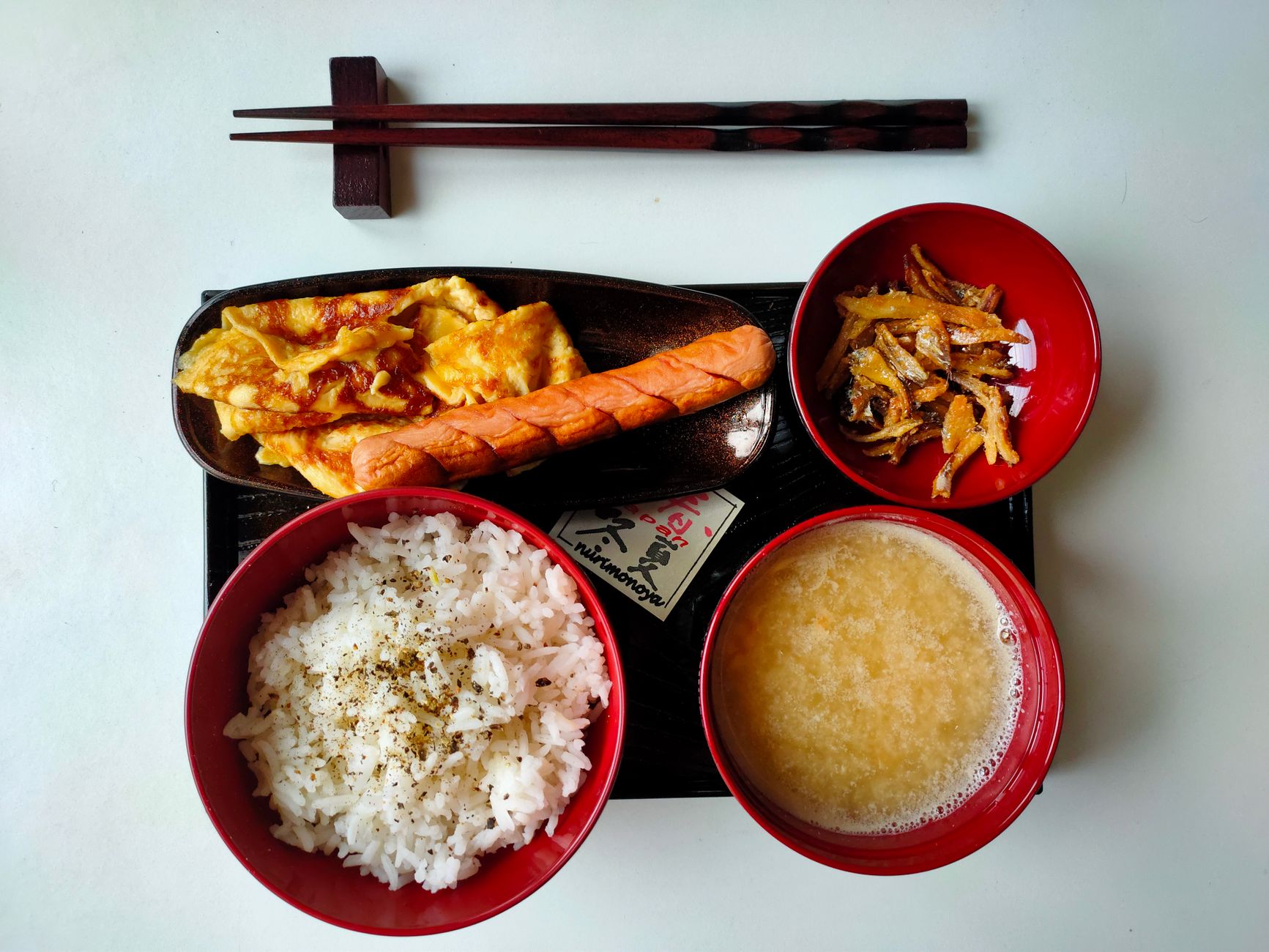
A Japanese breakfast can mean rice, miso soup, or toast and coffee. See how weekday commutes turn the traditional set into a quicker meal.
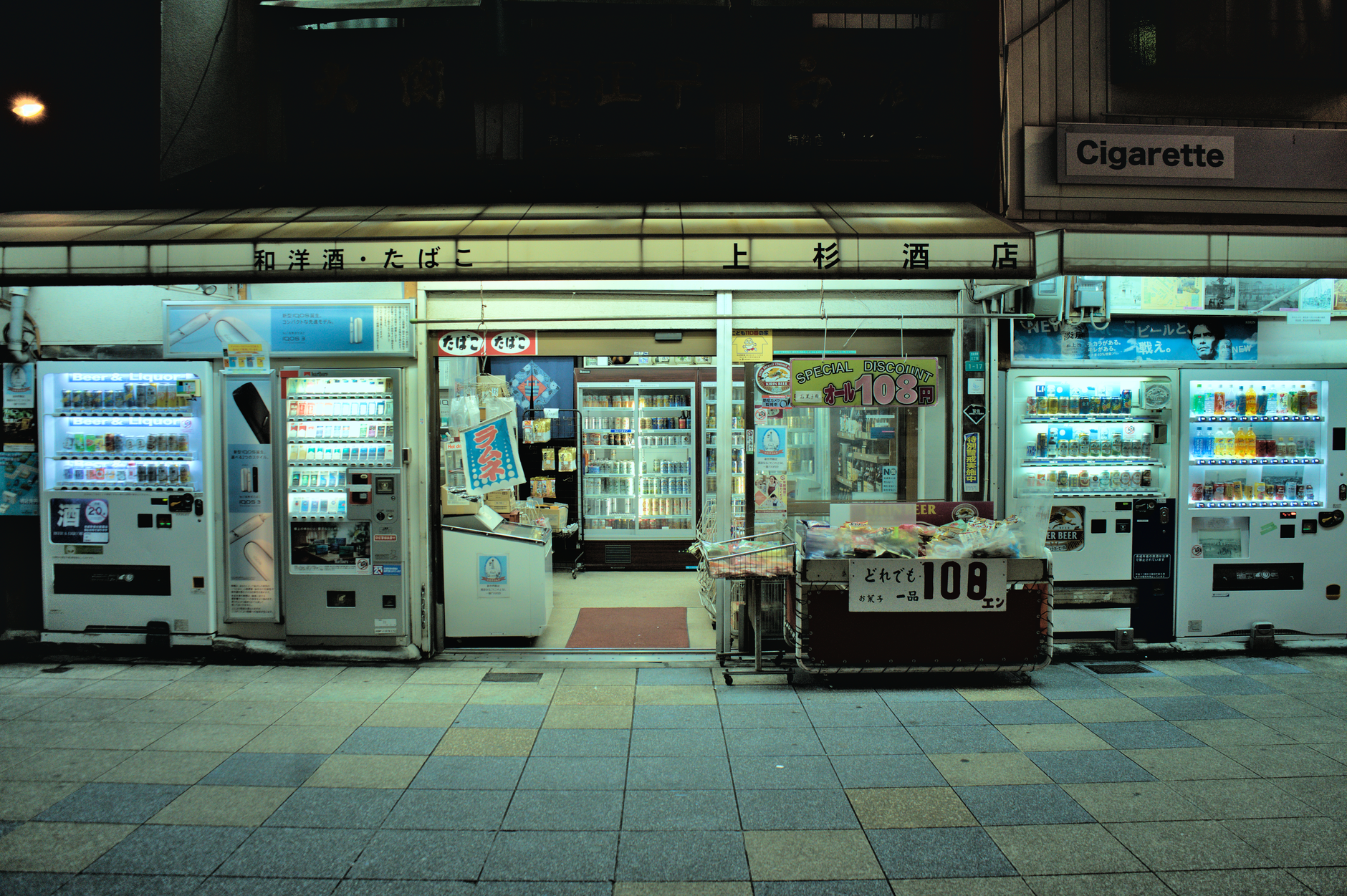
A konbini counter can handle bills, parcels, cash, and ticket printing alongside hot food. Here's what each service actually involves.
Why do shoes come off at the door? A raised genkan separates street dirt from clean floors, with slippers waiting just inside.
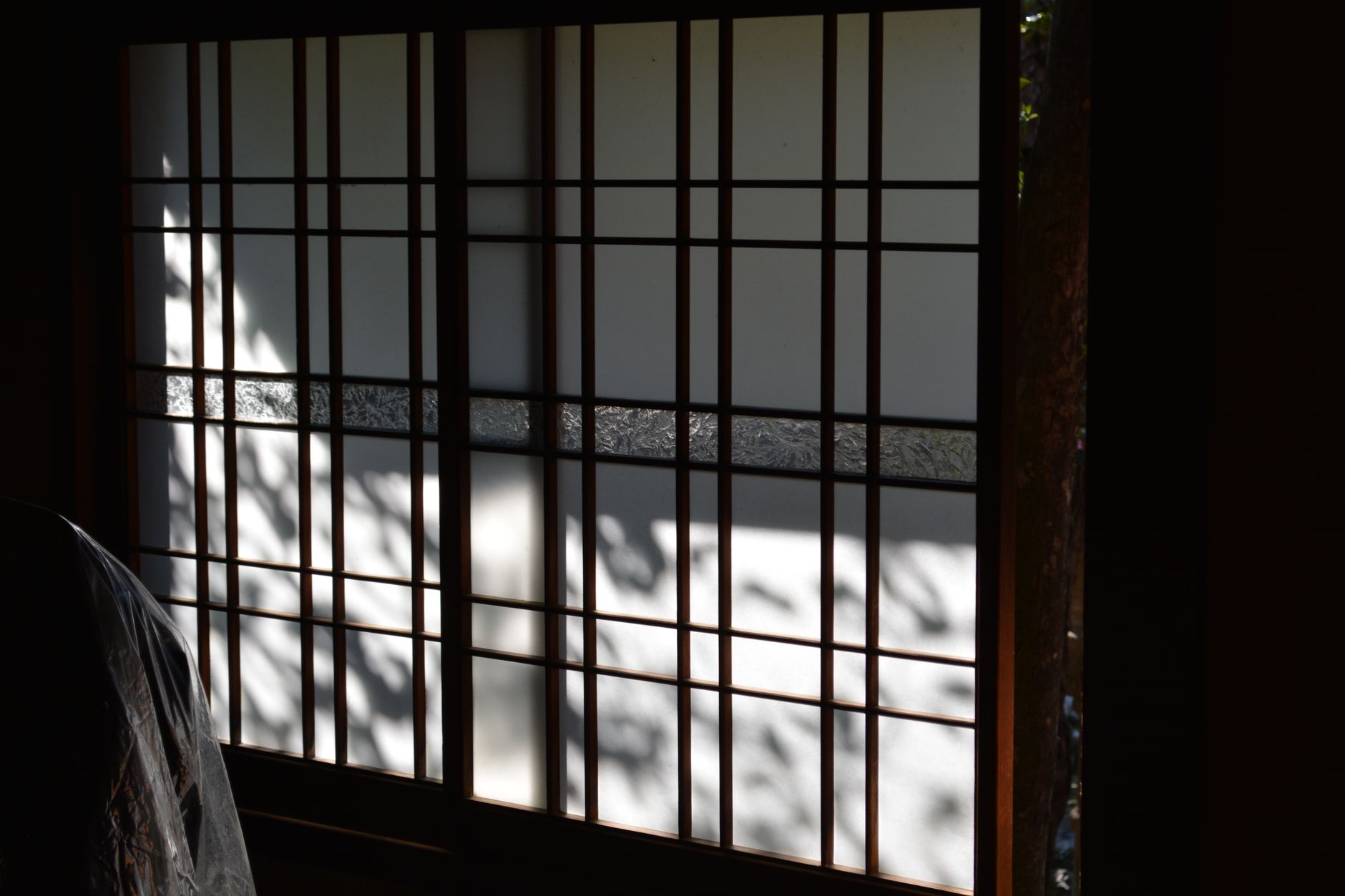
Shoji panels soften daylight through paper, while fusuma block the view. See how both can slide away to turn two rooms into one.