Everyday Japan. Everything Japan.

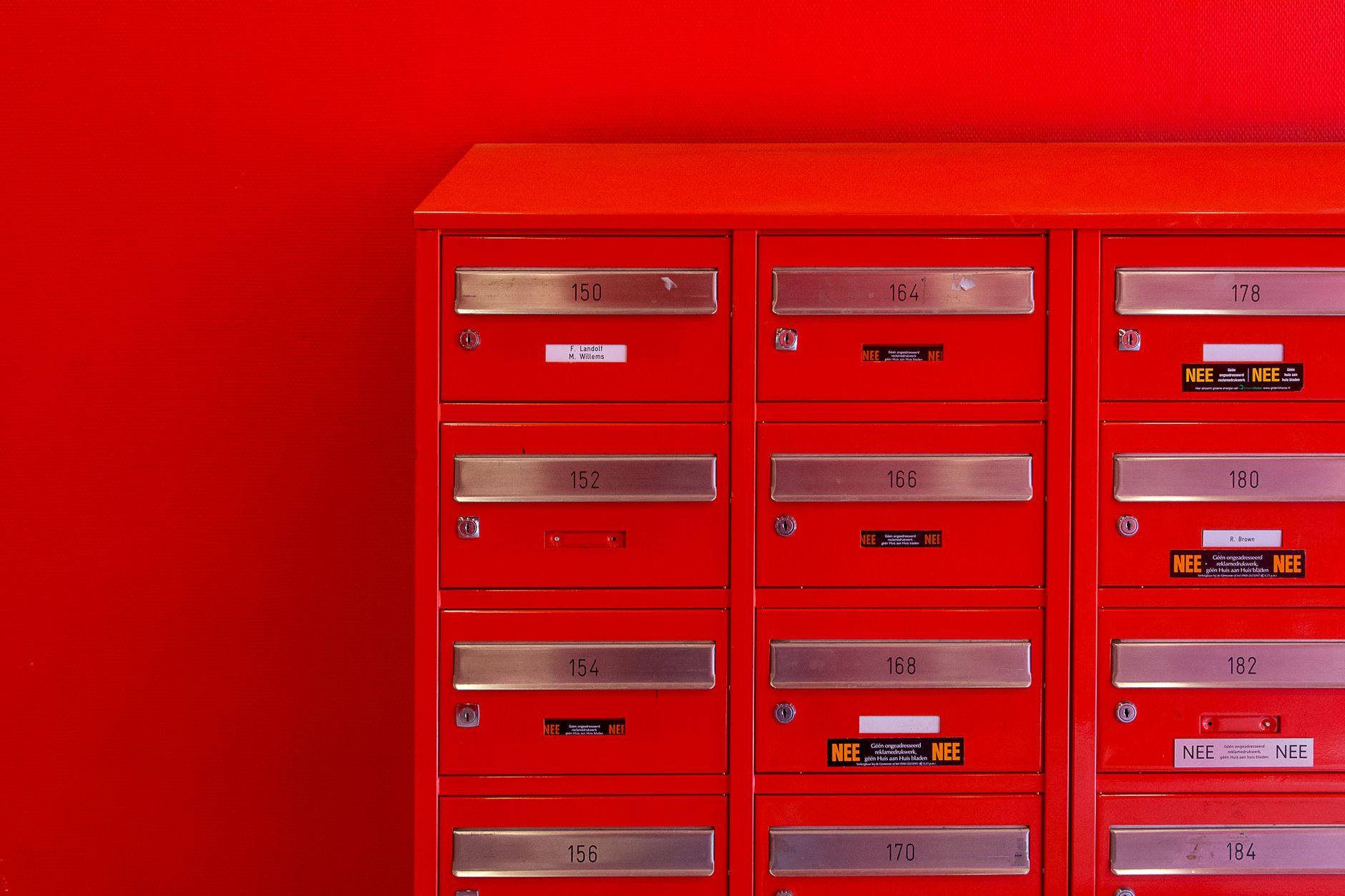
A missed-delivery slip can lead to redelivery, a building locker, or a neighbor. Here's how takkyubin, Japan Post, and Japanese addresses fit together.
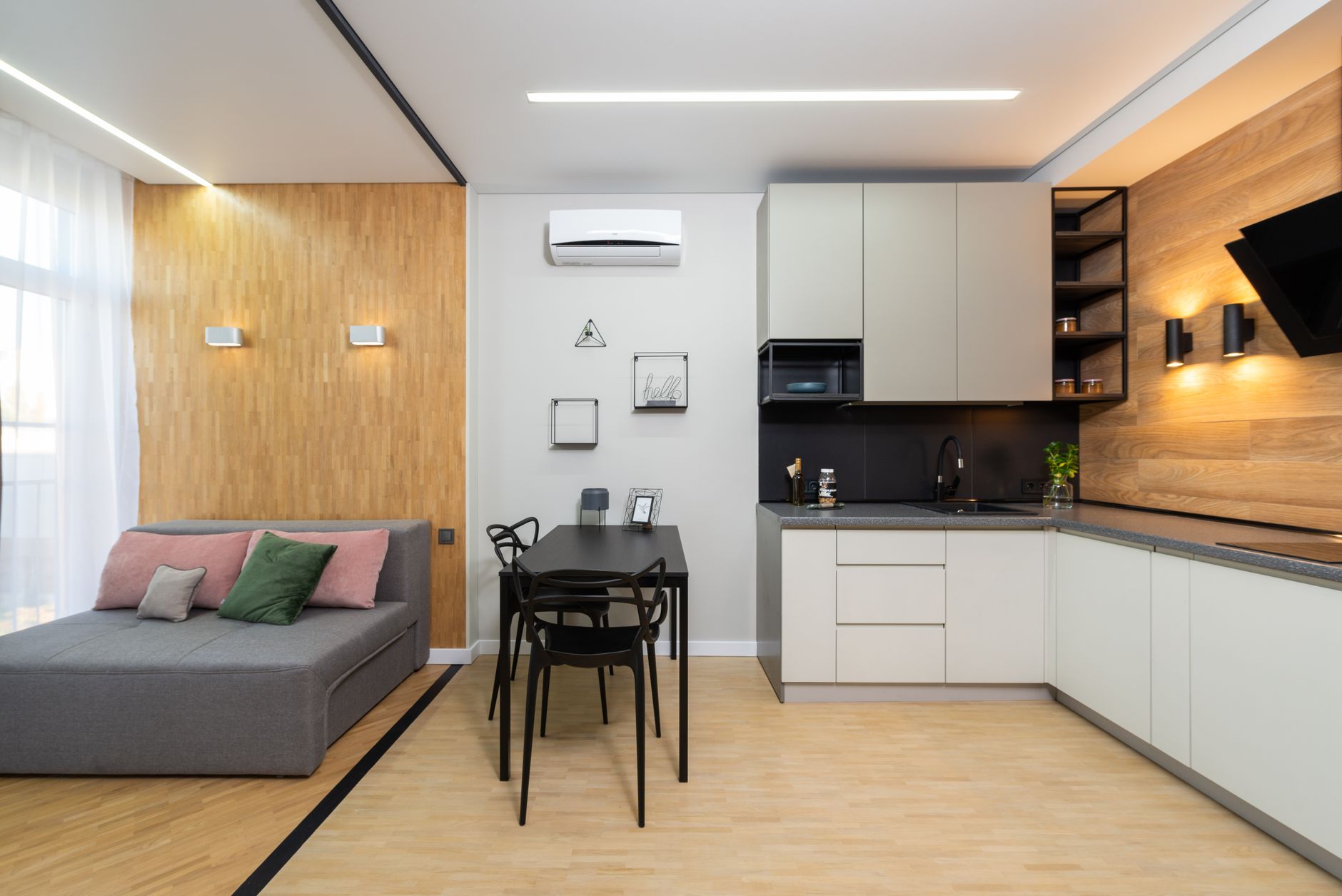
A Japanese rental may include an air conditioner, hob, and bath controls—but no fridge, washing machine, curtains, or light fixture.
Why does an Osaka weather forecast say shito shito or zaa zaa? Japanese onomatopoeia describes rain, texture, pressure, and mood—not just sound.
What does a Japanese futon look like day to day? See how it folds into an oshiire, airs out, and turns one Osaka room back into a living space.
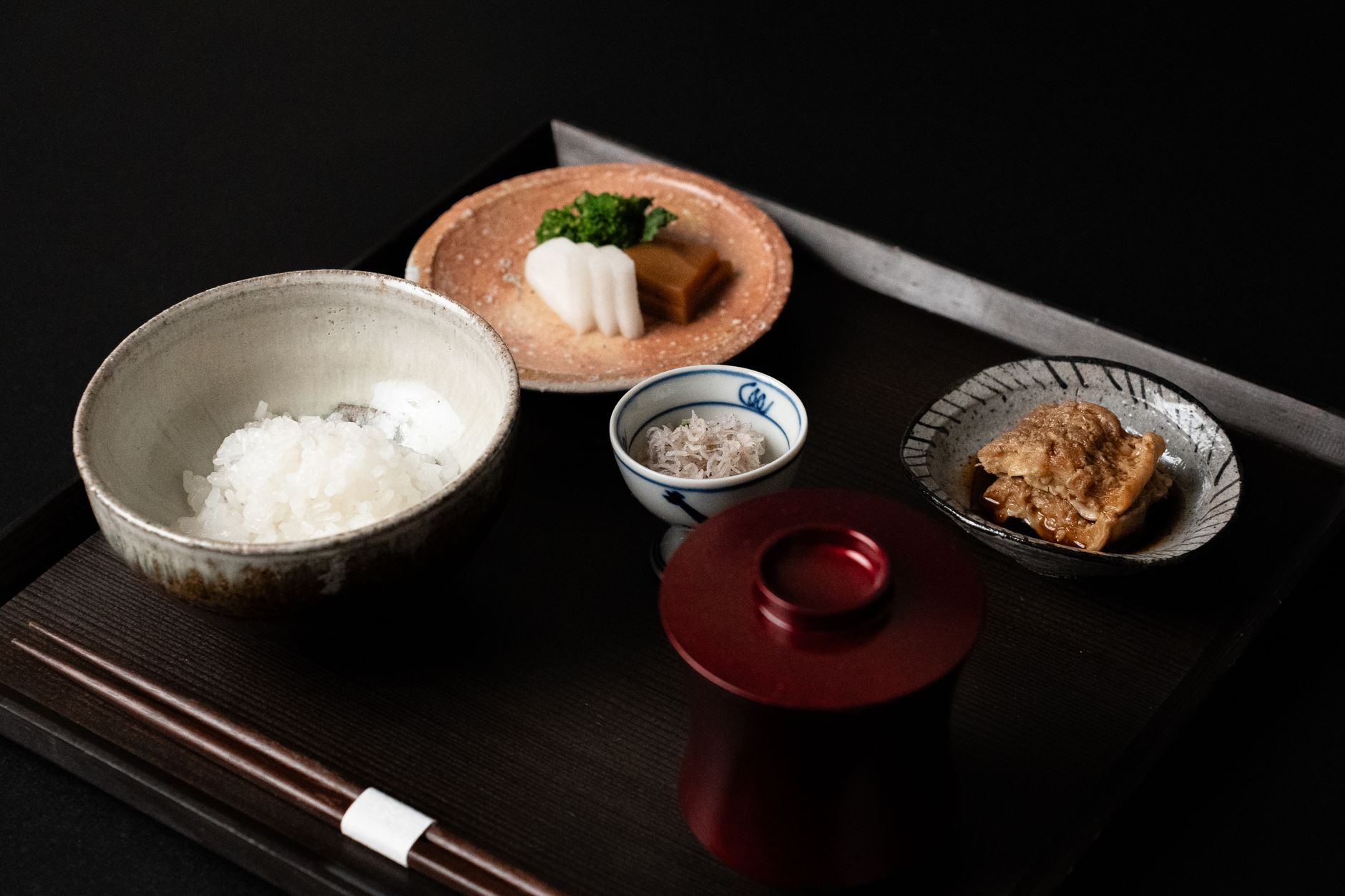
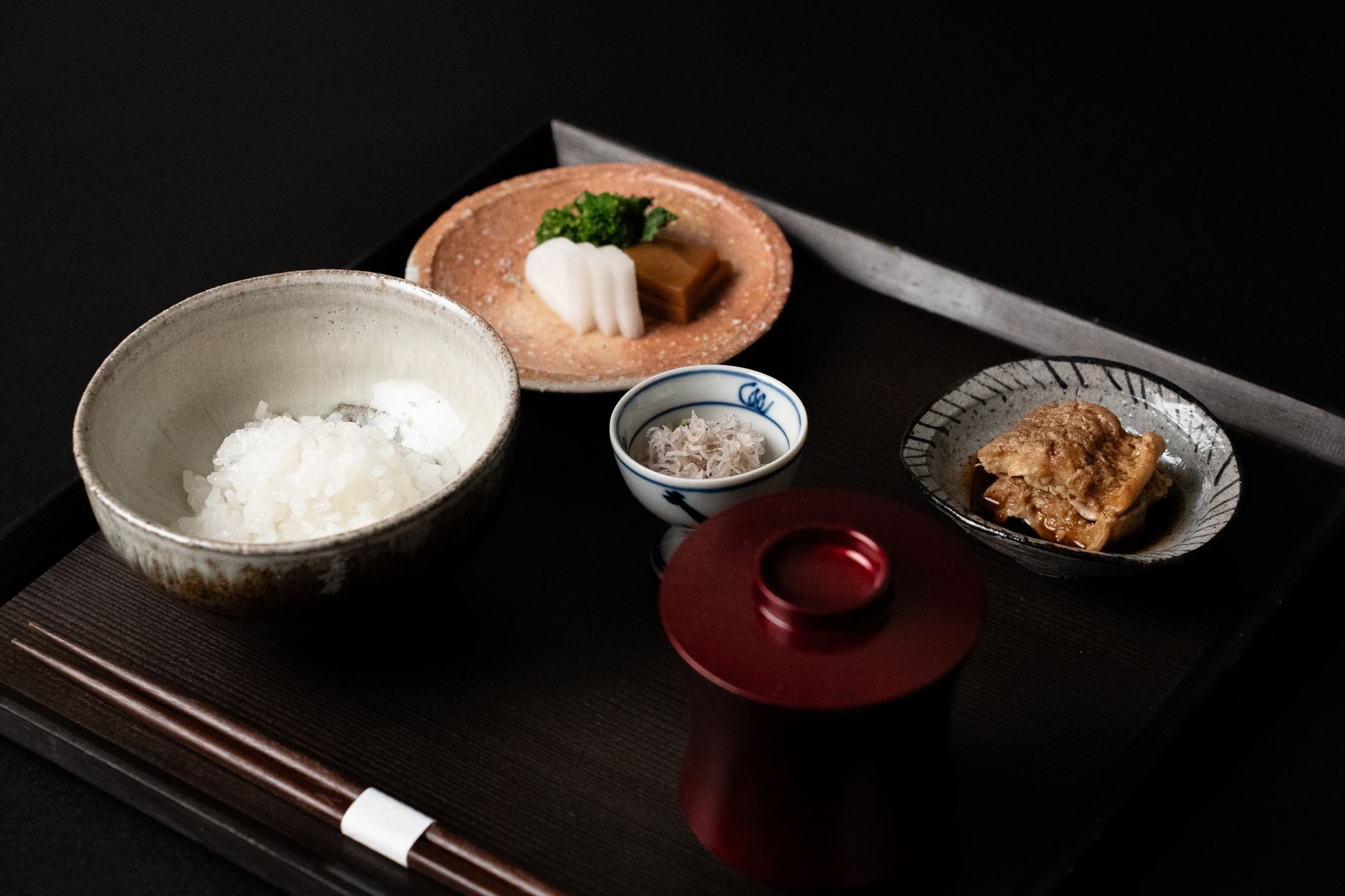
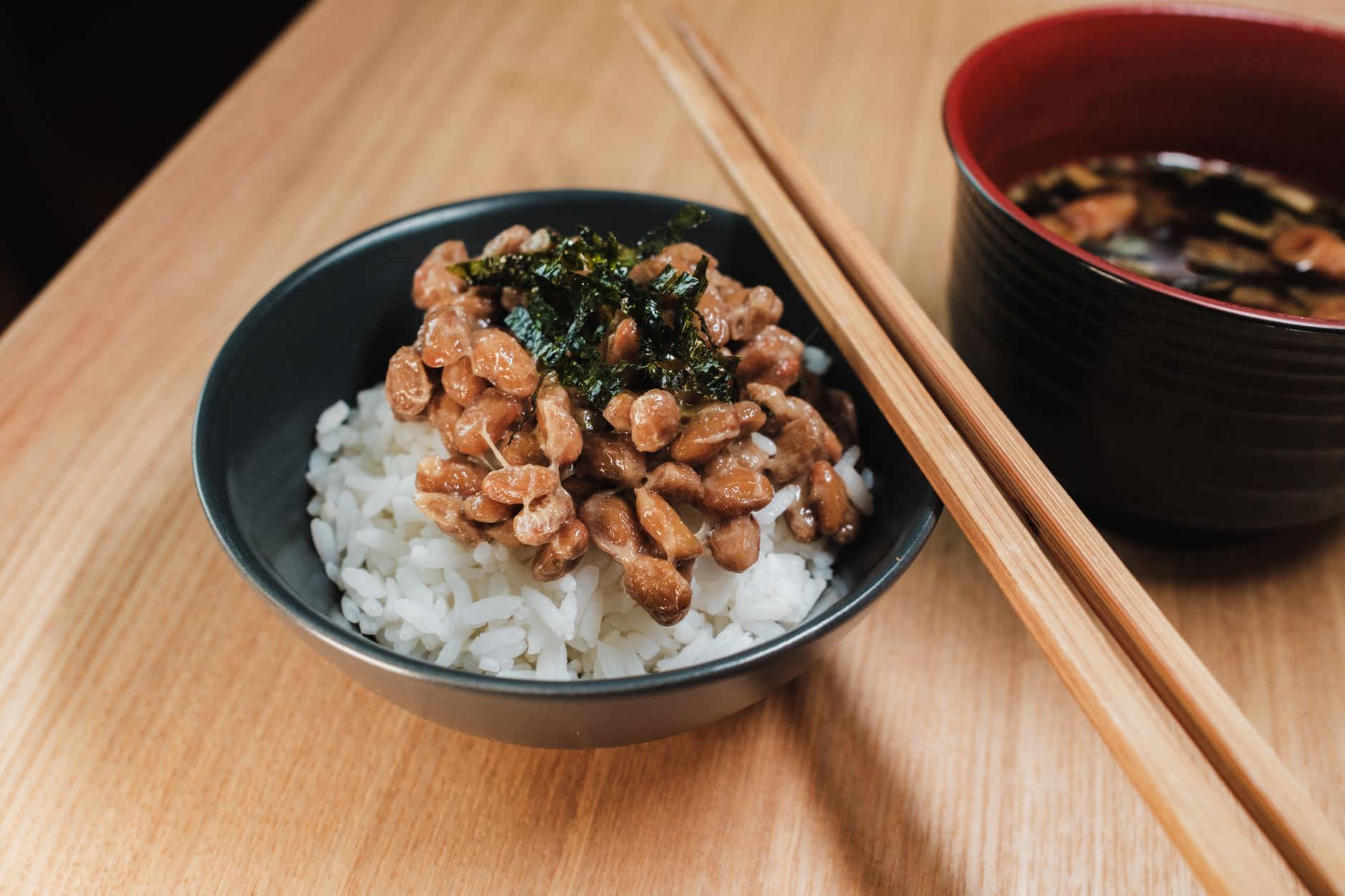
Why does a Japanese set meal look so full? A teishoku tray uses small portions of rice, soup, fish, pickles, and vegetables.
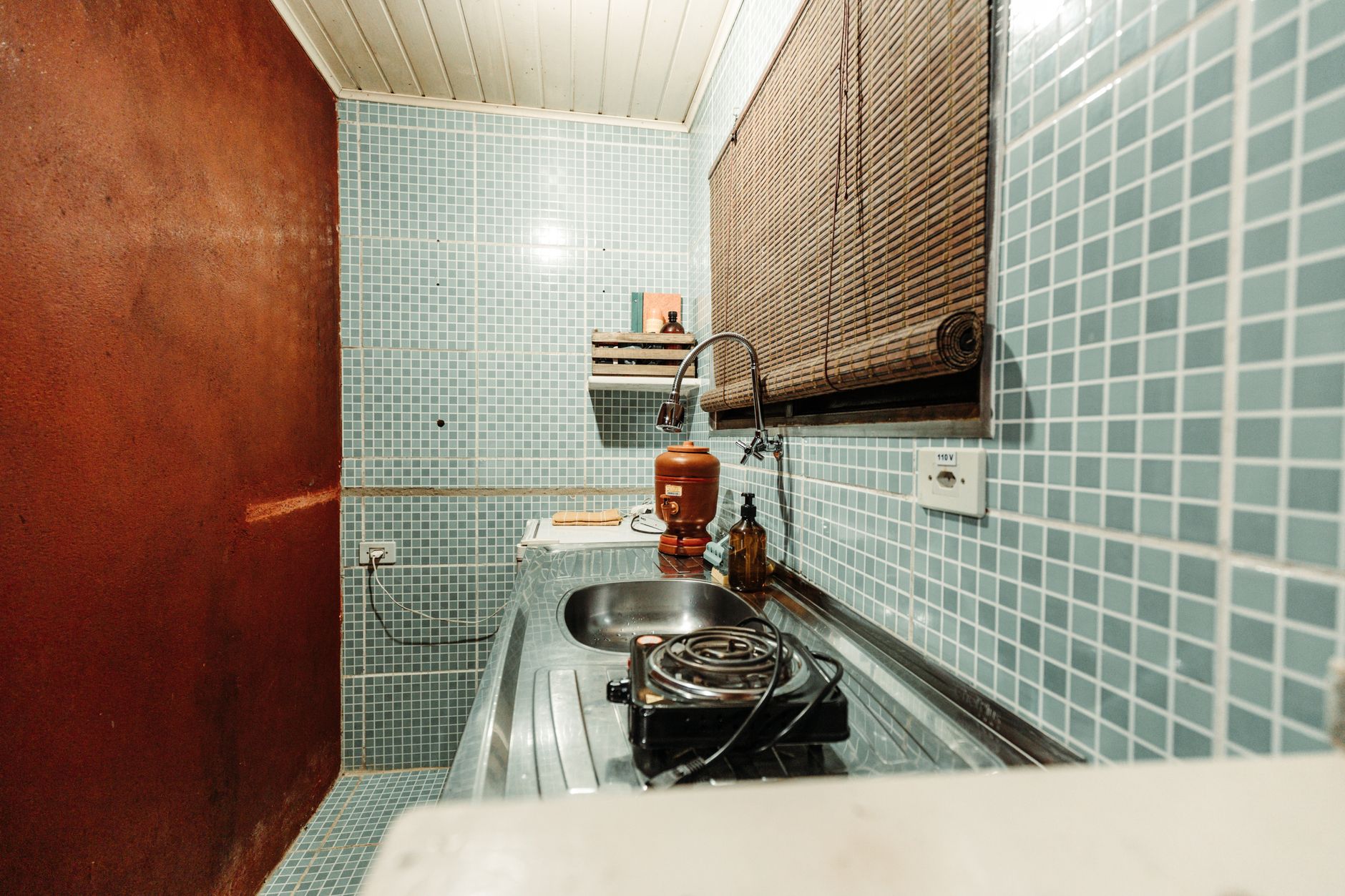
What does a Japanese kitchen look like? A single-line counter, two-burner hob, fish grill, and washing machine fit into an ordinary flat.
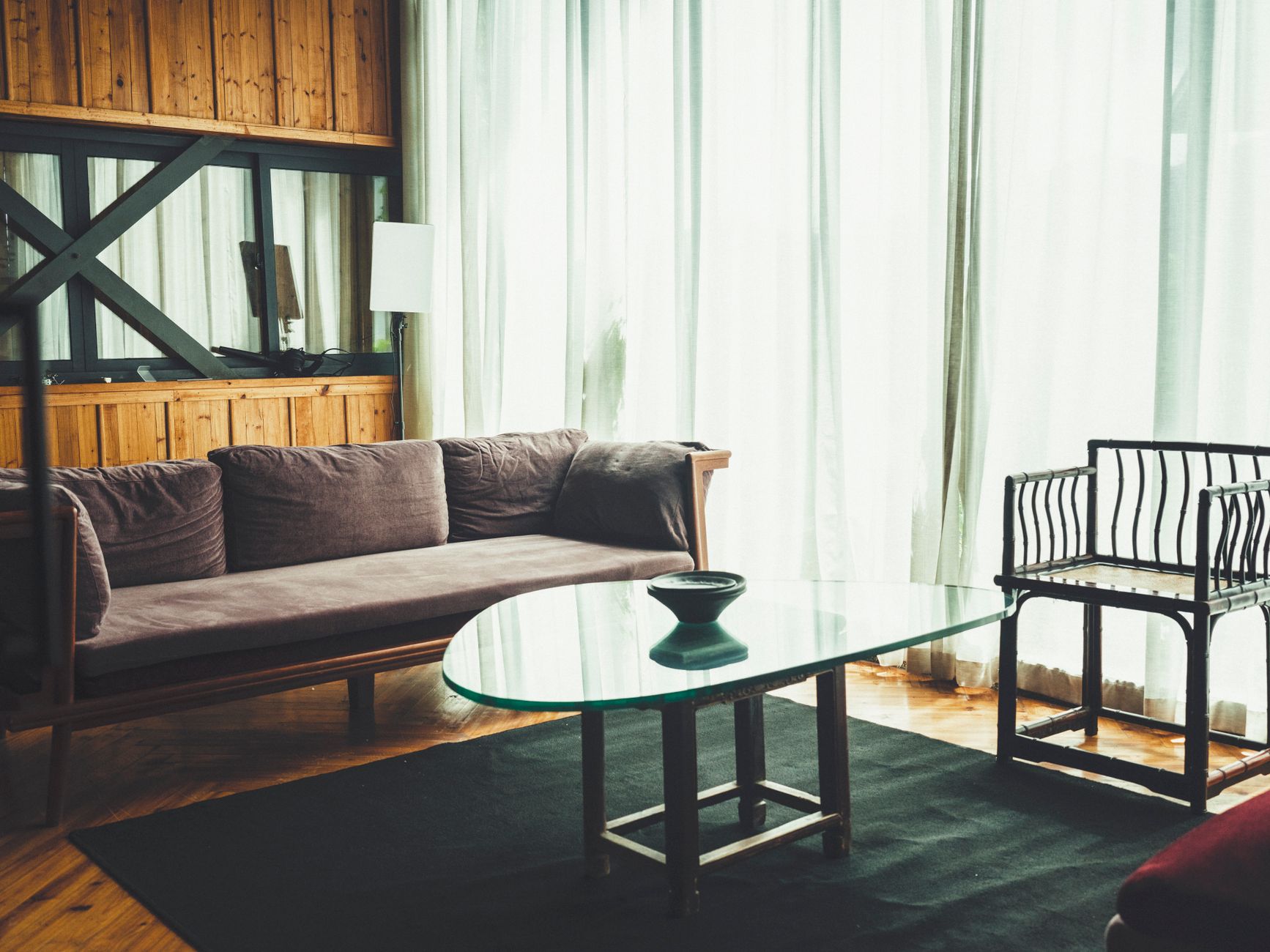
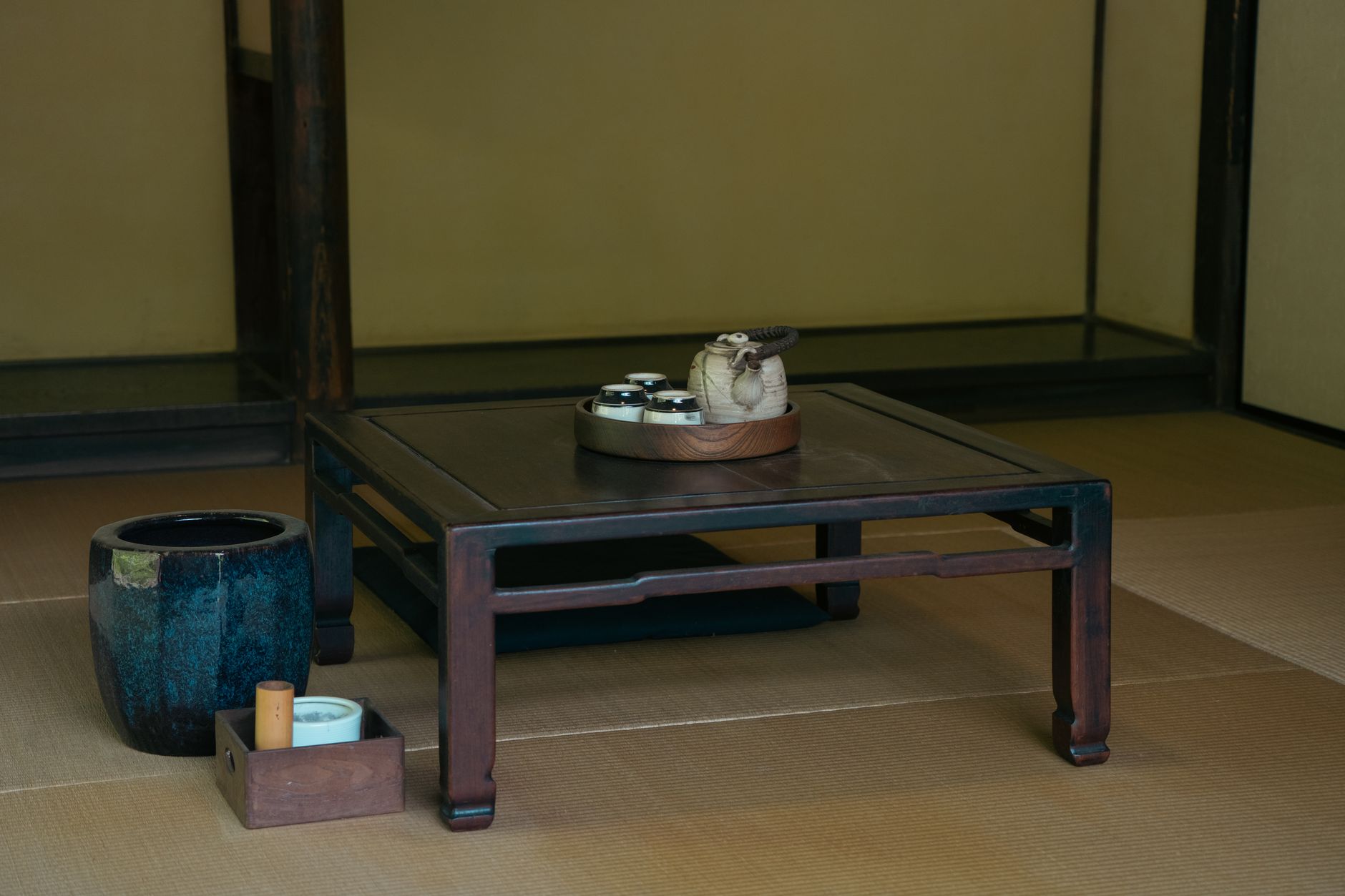
Why is the table only knee-high? A Japanese low table, zabuton cushions, and a folding room layout let one space shift from dinner to sleep.
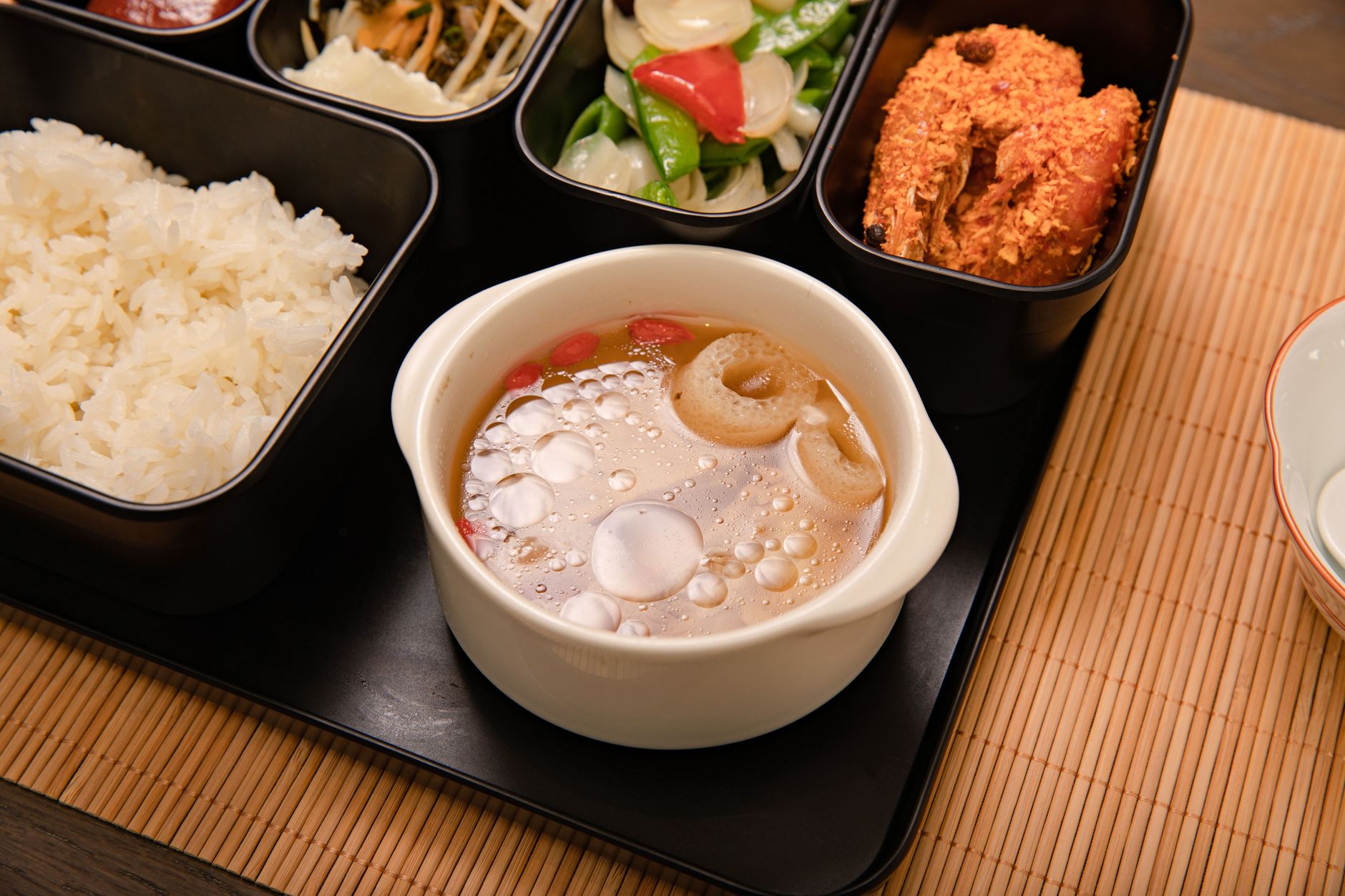
Why does a bento box keep rice, fried chicken, and pickles apart? This everyday lunch is packed flat to travel and eaten straight from the tray.
What do Japanese daily meals look like at home? One Osaka household's week includes rice, miso soup, leftovers, and supermarket deli curry.
What does a six-tatami room mean? See how mat layouts, regional sizes, and furniture shape the way Japanese apartments are measured.
Why are chopsticks never left upright in rice? See how quiet corrections, shared serving chopsticks, and a small hashioki shape ordinary meals.
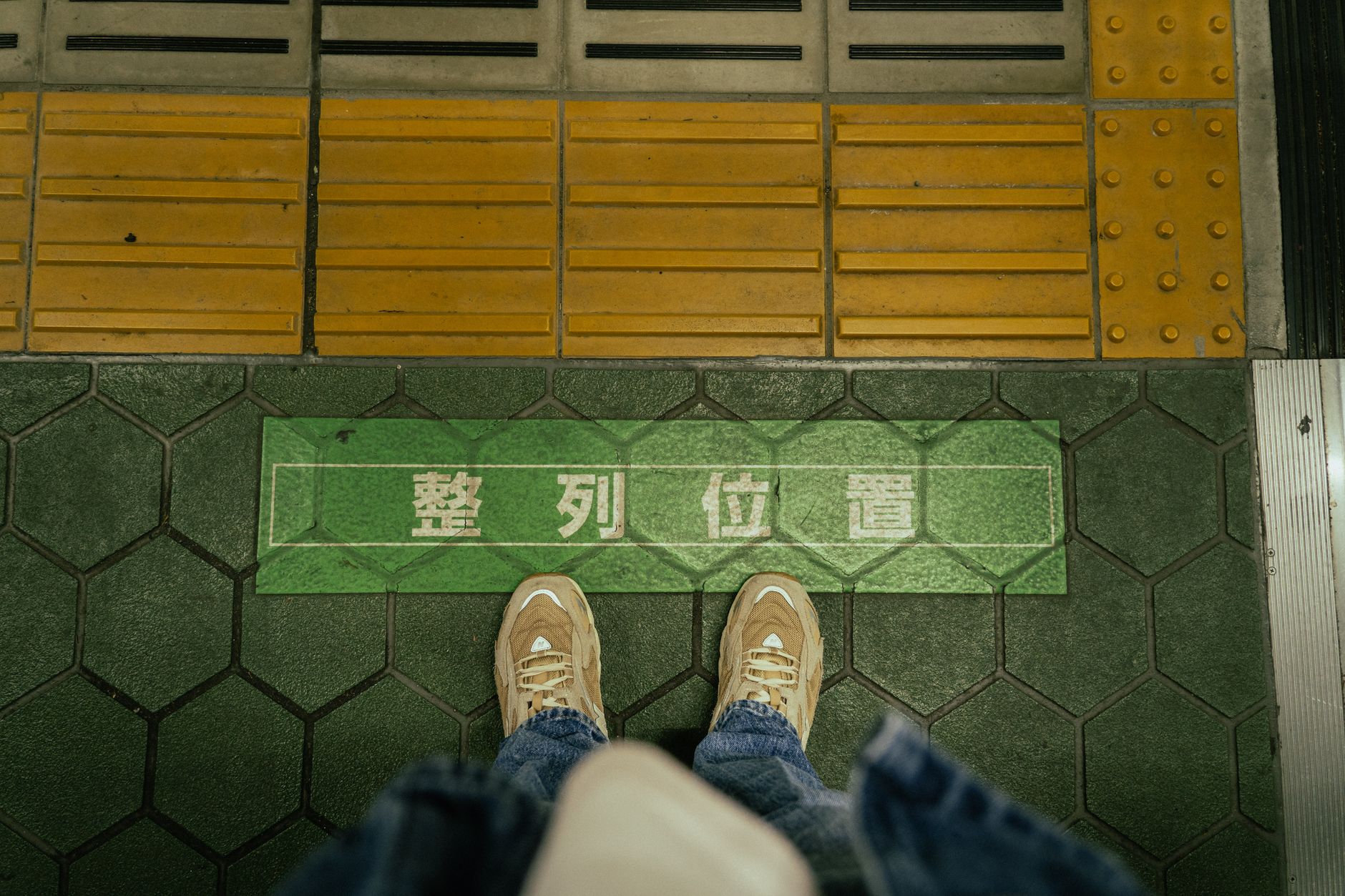
Why do shoes stop at the entryway step? Japanese unwritten rules around queues, quiet trains, shared baths, and missing bins keep common spaces workable.