
Early on, I thought I had asked something wrong. I asked a coworker a straightforward question at lunch, and he didn’t answer right away. The conversation simply stopped. Not awkwardly — or at least not only awkwardly. He held the pause like a turn in a conversation, not a gap in one. That was my first run-in with what I’d later call Japanese silence.
A Pause Is Not Nothing
In English, a silence after a question usually reads as something missing. The person who asked repeats the question, softens it, or fills the gap with another sentence. In a lot of conversations I have had in Osaka, the pause is not missing anything. It is doing something. It can mean the person is choosing an answer carefully, or giving the question more weight than a quick reply would.
That took me a while to see. For the first year or so, I treated a long pause as a sign that my question had landed badly. I would apologize or rephrase it. Usually I was wrong. The person was just taking the time a serious answer needed. The silence was the thinking, not the absence of it.
Where I’d Normally Step In
Back in the Midwest, silence can be uncomfortable. A pause of a few seconds tends to get filled by someone. The person who asked might say “or maybe…” and offer an easier question. In the office where I work now, those same few seconds often stay empty. The asker waits. The answerer holds the pause. Neither seems to find it strange.
This is not universal. Some people here fill silences quickly, especially in casual settings or with close friends. A younger colleague chatting over lunch might not hold a pause at all. A manager in a review might hold one long enough that the clock becomes the loudest thing in the room. The difference is the person, not a national reflex.
What the Pause Is Doing
In the conversations I have, silence seems to do a few different jobs. Sometimes it is simply time to think. A question deserves more than the first available answer, so the pause is where the answer gets assembled. At other times, the pause softens what comes next. A direct “no” can sound harsher than a few seconds of held breath followed by “that’s difficult.”
I proposed something once in an early team meeting. My manager listened, then said nothing. The pause stretched long enough that I started listing reasons. Then he said, “That might be hard,” and moved to the next topic. The words were a soft maybe. The pause before them was the actual no. I learned to listen for that rhythm.
In a Meeting, the Pause Has a Job
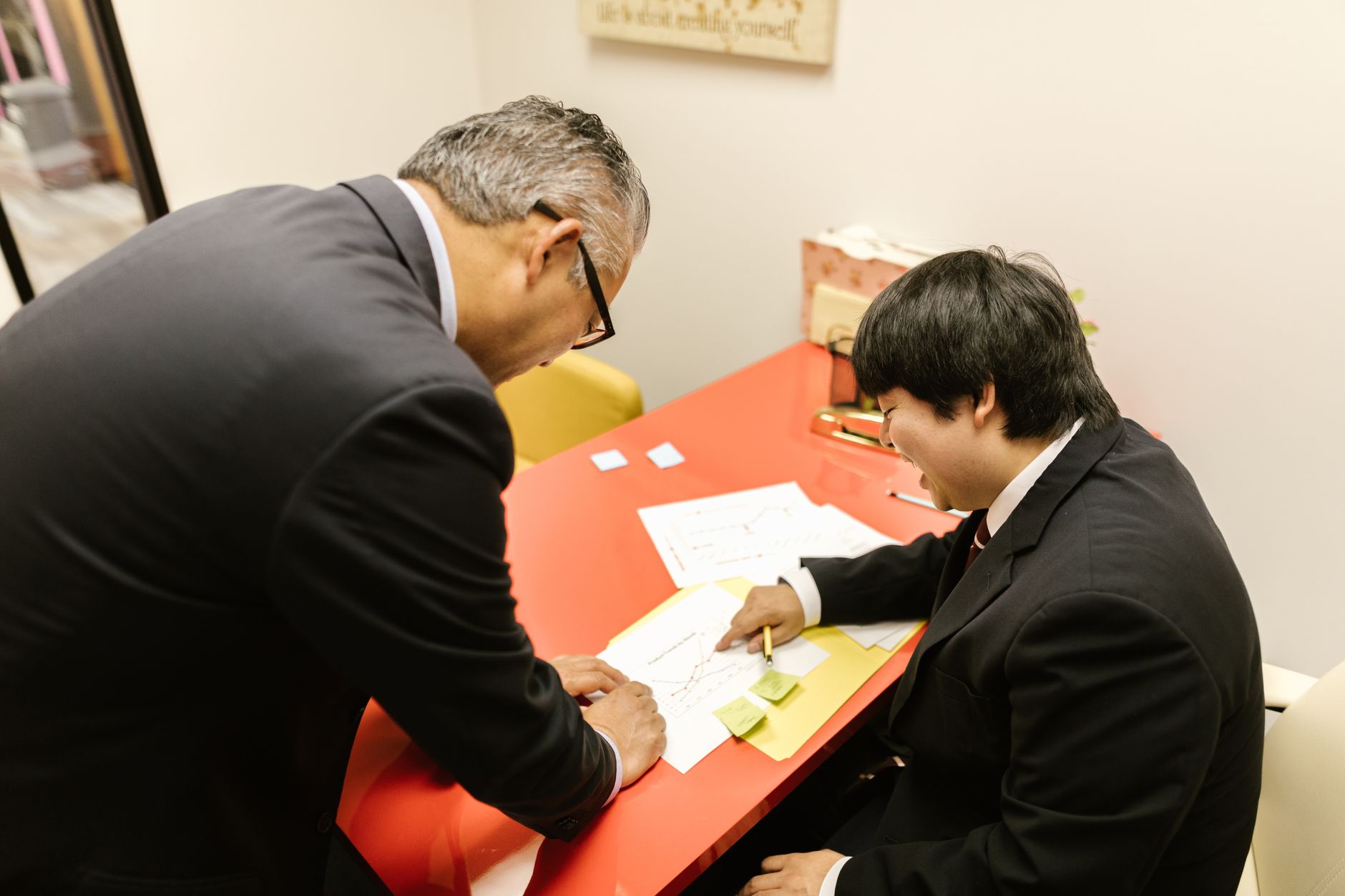
Meetings are where I noticed this most clearly. Someone puts a proposal on the table. A senior person says nothing. The pause is not empty; it is a signal that the proposal is not going to pass in its current form. Nobody states the objection. The silence itself registers it. Then someone else suggests a change, and the conversation moves on.
That kind of silence is not the same as agreement. It is closer to a veto that no one has to sign. The room understands it because they know the rhythm. For a while, I didn’t. I assumed no one had heard the idea. I would repeat it. The second time I said it, the silence got slightly colder.
The Silent “No”
A refusal here often lives in the gap, not in the words. Someone might say chotto (ちょっと), which means “a little,” and then let the sentence trail off. The pause after it is the rest of the refusal. You are expected to hear it. The word itself is not quite a no; the silence completes it.
That sounds mysterious, but it is practical once you have seen it. The speaker does not have to deliver a hard rejection, and the listener does not have to receive one. The pause gives both sides room to move on without naming the thing. It is a kind of soft closing that a direct refusal would make impossible.
The same trailing off appears in requests, not just refusals. A favor is asked. The answer might be “I’ll do what I can,” followed by nothing. In the US, “I’ll do what I can” usually means a yes with conditions. Here, when the sentence is followed by silence instead of a follow-up, it often means the answer is no, but nobody has to say it.
Not Everyone Holds Silence the Same Way
The biggest mistake I made early on was treating these pauses as one thing. They are not. Close friends interrupted each other’s silences all the time. Younger staff at casual lunches filled pauses faster than older managers in meetings. A formal setting held silence longer than a meal. The same pause in a different relationship could mean something completely different.
Where I live, in Osaka, the rhythm can be quicker. People still use silence, but the threshold for filling it feels lower than in some formal settings. I have written before about Kansai-ben and why Osaka sounds different; part of it is this. A pause that would hold two seconds in a formal meeting might get stepped on in a casual Osaka exchange.
Between the Small Noises
Conversations here often use a set of small response sounds called aizuchi (相槌) — the un, hai, and ee that mean “I’m listening.” Silence is the other half of that system. Aizuchi keeps the rhythm going when someone is following along. Silence takes over when the listener is working on something: a refusal, a careful answer, or a disagreement that needs softening.
The two can be hard to separate at first. A listener might give a few small nods, then go quiet. That quiet is not the listener checking out. Often it is the moment the listener is deciding what to actually say. The aizuchi stops because the easy part — agreement — is over, and the harder part is starting.
Silence Outside the Office
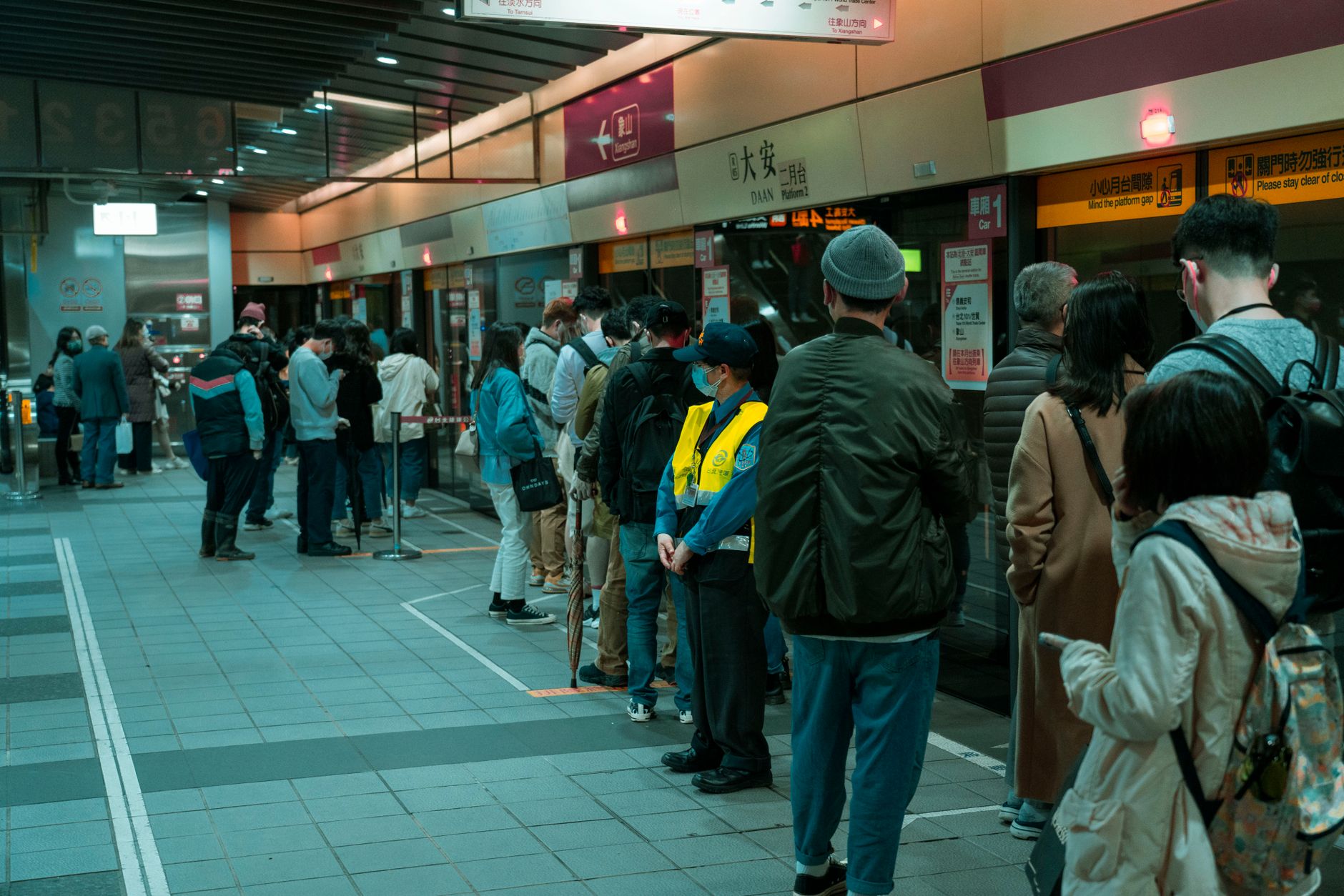
The same rhythm shows up in small everyday encounters. A cashier counts change without chatting. A neighbor nods and says nothing. A station platform quiets between announcements. None of this means coldness. It is the background setting where conversation, when it does happen, is given room.
The first time I stood in a quiet line at a post office, I thought something was wrong. Back home, a long line generates chatter, complaints, small jokes. Here, the same line can be nearly silent. It is not unhappiness. It is just that nobody finds the silence in need of repair.
Once I stopped needing the silence to be filled, I noticed how much it carried. A shopkeeper’s pause before answering a question about a product was not rudeness; it was the same choosing time I saw in meetings. The scale was smaller, but the move was the same.
What I Still Get Wrong
I still misread these pauses, even after years here. Sometimes a silence is just someone searching for an English word. Sometimes it is tiredness or irritation. Sometimes the person is simply done talking. Assigning a deep meaning to every quiet moment is as much a trap as ignoring the quiet entirely.
But the useful shift was noticing that silence can be a move. Once I stopped treating a pause as a hole I needed to fill, conversations got easier. I let the quiet sit. More often than not, the other person used it and came back with a better answer than the one I had tried to rush.