
What You Notice First
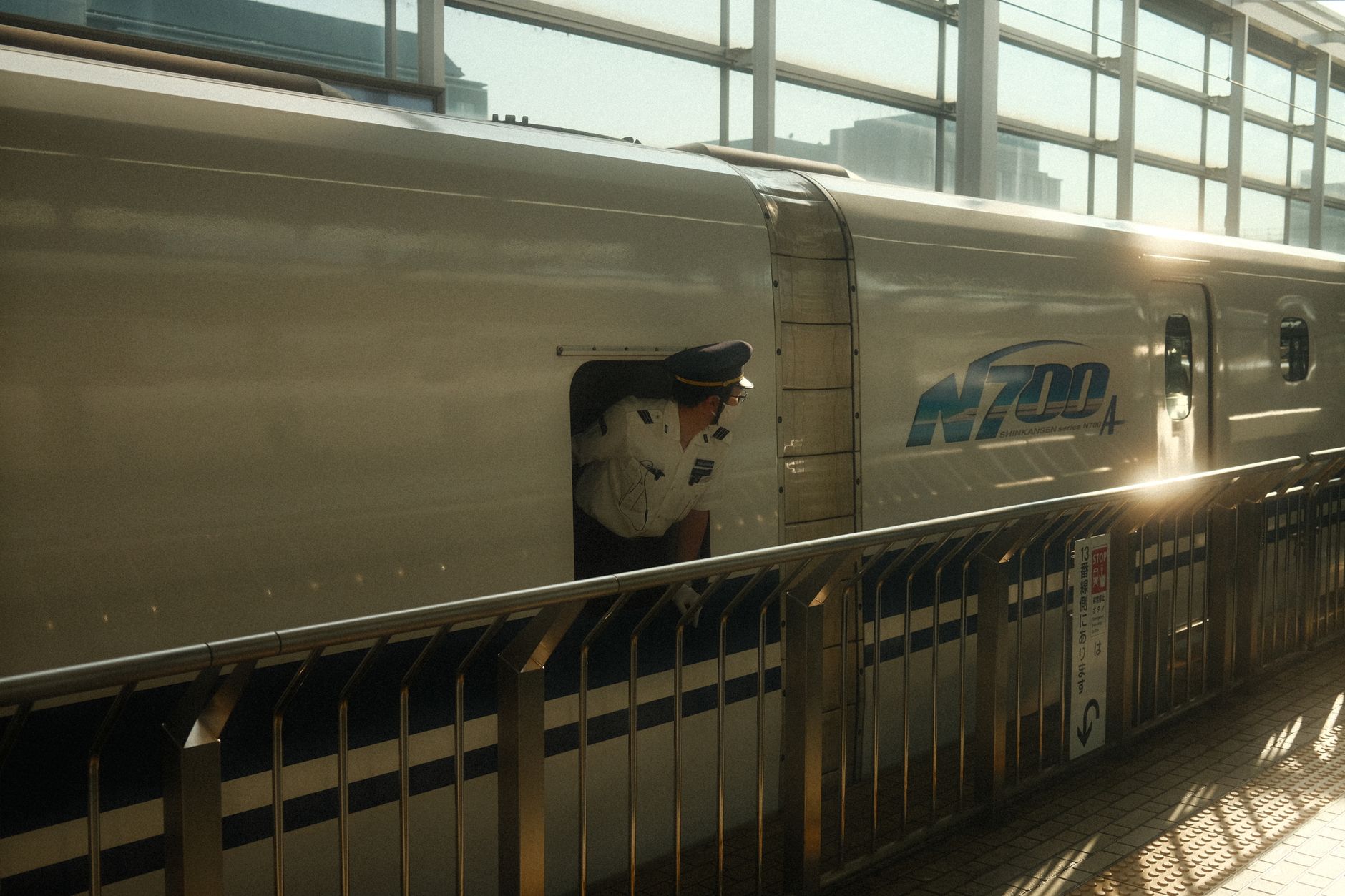
At first, the bowing in Japan is everywhere. A clerk dips her head as she hands you the receipt. A train conductor turns at the end of the car and bows to an empty aisle. Two neighbors do it at the same moment, and neither one quite looks at the other.
Then you stop seeing it. That is when it gets more interesting, because a bow is not one thing. What varies is the depth, how long it is held, whether the eyes drop, and where the hands stay.
The generic word is ojigi (お辞儀). I learned that later. For months I just thought of it as the nod people gave instead of a wave.
What Actually Varies
The everyday version is barely a bow. The head tilts forward a few degrees and comes back fast. The eyes often stay on the other person’s face, or on the floor near their feet. The hands stay wherever they already were — pockets, a shopping bag, a bicycle handle.
A deeper bow changes all of that. The back bends from the waist, the head drops further, and the movement slows. The hold matters as much as the angle. A quick deep bow reads as impatient. A longer one reads as deliberate.
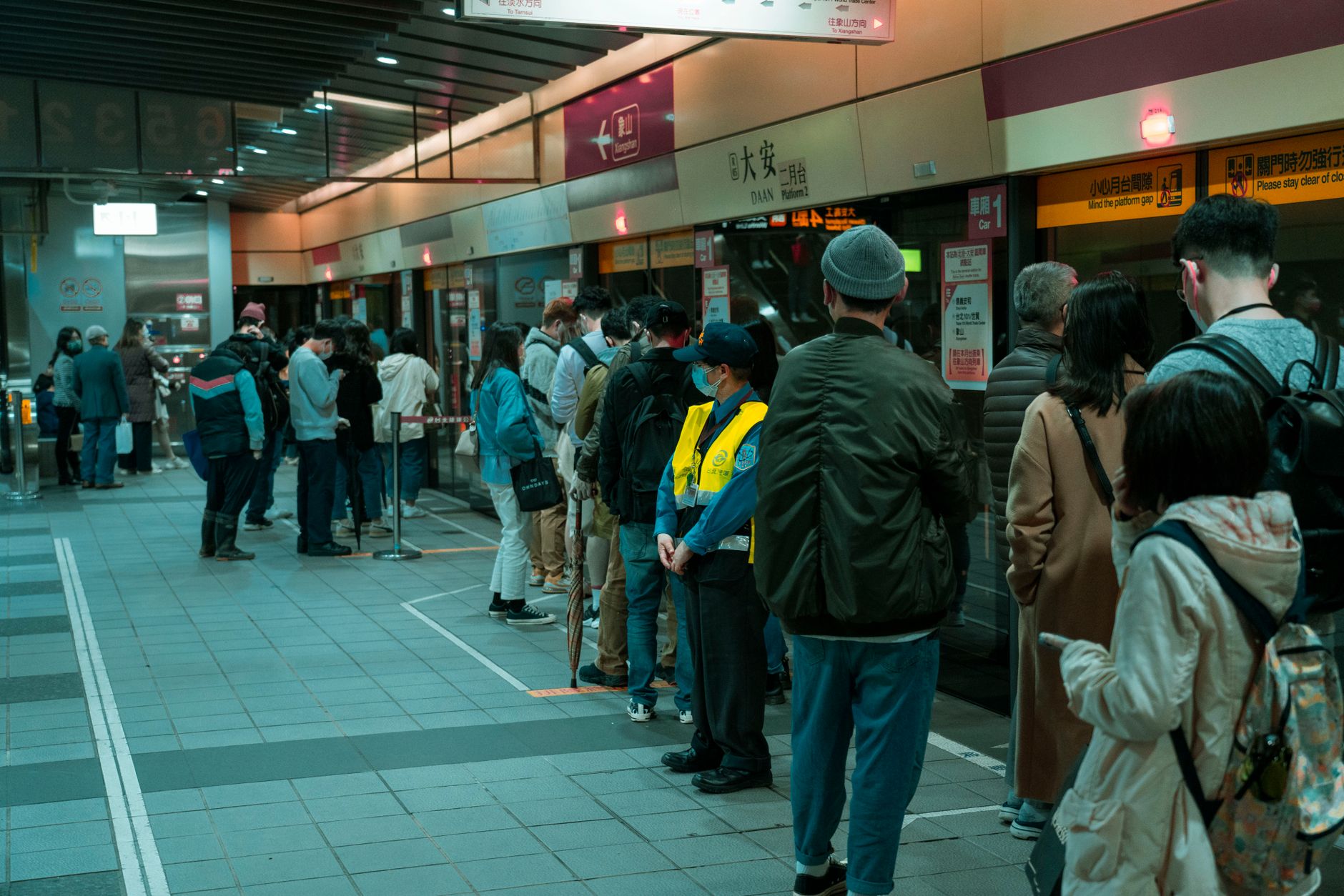
The hands have their own grammar. In a formal bow they rest at the sides, or in front for a woman, and they do not move. On a crowded platform you see a smaller version: someone bends just enough to pass, one hand on a bag, the other gripping a strap.
The Nod That Replaces “Thanks”
Most of the bows I see in a day are not greetings. They are acknowledgments. The cashier’s head dips while the receipt prints. The station attendant nods as you pass the gate. Nobody stops walking. It works more like a small “got it” than a formal gesture.
This is the one visitors misread most. A clerk’s nod is not a declaration of respect for you personally. It is closer to the way a driver raises a hand when you let them merge. It keeps the flow moving.
Once I noticed that, the whole thing looked less ceremonial. Most bows are small, half-formed, and gone before you can measure them. The formality is the exception, not the rule.
Back home, a quick nod or a “thanks” does the same job without anyone thinking about it. Here it just has a little more shape.
The Greeting Between People Who Know Each Other
Between friends or coworkers who see each other every day, the bow shrinks. It might be a tilt of the head and an “ohayō” at the same time. Two people often bow at slightly different depths without caring. It is not a failed performance; it is an ordinary hello.
The interesting part is the timing. Two people who know each other can bow at the same moment and still keep talking. It happens while one person is already reaching for a door, or halfway through a sentence. The bow is not the main event.
Where I live, people who are close usually bow less. They nod, wave, or just start talking. A big formal bow between friends would feel wrong, the way a firm handshake with your brother might.
When the Bow Gets Deep
The bow people write about is the formal one. It appears at ceremonies, apologies, and business settings. The back bends from the waist. The head drops. The movement is slower, and the hold at the bottom is part of the message.
A deep bow held for several seconds usually signals an apology or a serious request. The person receiving it does not always bow back at the same depth. The difference between the two bows is part of what says who is asking and who is in a position to accept.
I do not read these perfectly. I know when a bow is heavy, but the fine grades still escape me. What I can say is that the deep bow is rare in daily life. Most people go weeks without seeing one.
The Held Bow and the Service Script
There is another kind that looks formal but is not. Train conductors bow when they enter and leave a car, even when nobody is watching. Department store staff bow as you step into an elevator. The script matters more than the audience.
This is the part I found hardest to read at first. A conductor’s bow is directed at the empty platform, or the back wall, or the space above the seats. It is not for you. It is the completion of a role.
That changes what the bow conveys. It says the person is still inside the job. It is closer to a soldier’s salute than a greeting. The fact that no one is watching may be the point.
When Nobody Bows
Plenty of situations involve no bow at all. Friends sprawled on a sofa do not bow. A parent picking up a child from nursery might nod at the teacher and then hug the kid. Two people texting across a table are not bowing.
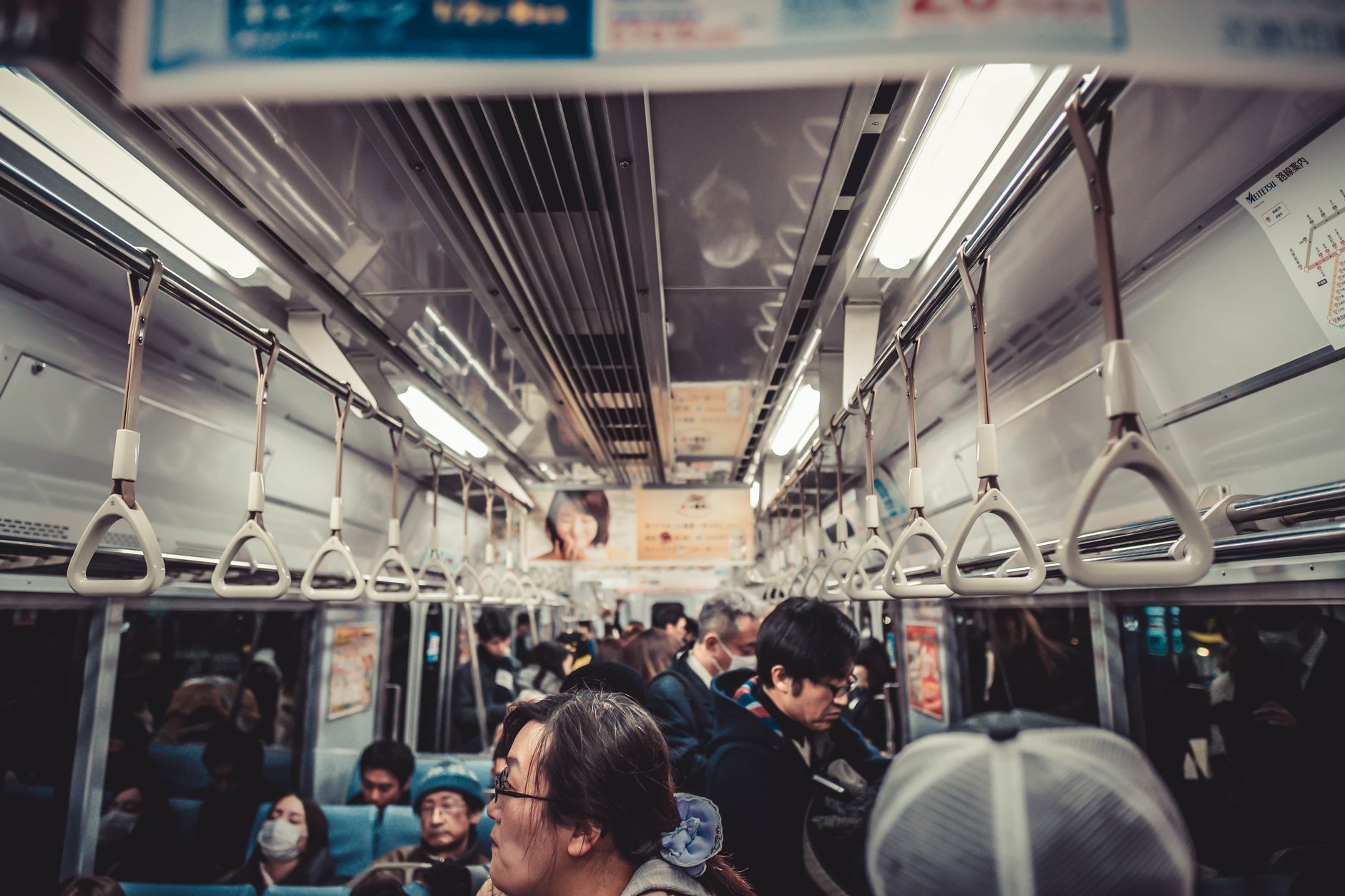
In casual settings, a wave or a grunt does the work. On a busy train, nobody bows. They adjust their bags, check their phones, and ignore the people three centimeters away. The bow belongs to transitions, not to every interaction.
That was the real adjustment for me. I had expected bowing to be constant and precise. It turned out to be routine and patchy, the way manners are anywhere. Most of it happens at the edges of an interaction, not in the middle.
What It Actually Conveys
A bow is less about feeling than about position. It marks who is handing something over, who is receiving it, and that both people know the difference. The depth and the hold are not emotion; they are calibration.
Reading it that way helped me stop overthinking it. I used to worry about bowing back correctly. Then I noticed that most people do not care. They bow as they would blink — automatically, and at whatever depth the moment seems to call for.
The closest American equivalent might be the small nod men give each other across a parking lot, or the way a store greeter says hello. It is not a deep expression of anything. It is the social floor — the thing that keeps two people from walking into each other.
It belongs to the same layer of choreography as taking your shoes off at the door — a boundary marker that keeps a moment from spilling into the next. Most people never think about it, which is exactly how it works.