Skip to content
Living
Food & Drink
Out & About
Customs
Communication
Money & Admin
Work
Living
Food & Drink
Out & About
Customs
Communication
Money & Admin
Work
Home
Everyday Japan. Everything Japan.
Communication
October 16, 2026
How Japanese Conversation Works
Why can “hai” mean “I’m listening,” not yes? Japanese conversation uses aizuchi, pauses, softened refusals, and context to keep talk moving.
Customs
October 15, 2026
What a Sento Is Like: Japan’s Public Bathing Tradition
What happens inside a sento? Shoe lockers, low washing stools, and a shared hot bath explain how a neighborhood public bath works.
Communication
October 15, 2026
Why Japanese Often Softens a Direct No
Why does a Japanese no sound like “that’s difficult”? See how pauses, chotto, and workplace relationships turn refusals into softer answers.
Communication
October 15, 2026
Indirectness in Japanese: What “It’s Difficult” Actually Means
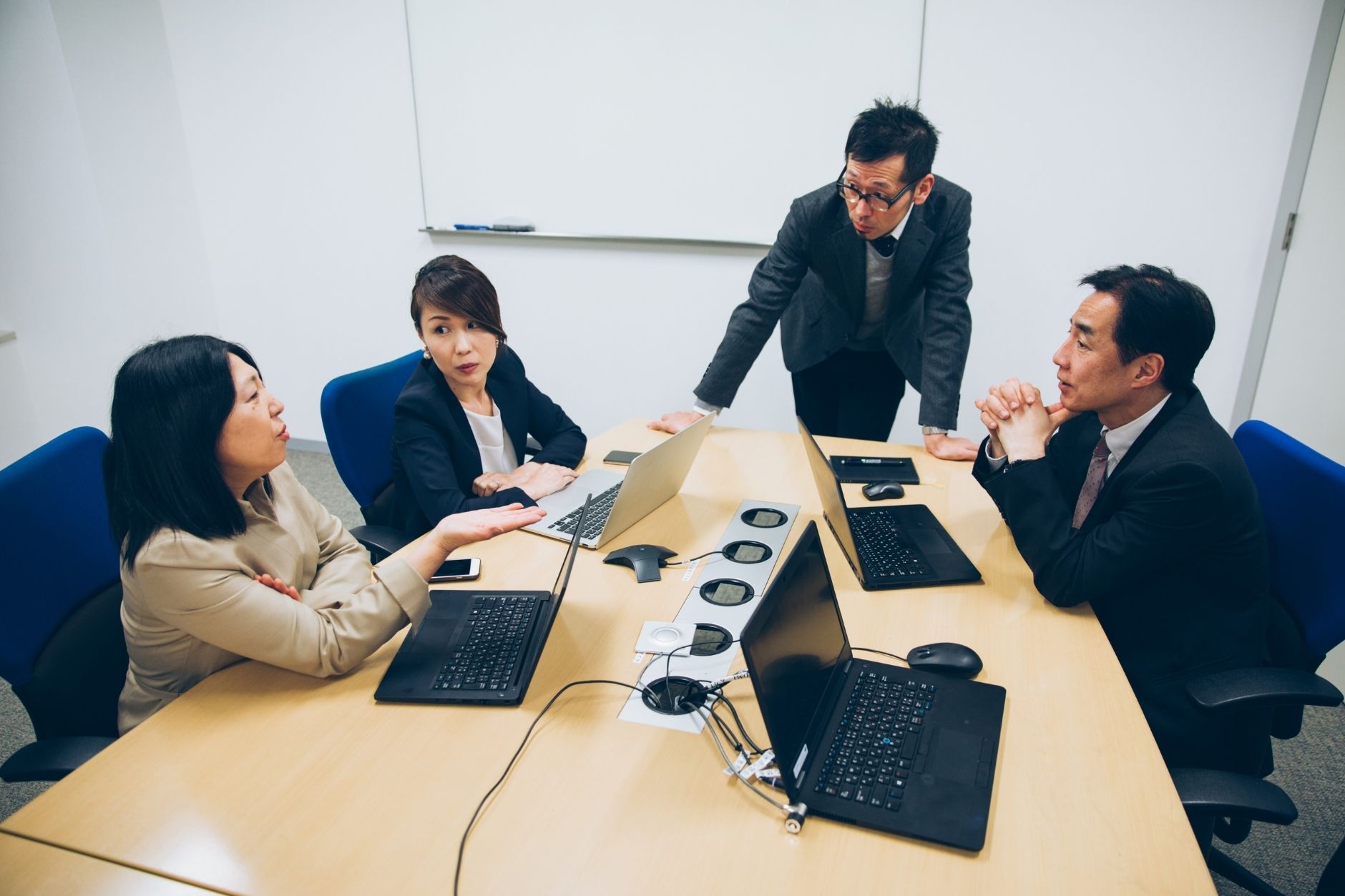
What does chotto muzukashii mean? In a meeting, “a little difficult” may signal no—if you listen to the pause and the situation around it.
Communication
October 15, 2026
Why Japanese Conversation Has So Many Small Noises (Aizuchi)
Why does hai not always mean yes? Aizuchi are the small sounds that show someone is following a conversation, especially on the phone.
Out & About
October 15, 2026
Everyday Conveniences in Japan: What’s There and How It Works
What fills the gaps between errands in Osaka? Konbini, vending machines, coin laundries, public restrooms, and lockers make ordinary days easier.
Out & About
October 15, 2026
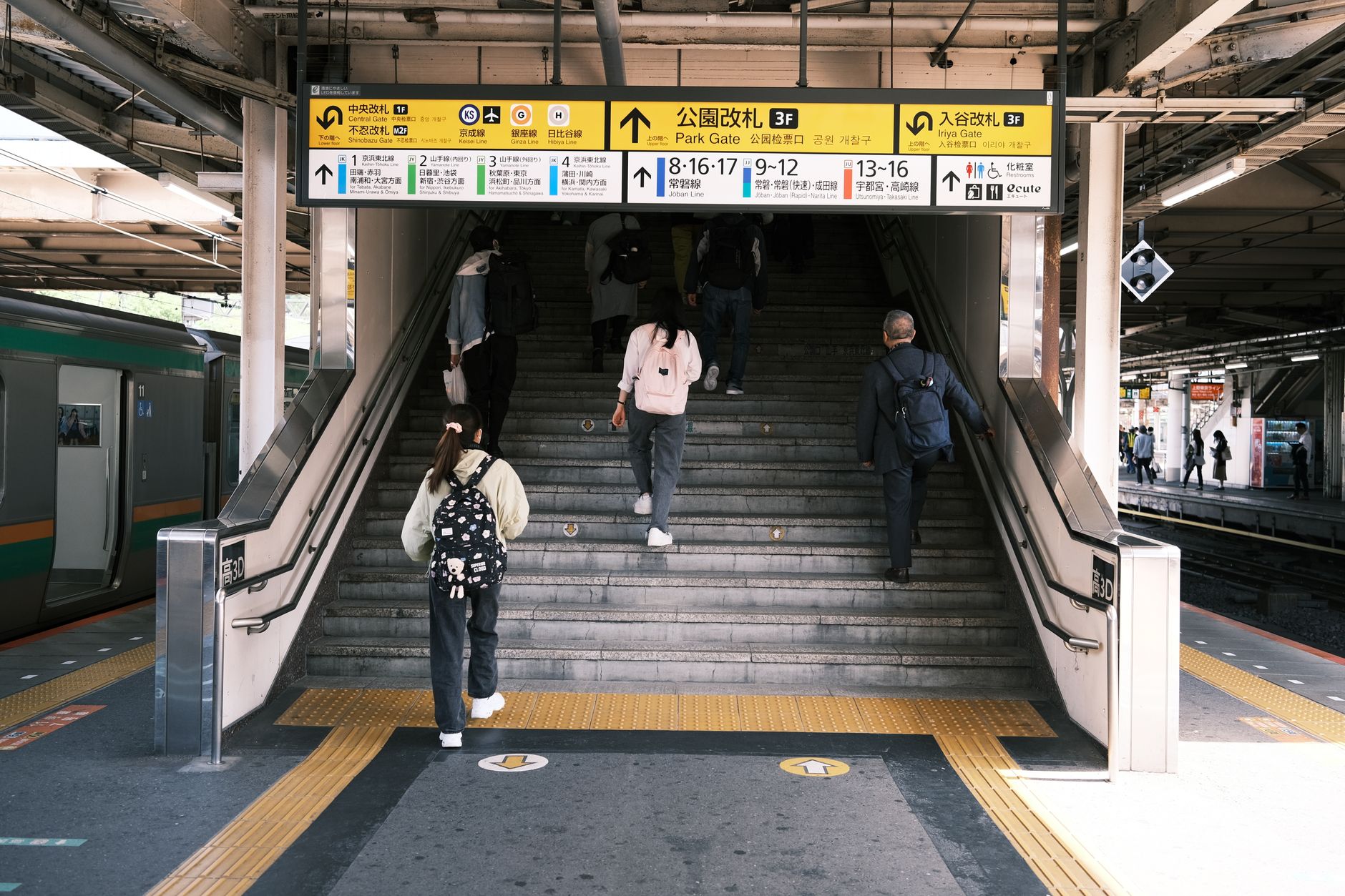
Package Lockers and Delivery Boxes in Apartments and Stations
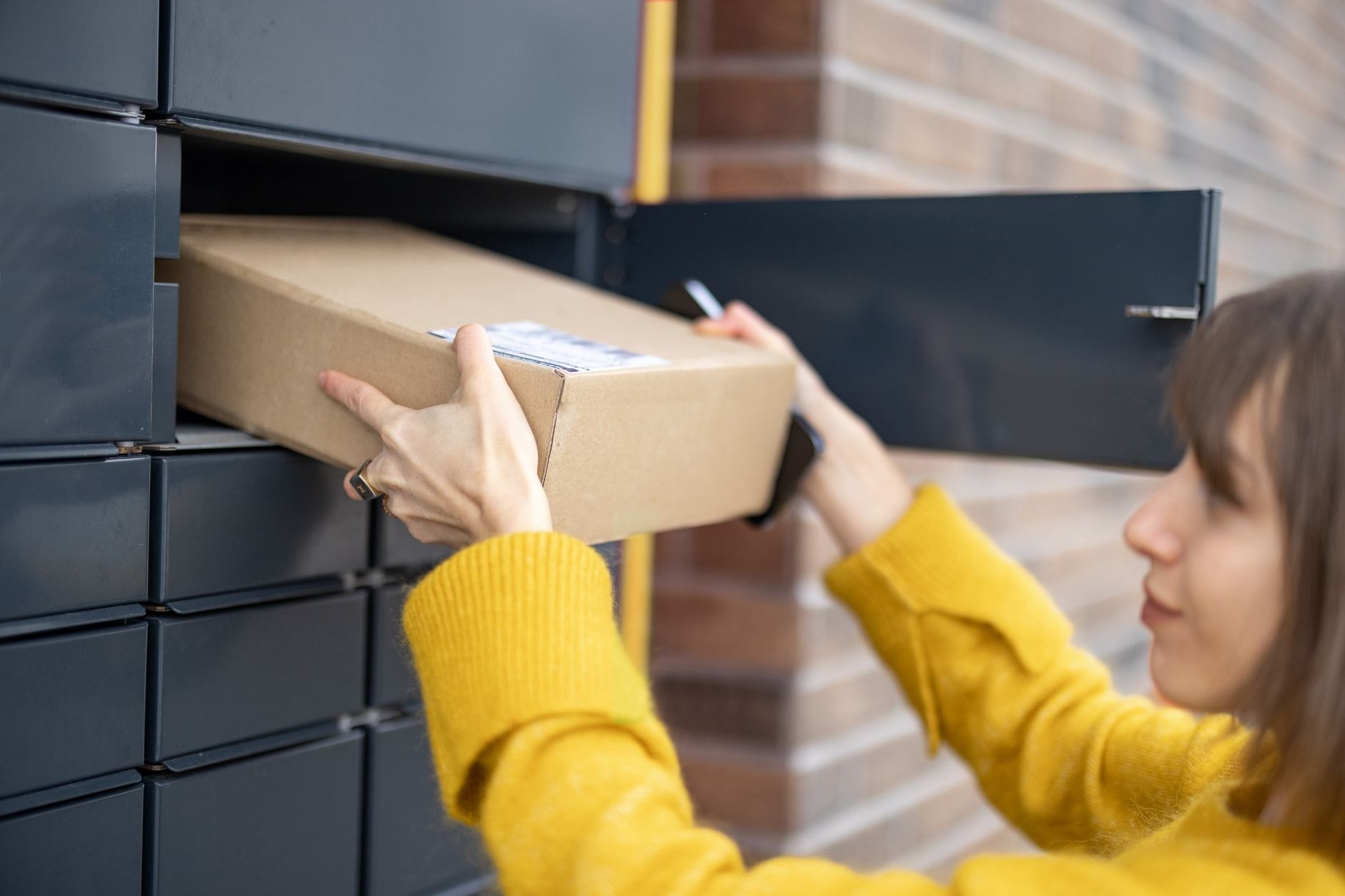
A missed-delivery slip can point to a coded locker downstairs. See how apartment parcel boxes work, what fits, and when redelivery is needed.
Out & About
October 15, 2026
Coin Lockers in Stations, Explained
What happens to a suitcase between trains? Japanese coin lockers charge by calendar day, accept IC cards, and usually hold bags for up to three days.
Out & About
October 15, 2026
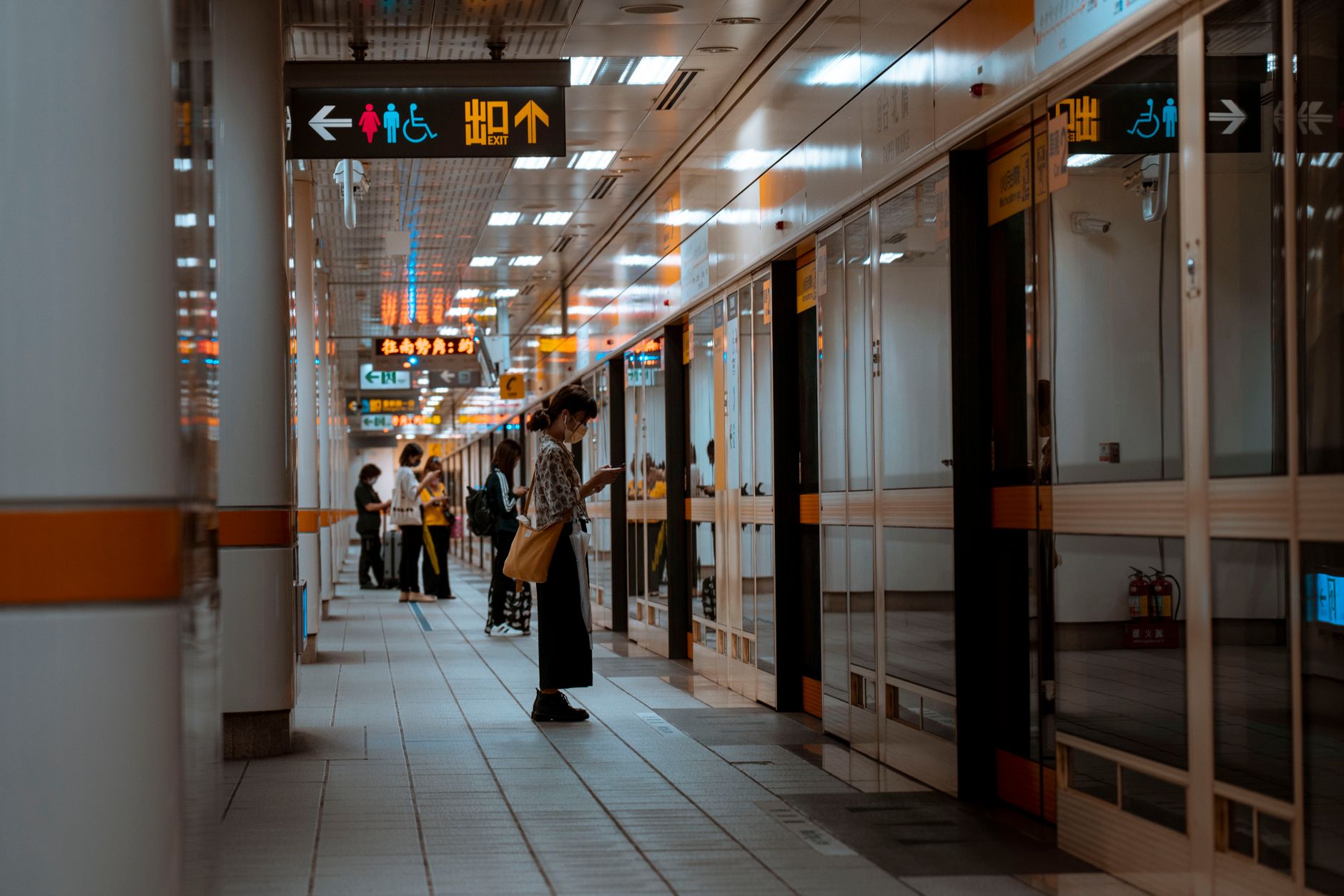
Japanese Public Restrooms: What You Actually Find
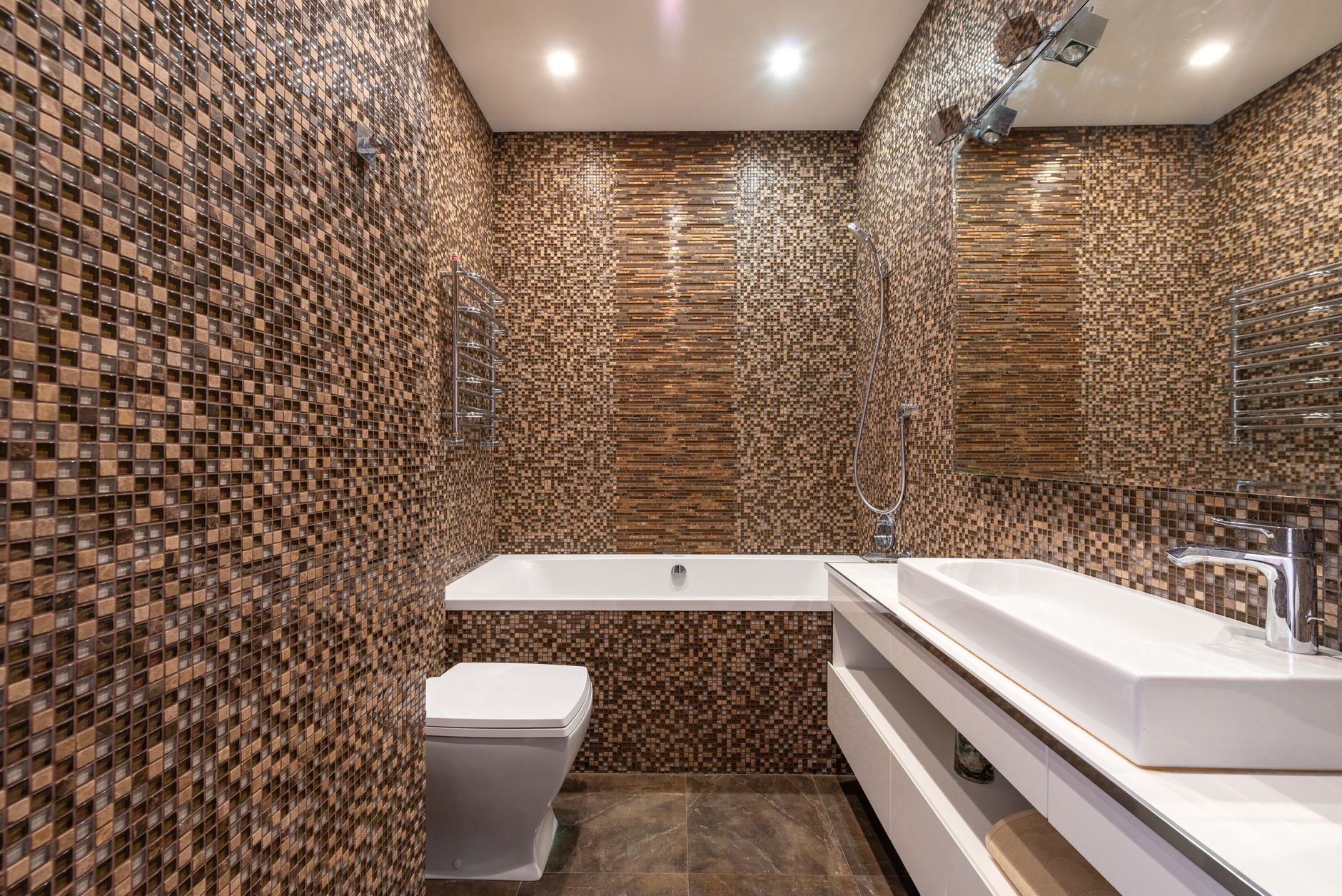
Why does a Japanese public toilet show stall availability outside? This look at Osaka restrooms covers locks, tank-top sinks, towels, and cleaning.
Out & About
October 15, 2026
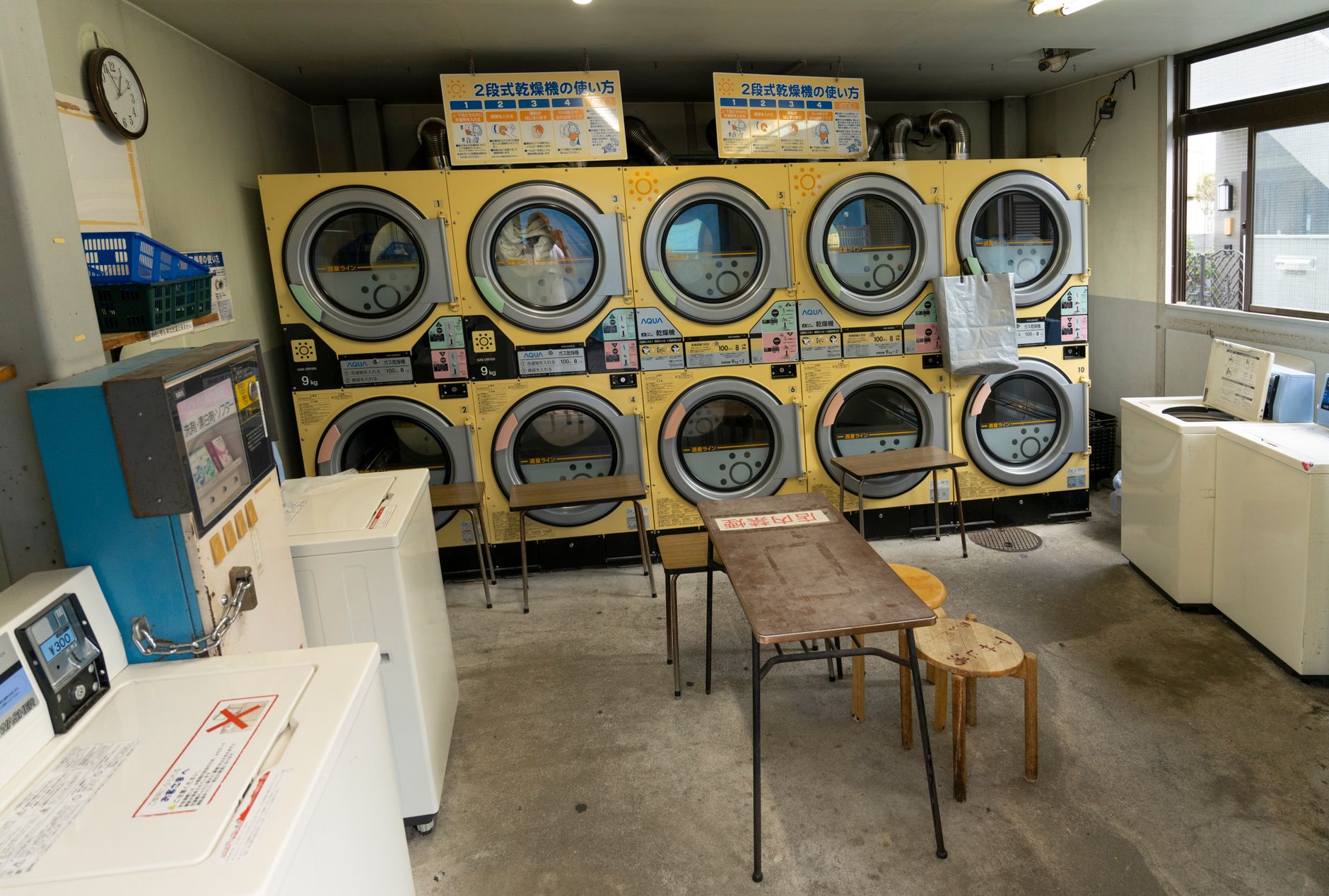
The Coin Laundry: What It Looks Like and Why People Use It
Why use a coin laundry in Japan when you own a washer? Large machines handle futons, duvets, and curtains that home units cannot.
Out & About
October 15, 2026
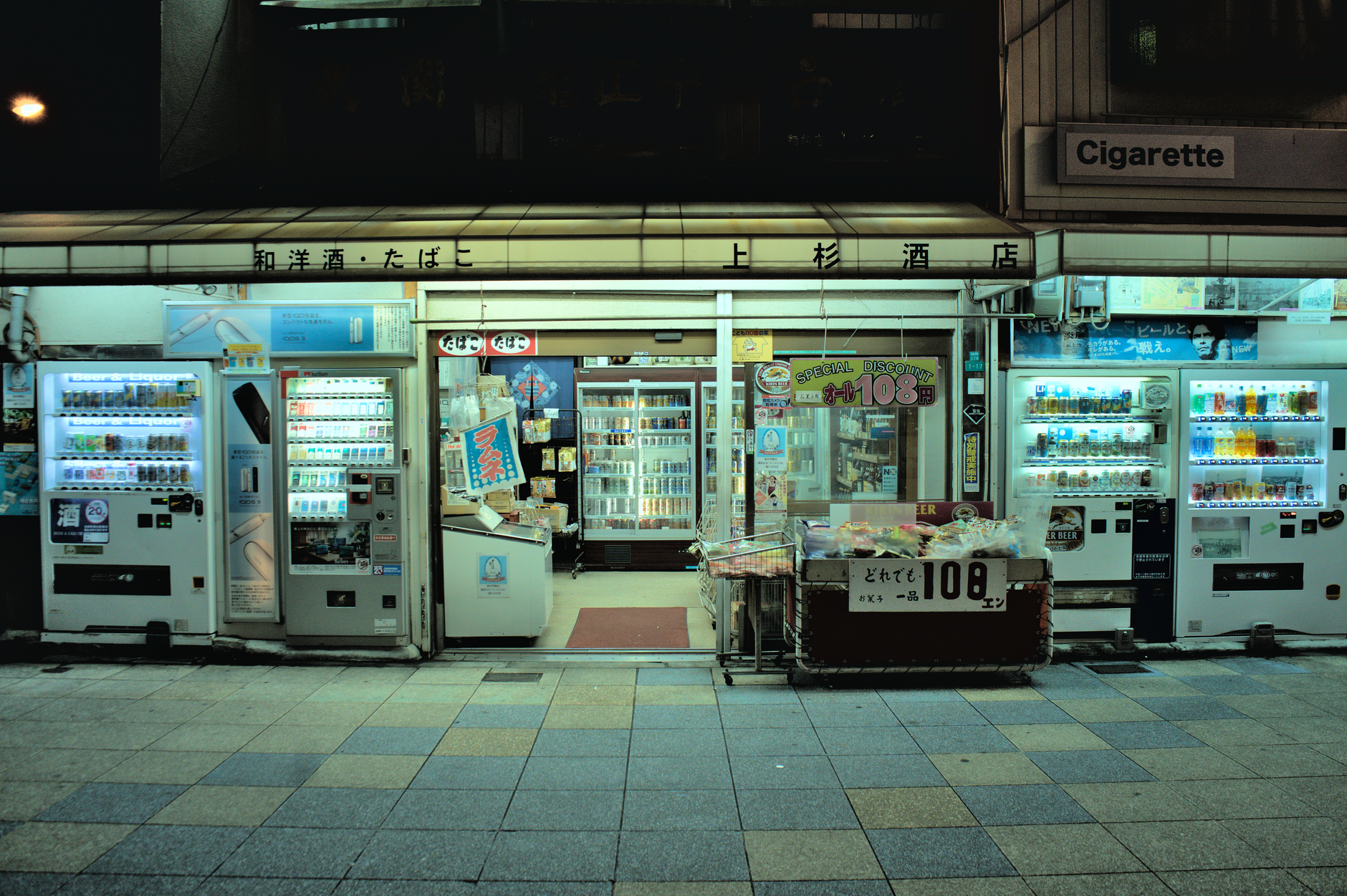
Vending Machines in Japan, Explained
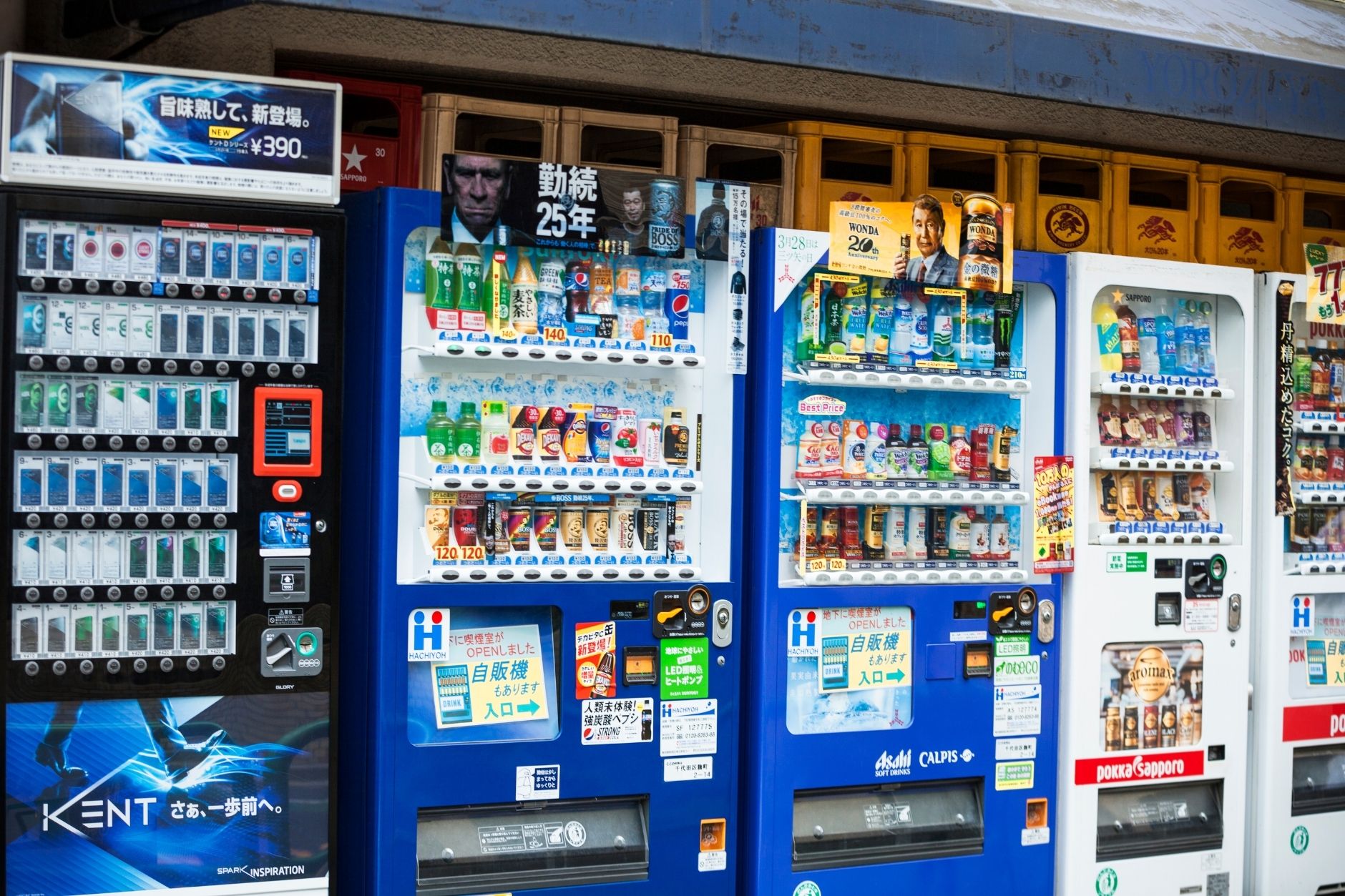
Why are Japanese vending machines everywhere? In Osaka, foot traffic, delivery routes, and hot coffee in winter explain their ordinary convenience.
Living
October 15, 2026
Running a Japanese Home: Garbage, Laundry and Cleaning
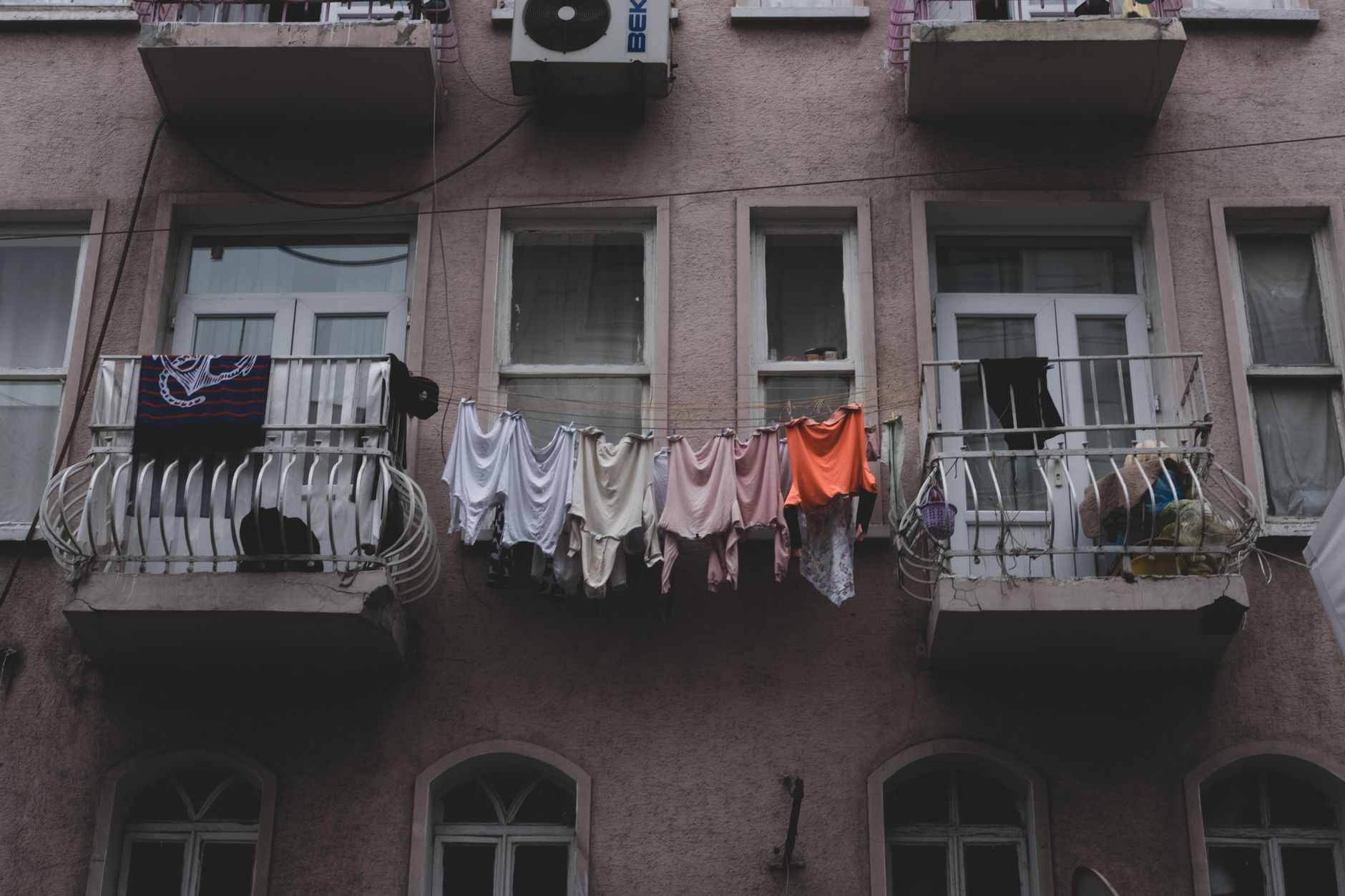
Four trash bags, balcony laundry, and quick daily cleaning—see how an Osaka apartment routine fits chores into a small home.
Previous
Page
1
Page
2
Page
3
Page
4
Page
5
Next
Search
Categories
Living
Food & Drink
Out & About
Customs
Communication
Money & Admin
Work
Tags
The Daily Meal
Newsletter Sign Up
Email
Sign Up