
A Separate System for Big Items
A sofa sits by the door for a week, not because it is heavy, but because it fits no bin. A bicycle with a flat tire has no place on the ordinary pickup. A microwave too tall for the drop point falls outside the daily routine. In Shinjuku Ward, these objects go by one name: sodai gomi.
A seasonal cleaning routine surfaces exactly these leftovers. The bin under the kitchen sink has its own rules, and none of them fit a sofa. The phrase means bulky waste, and it exists because some objects cannot ride the ordinary route.
Some places haul a large item from the curb without much ceremony. The Shinjuku version asks for more. It asks for a booking, a ticket, and a set spot.
What Counts as Sodai Gomi
In Shinjuku Ward, the category is drawn with one measurement. An item qualifies when one side runs roughly over 30 centimeters. That threshold catches furniture, bedding, electrical appliances outside the recycling list, and bicycles. It sits apart from the daily garbage sorting calendar.
The 30-centimeter line is not a perfect test. A large floor cushion may cross it, while a small toaster may not. The ward lists examples but leaves room for judgment. The standard categories are practical rather than exact.
Bedding that has outlived its use is not the same as the laundry that dries on the balcony. It joins the bulky category once it is ready to leave the house. Some large objects, however, are not in the category at all.
In Shinjuku Ward, the four home-appliance recycling items cannot go out as sodai gomi. Those are air conditioners, televisions, refrigerators and freezers, and washing machines or clothes dryers. Personal computers are also excluded. Under the Home Appliance Recycling Act and the Act on Promotion of Effective Utilization of Resources, these require separate recycling.
Booking the Collection
Sodai gomi does not wait for a regular day. In Shinjuku Ward, collection starts with a booking. The household contacts the ward and names the item. The system then assigns a collection day and a placement spot.
This is not the same as the ordinary garbage day. The date is not chosen freely. It is assigned. The spot is set at booking, and the item goes there, not to the usual pickup point.
The assigned date may be days away. Large-item collection does not run every morning. A resident cannot simply leave an item out and expect it to vanish. The item stays inside or in storage until the appointed day.
Once the date is set, the household holds the item until then. The booking is the first half of the process. The second half is the ticket.
The Ticket Is the Fee
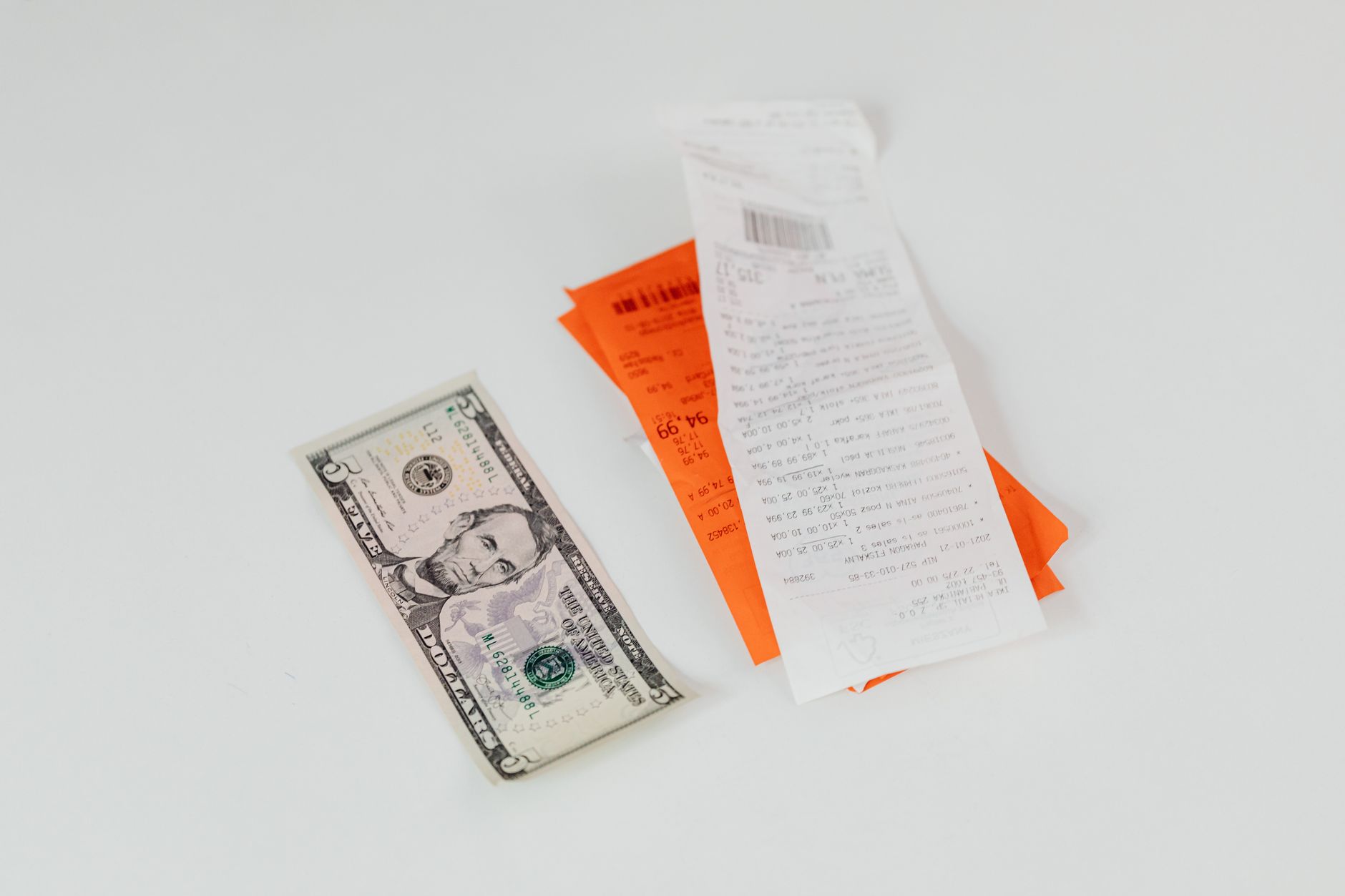
In Shinjuku Ward, the fee is not paid to the driver. It is paid in advance by buying special bulky-waste tickets. Convenience stores sell them, along with other shops that display a handling-office sign. They are also sold at cleaning offices and cleaning centres. Other outlets include special branch offices and the waste-reduction and recycling section on the seventh floor of the ward office.
The fee is not one pre-printed price sticker. It is a sum built from smaller tickets. An A ticket costs 200 yen. A B ticket costs 300 yen. Shinjuku Ward sets five tiers: 400, 900, 1,300, 2,300, and 3,200 yen per item. A household combines A and B tickets to reach the amount.
A 400-yen fee is covered by two A tickets. A 900-yen fee is covered by three B tickets. The tickets are the payment. Without them, the item will not be collected.
These tiers have applied to applications accepted since October 1, 2023. The ward revised its waste fees on that date. Any figure here is tied to that change. Bulky-waste fees move when a city revises its rates.
The Rules Are Local
The fees, the ticket design, and the collection channels belong to the municipality. A figure from Shinjuku Ward says nothing about a neighboring city. This is one of the most local parts of running a home. The appliance exclusions stay more consistent because the recycling laws are national. The sticker, the tiers, and the assigned dates are local decisions.
Putting It Out
When the tickets are bought, a name or reception number goes on them. The collection date is also written. In a multi-unit building, the room number is added. Each item gets its own set of stickers. The tickets are stuck where they can be seen.
On the morning of the collection day, the item goes out to the spot named at booking. For a detached house, that spot is the front door or the gate. For an apartment building, it is the ground-floor exit area. The item does not go to the ordinary drop point.
The collection is not a self-service drop. No truck comes to search the street. The item waits at the assigned spot, with the ticket visible, for the crew on the appointed day.
After the Truck Leaves
Once the crew takes the item, the resident’s part ends. The street is clear. The object has left the household’s responsibility. The truck moves on to the next address, and the curb goes quiet.
The city’s side is less visible. The cleaning offices that sell the tickets are part of the municipal waste operation. What happens after collection is handled inside that system. The exact sorting and disposal steps are not something a resident sees.
Not every large item follows the bulky-waste route. The four appliance types and computers move through separate recycling channels under national law. The collection that takes a sofa is not the same collection that handles a refrigerator.
References
- Shinjuku City — official bulky waste page. Provided the 30-centimeter threshold, ticket purchase locations, collection-day placement rules, excluded appliance categories, and the October 1, 2023 fee revision date.
- PowerSeller (2060.jp) — Shinjuku Ward bulky waste fee column. Provided the five fee tiers and the 200-yen A and 300-yen B ticket values.