
In the entryway of my building, the step is the line. Shoes stop there. On one side, the floor stays clean. On the other, it doesn’t matter. Nobody explained it to me. Nobody had to. That is how most of the Japanese unwritten rules I’ve run into work — I copy them first and understand them later.
What Is Actually Unwritten
The phrase “unwritten rules” is a loose translation of 暗黙のルール (anmoku no rūru), a term for expectations that are understood but rarely stated. Most people I know would not call them rules. They are more like the way a room works once a person has been in it long enough.
Some are etiquette: the small bow, the quiet voice. Some are practical: the shoes, the queue, the missing bins. The dividing line is not always clear, and that is part of what makes them hard to pin down. What they share is a single idea: make less work for everyone in the room.
- The step at the door
- The small bow at a register
- The line on the platform
- The low voice on a train
- The missing tip line
- The shared dish and the loose chopstick
The Doorway and the Floor
In my building, the entrance has a small lower area before the main floor. That is where shoes come off. It is not a conversation. The step is the border between outside and inside, and the habit is one of the easiest to spot. There is a separate article on why Japanese people take their shoes off at the door, but the short version is simple: the floor is where people sit, eat, and sleep.
The same line shows up in other places, but not everywhere. Some restaurants with tatami rooms ask for shoes off. Many shops and offices do not. The rule follows the surface. If a place has a raised floor or tatami, shoes usually stop. If it has hard tile and no seating on the floor, shoes may stay on. Around me, the line is mostly about keeping the inside clean, not about a deep cultural statement.
The Small Bow
Most bows are not ceremonies. A slight nod at the station gate, a small dip at the register, a friend tilting his head when we part. These are so ordinary that I stopped noticing them for long stretches. A separate article looks at what a bow actually conveys, but the everyday version is close to a wave or a nod back home.
The bow can mean hello, thank you, sorry, or I see you. The context does the work. In a busy shop, it is not deference. It is a way of acknowledging someone without forcing eye contact. That makes sense in a crowded place, where eye contact with a stranger can feel like an invitation.
The Queue on the Platform
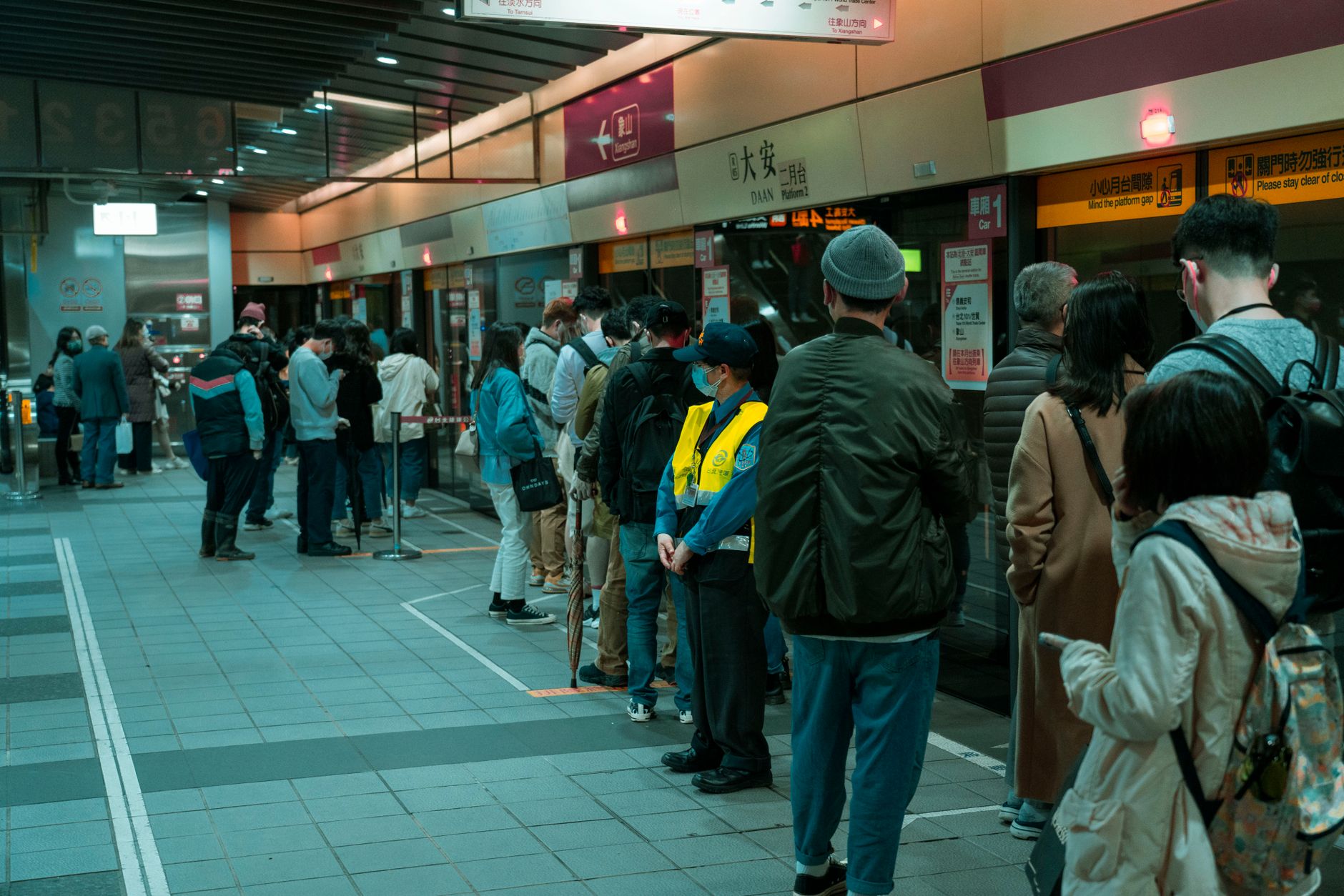
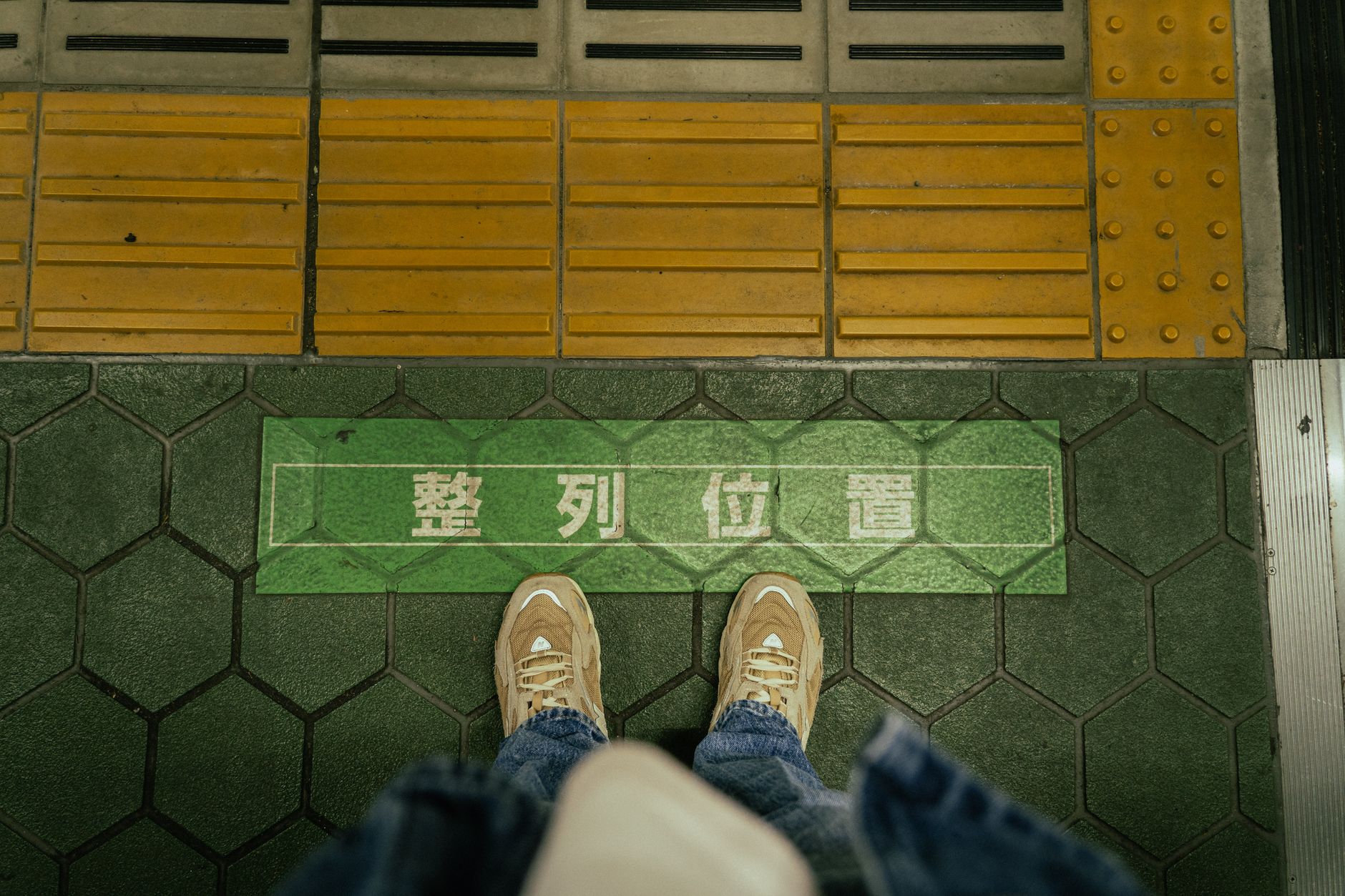
At the station I use, people line up where the train doors will stop. The markings are on the platform, and most people arrange themselves into two short lines. It is not a perfect grid. When the train is late or the platform is crowded, the lines turn into a loose bunch. But the default is a line.
This habit reads as discipline from the outside. I have come to see it differently. A line is a way to make fewer decisions. When everyone knows where to stand, nobody has to push or apologize for the push. On the trains I take, the queue holds because it is the easiest way through the next minute.
There is variation. At some smaller stations, the line is looser. In a busy shopping street, people walk in a rough flow. The queue is not a universal reflex, but it is common in the places where a line makes the next step faster. That may be what holds it together.
Quiet in Shared Spaces
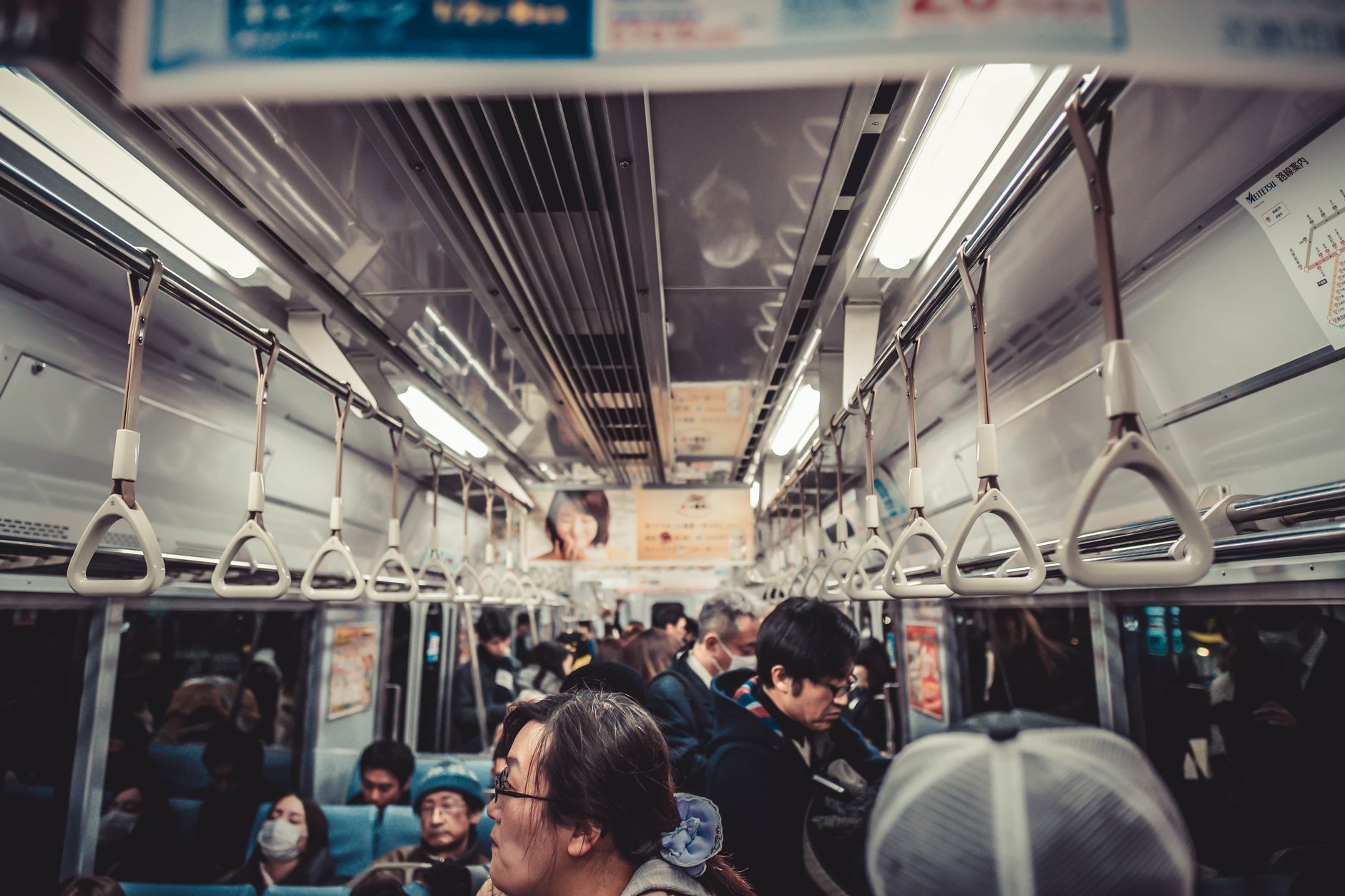
On a morning train, the car is often quiet. People read, scroll, doze. A phone call is rare, and when it happens it stands out. The quiet is not strict silence. It is more like a shared volume, low enough that one person’s voice does not fill the space.
Here’s the part I didn’t expect: the quiet tracks how many people are around, not an idea about the train. In an empty car, people talk. In a packed one, they go quiet. It is less about respect for the vehicle and more about not making a person’s presence someone else’s problem. That explains why the rule bends.
The Shared Table
At a shared table, some things are simply not done. A person does not pass food from chopsticks to chopsticks. That gesture belongs to a different context. Chopsticks are not left standing in rice. These are not signs on the wall. They are things a person learns by watching a table once or twice.
The rules around chopsticks are not about being delicate. They are about the table as a shared surface. Loose gestures can drip, drop, or point at someone. Most of the habits are practical: rest the chopsticks on the rest, keep them out of the shared dish unless serving. Where I have eaten, the mood stays light, and no one recites the rules.
Eating, Walking, and the Missing Bins
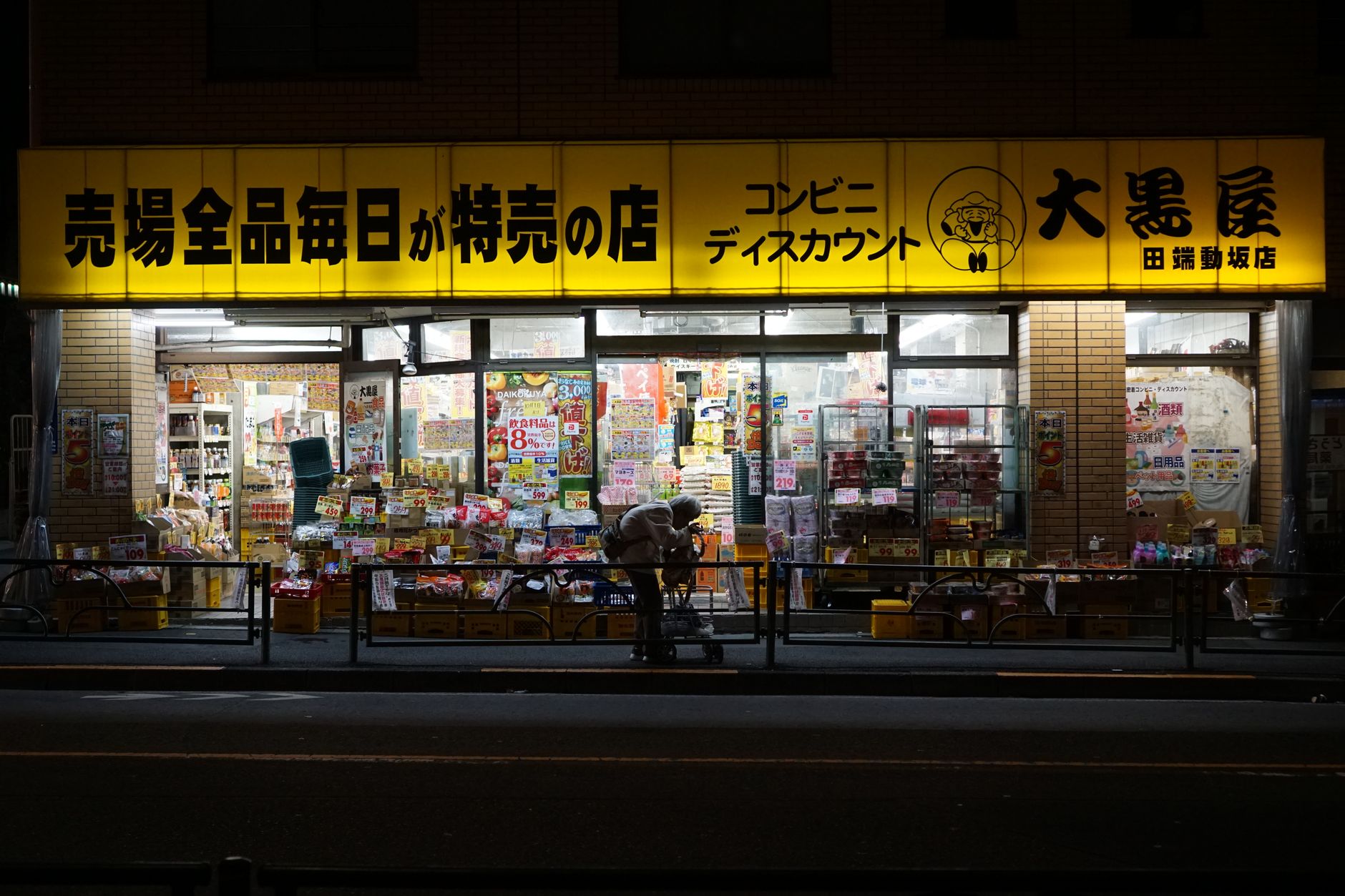
Eating while walking is uncommon in the parts of Osaka I know. It is not forbidden by a sign. A person can do it and nothing will happen. It simply does not happen often. The practical reason seems to be about mess: food spills, crumbs scatter, and a wrapper has to go somewhere.
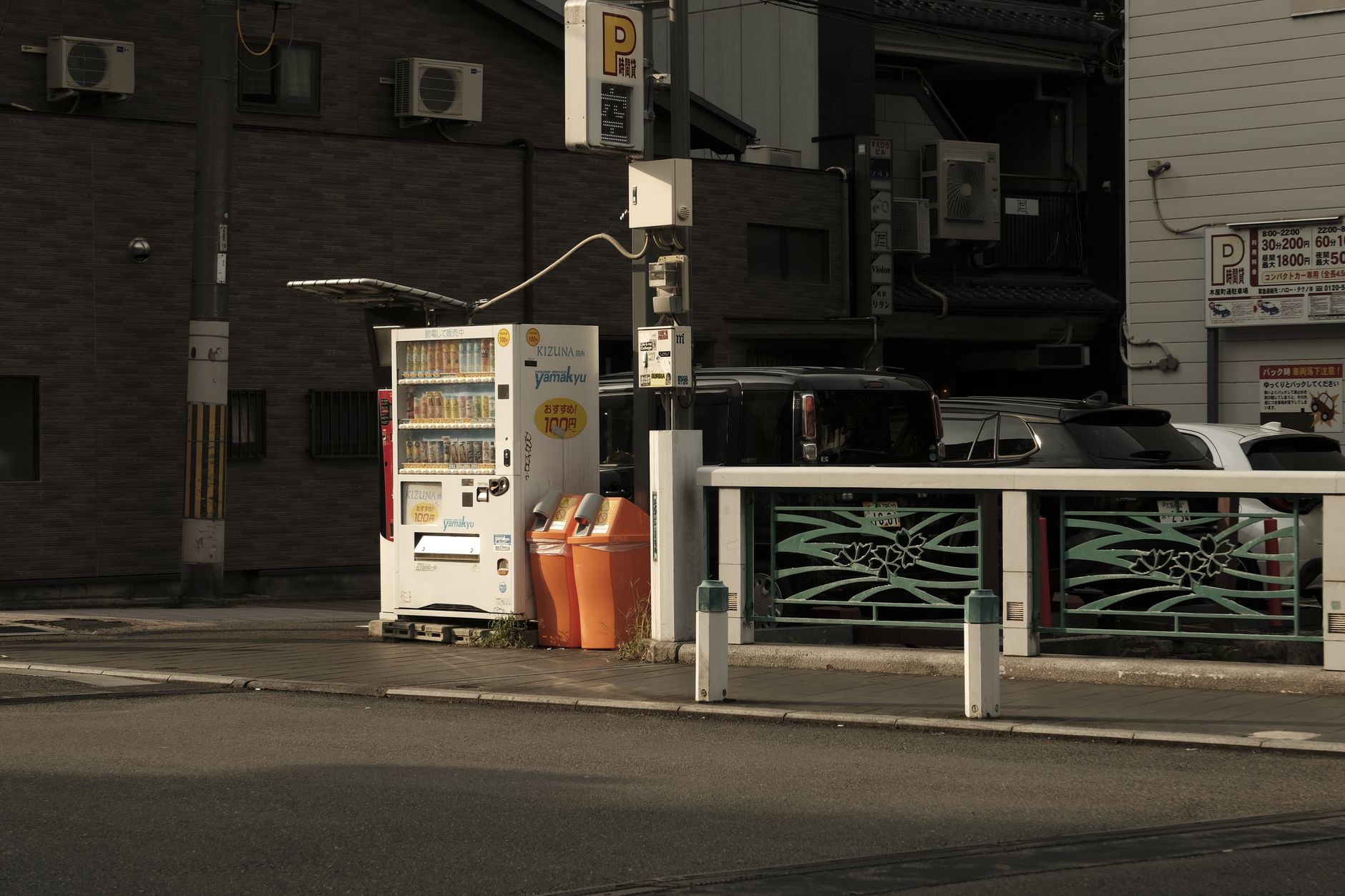
That wrapper is the other half. Bins are scarce in the stations I use, and some parks have almost none. I have learned to carry a wrapper until I get home. There are explanations for why public bins disappeared, but I have never found one that settles it. What matters day to day is the habit: a person holds the wrapper, and the street stays cleaner.
Around my neighborhood, the few bins that exist are often next to a vending machine. They are not for a whole meal. The message is less a rule and more a fact: the street is not a dining room. A person eats at a bench, by the konbini, or at home.
The Counter Where Nothing Is Added
In the restaurants and taxis I use, a tip is not expected. There is no line on the receipt, and I have never seen a tip jar by the register. Coming from the US, where I grew up, this took some readjusting. There, a tip is part of the transaction. Here it is not.
That does not mean service is an afterthought. Staff are paid for their work, and the price on the menu includes it. The absent tip is not a rule a person follows. It is the absence of one. A visitor who leaves a tip will not offend anyone, but it can create a small awkward pause while the other person works out what to do with it.
The Shared Bath
If the shoes-off line is about outside and inside, a sento has its own version. There is a washing area before the bath, and the routine is clear: wash first, then get in. Soap stays out of the shared water. A small towel stays out too. I have a fuller piece on what a sento is like, but the unwritten part is the order of operations.
The habits around a public bath are not about modesty or hierarchy. They are about keeping the water clean for the next person. A shared bath works only if the rules stay unspoken, because saying them every time would take the ease out of the room. The same pattern shows up in the queue and the quiet train: the rule exists so the shared thing keeps working.
Where the Rules Come From
The temptation is to give these habits an ancient source. I have never found one that holds up. Most of them seem more recent and more practical than they look. Crowded trains, small apartments, shared baths: the rules follow the spaces. If a floor is where people sit, shoes come off. If a train car has forty people in it, voices drop.
Some of these expectations are probably younger than the tourist image suggests. I won’t pretend to know when each one started. The pattern across them is the same, though: make less work for the people nearby. That is close to a definition, but it is not a law. It is a running calculation about the space and the number of people in it.
There is a version of this story that frames these habits as ancient and unchanging. I have not found that useful. What I see in Osaka is a set of expectations that change with the room. A tatami floor keeps one set. A train platform keeps another. A public bath keeps a third. They share a pulse, not a rulebook.
Even the bow is not one fixed thing. It shrinks to a nod on a crowded platform and grows in a formal introduction. The same gesture changes shape with the number of people around and the weight of the moment.
The Rule Is the Boundary
The unwritten rules in the places I go are not mysterious. They are mostly boundaries: the step at the door, the edge of the bath, the line on the platform, the absence of a tip line. Each one says the same thing without saying it. Keep the space workable for the people already in it.
A public bath like a sento makes the boundary visible: the washing comes before the water. After a while, the rules stop feeling like rules. They feel like the room. A person notices the step, the queue, the quiet, and does the same thing without thinking. The unwritten part is not a secret. It is just the ordinary shape of a shared space.