
The Slip on Your Door
The slip is tucked into the edge of your apartment door when you get home. It looks like a missed-delivery notice. Near the bottom is the part that matters: a locker number, and a code that opens a Japanese delivery locker. Your parcel is in there.
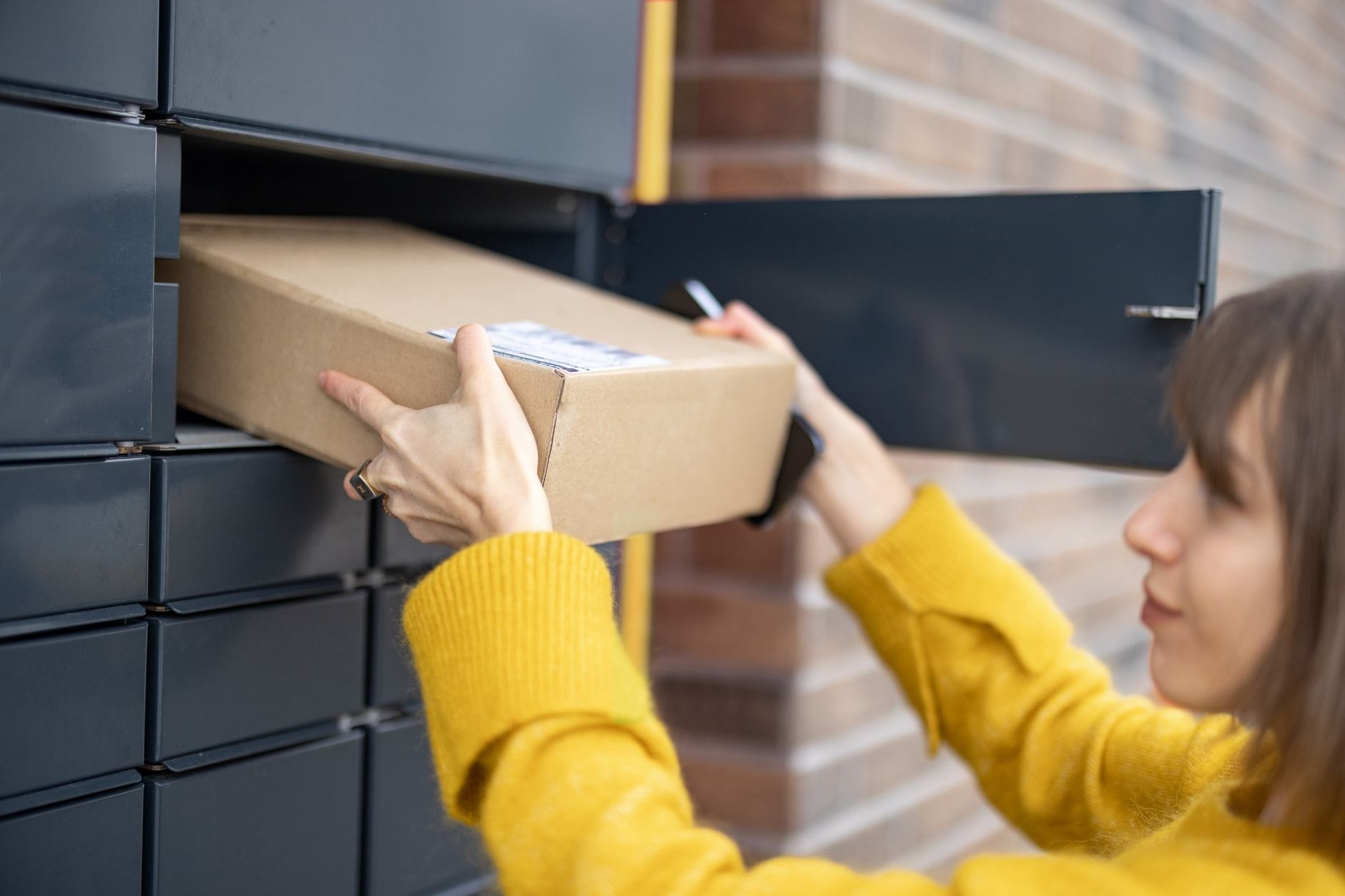
You were out. So was almost everyone else in the building, most likely. The parcel did not go back on the van to be tried again tomorrow. It is waiting in a metal box downstairs.
This is a package locker. In the buildings I have lived in around Osaka, it sits near the entrance with the mail slots. Nobody looks at it twice.
What a Package Locker Actually Is
The Japanese term you see on signs is takuhai box (宅配ボックス). It means a delivery box, and people use it for parcels, not for bags.
A station coin locker is a different thing. Those hold bags and suitcases while you walk around. A package locker is a short-term holding spot for something already delivered to you.
The box itself is a set of metal doors, usually in two or three sizes. There is a small keypad and a screen. Some are built into a wall by the entrance. Others stand as a block in the lobby.
The part people don’t expect is that the box is not for outgoing mail. The ones I have used only receive. The carrier puts things in. You take them out.
Where the Boxes Sit
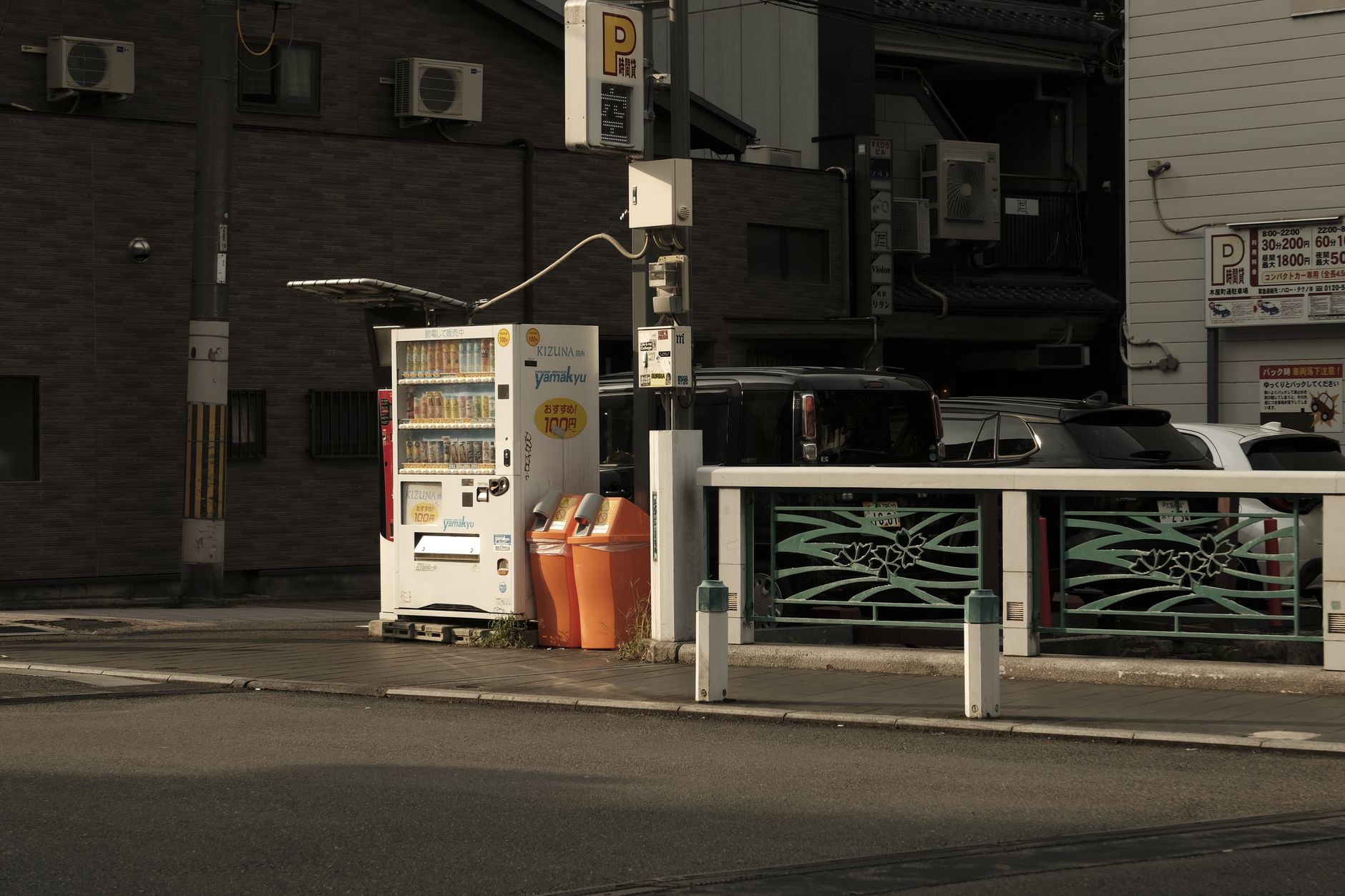
In the apartment buildings I know, the lockers sit near the entrance. They are often next to the mailboxes or the vending machines. If the building has a lobby, the lockers are there. If it does not, they sit just inside the locked front door.
Some stations have their own bank of parcel lockers. Those are separate from the coin lockers. I have seen them near the gates, and you do not need a ticket to reach them.
How You Collect What Is Waiting
The slip is the whole key. It gives you a locker number, a code, and a pickup window. The slips I have gotten usually give a few days.
You walk over and type the code on the keypad. One door clicks open. You take the parcel, close the door, and the box is free for the next person. I have never had to show ID. The code is the proof that you live at the address on the slip.
The screen lights up when you press any button. The number pad is small, but the digits are clear. There is no app involved. The slip is all you need.
The first time I got one of these slips, I assumed I had to go to the post office. I did not notice the locker number at the bottom. The parcel had been downstairs the whole time.
The whole thing takes under a minute. The only time it goes wrong is when you lose the slip or type the code one digit off. Then you call the carrier and they reissue it. That takes longer than the first attempt.
What Fits and What Doesn’t
A package locker is not a storage room. The doors come in a few sizes. The largest ones I have used are big enough for a shoebox, a few books, or a small kitchen appliance. A case of bottled water is right at the edge.
- Fits: books, small boxes, shoes, some appliances, document envelopes.
- Usually does not fit: bottled water cases, diaper boxes, rolled futons.
- Very large parcels go back on the van.
If a parcel does not fit, the delivery person usually leaves a slip and takes it back. Then you arrange a redelivery. In many buildings, you can also have it sent to a nearby convenience store for pickup.
Redelivery is not hard. You call or use an online form. You pick a time slot, and someone tries again. The locker is the first try when you are not home. The slip is the fallback.
What the Box Does Not Do
The box does not sign for anything. If a delivery needs a signature or age check, the driver cannot leave it in a locker. You will get a slip and have to be home.
It also does not keep food cold. A parcel that needs refrigeration will not be left in a metal box in the entryway. I have never seen a chilled locker in an apartment building.
And it is not a mailbox. You cannot put letters in it. You cannot send anything from it. It is a one-way holding room for things coming to you.
Why They Are There at All
The practical reason is visible on a weekday afternoon. Delivery vans come while almost everyone is at work or school. In the buildings I have lived in, there is no front desk. There is no doorman to take a parcel for you.
A locker lets the parcel wait without another person needing to be awake or at home. The van pulls up. The driver puts the parcel in a box, enters the code, and leaves a slip at your door. That is the entire handoff.
Why my current building has lockers and an older one I lived in did not, I cannot tell you. I never asked when I moved in. The boxes were simply part of the entrance, like the mail slots.
What I can say is that they fit the rhythm of the place. Vans come in the daytime. People come home in the evening. The box sits in between.
A Different Default Than the One I Grew Up With
Where I grew up, a missed package often sat on the front step or went back to the post office. In the buildings I have lived in here, leaving a parcel outside the door is not the usual method. The box is the default when you are not home.
The difference is not about one country being more efficient. It is about what a building assumes about the people in it. If nobody is home during the day, the building gives the parcel a place to wait. It does not make you chase it.
The first time I saw a locker in an apartment entrance, I thought of the package lockers at drugstores back home. Those are similar. But they sit in a public place and send a code to your phone. Here, the locker is part of the building, and the code comes on paper.
One thing I did not expect is how much this connects to the convenience store habit. The same assumption shows up there. You can pick up a parcel at a shop open long hours. The shop is already doing half the jobs a neighborhood needs.