
A Week of Small Machines
Monday night, I buy eggs and a can of hot coffee at the same counter. The supermarket is a few minutes from closing. Nobody looks up. Buying both in one trip is one of the everyday conveniences in Japan I stopped questioning a while ago. The clerk puts the eggs in one bag. The coffee goes in another.
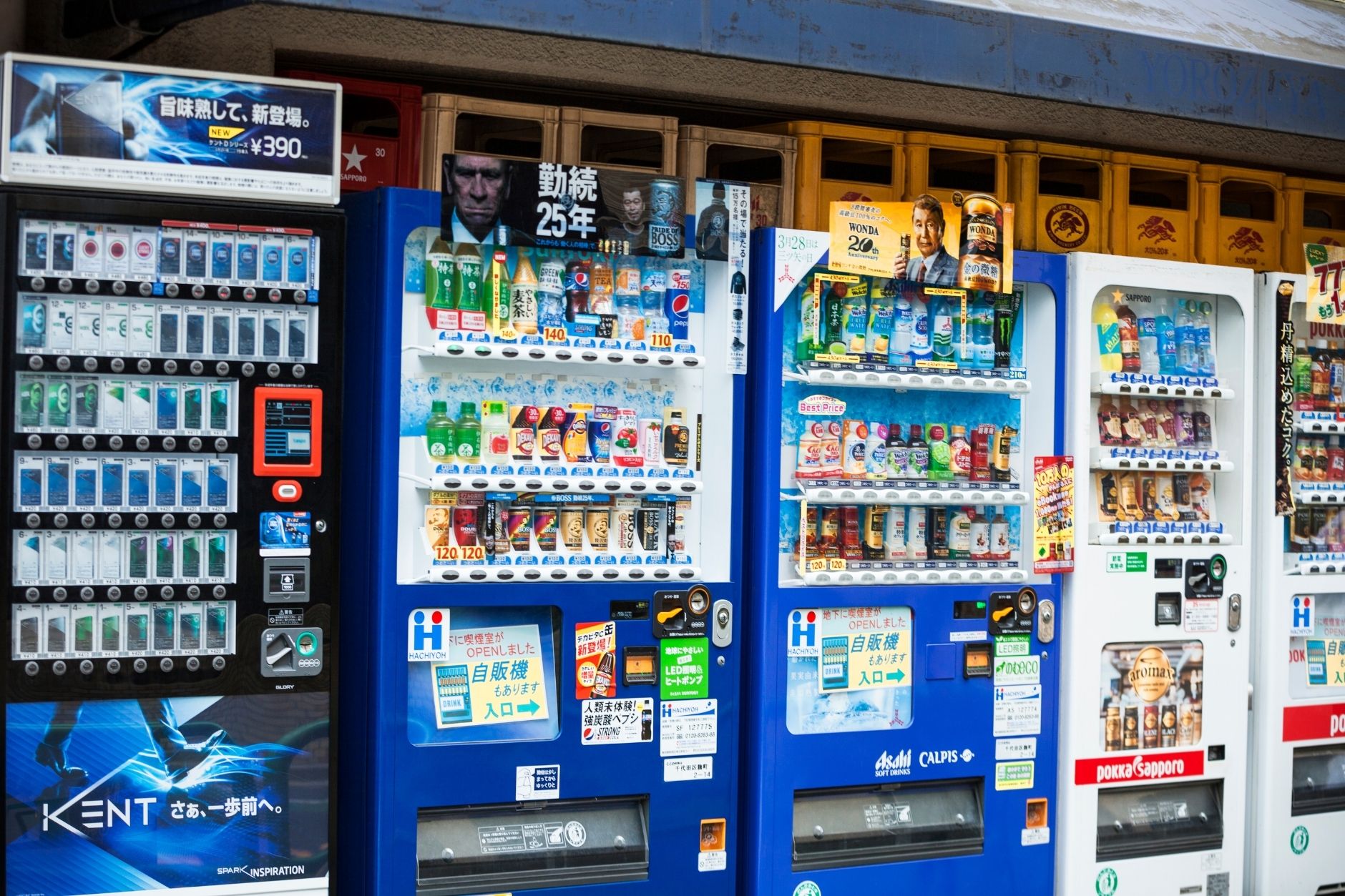
I walk past three vending machines on the way back. Two sell drinks. One sells ice cream, even though the evening is cold. The machines hum in the dark. Nobody else is out. On the block by my building, this is the only thing still lit.
Wednesday, I carry a bag of towels to the coin laundry by the station. The machines take coins and a prepaid card. I start the wash and leave. Forty minutes later the dryers are warm. I pull the towels out. No one stayed with the load.
Friday, a courier leaves a package in a locker near the ticket gates. I scan a code after eleven at night. A small door opens. The package is there. I did not speak to anyone during the whole pickup.
These are not special outings. They are the filler between the parts of a week that matter. Each piece is small. Together they cover the gaps my apartment cannot. What connects them is that none requires planning. I leave the house without a bag, without cash, and without much thought. A machine or a store catches whatever I forgot.
What’s Actually There
The first thing I noticed was the ordinariness. A convenience store on a corner. A row of vending machines outside an apartment block. A coin laundry in the space beside a station. A public restroom in a park that actually has soap. A wall of metal lockers with no one standing near it.
Some of this matched what I expected. The vending machines did not surprise me. The coin laundry did. The public restroom surprised me most. In many places it is a normal, maintained room rather than an afterthought.
This is a hub article, so the pattern matters more than any single piece. I will describe what each thing does and how they work together. If one of them is the main worry, the links at the end point the way.
Around my part of Osaka, these pieces are close enough to reach without planning. That is the first useful fact. They are not tourist stops. They are working parts of a normal week.
- Konbini — a shop that handles many small errands.
- Vending machine — a single drink or snack without a store.
- Coin laundry — a row of machines for the wash a balcony cannot dry.
- Public restroom — a maintained room on the way somewhere.
- Delivery box and station locker — a place for things to wait.
The Konbini Run
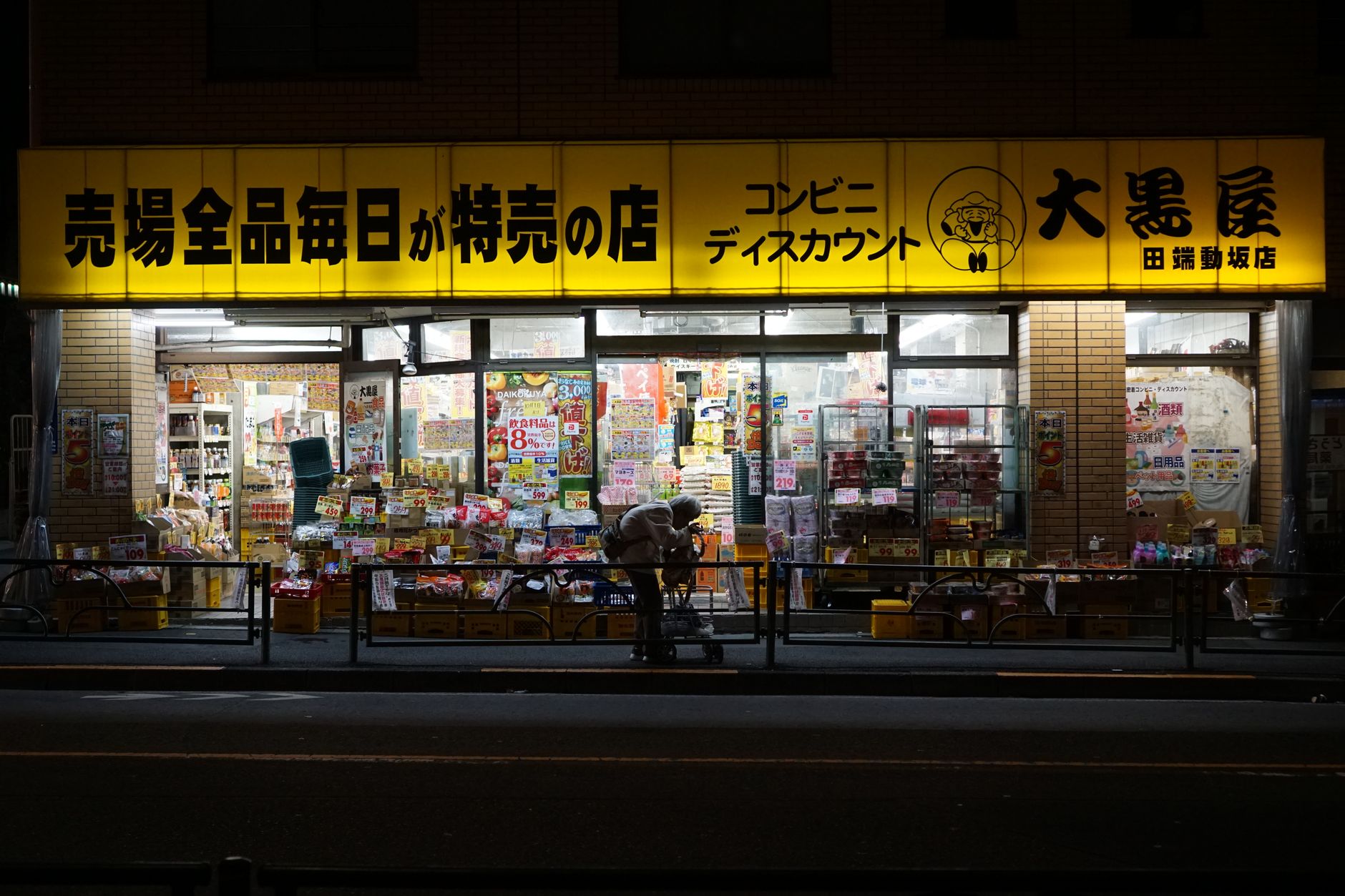
The convenience store is called a konbini. It is the closest thing I have to a small hardware store, a post office, a bank branch, and a late-night kitchen. The same shop sells a rice ball and a phone charger.
A machine by the door takes bill payments. The counter holds packages for pickup. A printer handles documents and a stamp. The staff warm a pastry at the register.
Its real job is being open when nothing else is. Where I live, the nearest one stays open late. It is not always all night. When the apartment lacks something small, the konbini is the default fix.
Some errands feel too small for a supermarket. A single roll of tape. A phone charger. A hot snack at an odd hour. The konbini is built for that scale.
A Drink From the Machine
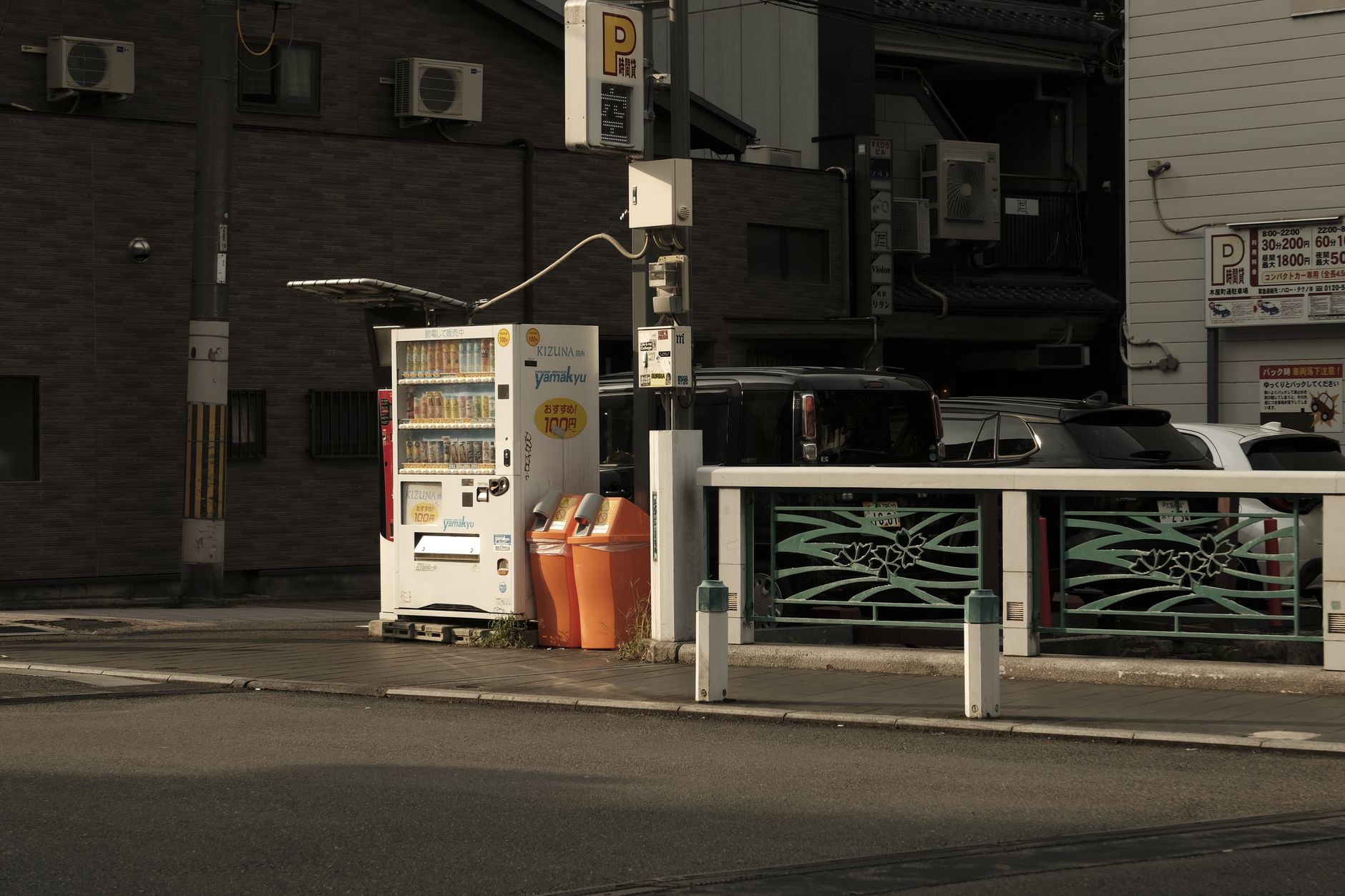
Vending machines here are common enough that I stop noticing them, then notice them again. One sits outside my building. Another stands at the train platform. They sell cold drinks in summer and warm drinks in winter. The hot coffee comes in a can, and the machine keeps it hot. That part still seems strange to me.
A vending machine is not a novelty. It is fallback infrastructure. When the store is closed and the walk is longer than I want, the machine is there. It takes coins, bills, and cards. No queue, no conversation.
The machine is not there to be impressive. It is there to shorten a trip. When a train platform has one, the wait for the next train becomes easier. The drink is warm, and the machine takes whatever payment is in a pocket.
The Coin Laundry
Many apartments here do not have a dryer. A washing machine on the balcony is common, but a dryer is not. When the load is too large for the balcony, or when rainy season makes the air damp, I use the coin laundry near the station.
Where I grew up in the Midwest, a laundromat felt like a place a person drove to and sat in. The one near me here is a five-minute walk and a row of machines. It has a change machine and a vending machine for single-use detergent. The routine is simple: bring the laundry, put money in, start the wash, come back.
Some people here use the coin laundry weekly. Others use it only for bedding and heavy coats. I fall somewhere in between. The dryer is the part I need, not the wash.
The Public Restroom
Public restrooms in stations, parks, and department stores are a normal part of getting around. Some are old and cramped. Many are not. The one at my station has a row of stalls, a sink with soap, and a hot air dryer. It is cleaned often enough that I use it without thinking.
What makes these restrooms notable is that they exist at all. In a lot of places, a public restroom is rare or unpleasant. Here it is treated as part of the day. It is not luxury. It is just expected.
The restroom near a station also matters on a long walk. A person can start a trip without wondering where the next one will be. That sounds small, but it changes how far I am willing to go.
The Parcel and the Locker
Delivery here is built for people who are out. When a package arrives and I am not home, the courier can leave it in a delivery box at my building. If no box is free, the courier leaves a slip. The slip leads to a locker or a redelivery time.
A station coin locker can hold a bag while I run an errand. It is a metal box with a key or a code. Some take cards. Some are large enough for a suitcase. The delivery locker is a different thing, but the principle is the same: the box does the waiting, not the person.
The package lockers at the station work well. A person scans a code, a door opens, and the parcel comes out. That part still catches me off guard. There is no one to coordinate with, because there is no person at the other end.
After the first few times, the code on a phone is enough. The locker does not care what time it is. That is the part I had to see twice to believe.
When One Piece Is Missing
These conveniences only matter when a person notices them. Most days I do not. The test comes when one piece is out of reach. A vending machine sold out late at night. A coin laundry closed for maintenance. A station locker full. Then the small gap becomes a problem.
The system is not perfect. Some machines take only certain cards. Some restrooms close for cleaning. A package can end up at a locker one station away. These are not failures of the whole. They are the ordinary edges of a system built from independent parts.
The pattern still holds. When one piece is missing, another usually sits a short walk away. That backup is itself part of the design, even if no one planned it that way.
How the Pieces Fit Together
Each piece solves one small problem. The konbini fills the immediate gap. The vending machine covers a single drink or snack. The coin laundry handles the bulky wash. The public restroom makes a long trip possible. The lockers cover what does not fit in a hand or a schedule.
Together they lower the cost of being out. A person does not have to carry everything. A person does not have to be home to receive a parcel. A person does not need to find a supermarket for a can of coffee. The city is arranged so the small needs do not force a big detour.
That repetition is the pattern. The pieces are not linked by one company or one plan, at least not that I can see. They simply repeat often enough that being out is easier than being prepared. I used to think of them as novelties. Now I treat them the way I treat a light switch.
Some of this is about density. My part of Osaka has enough people in a small area to support a konbini on one corner and another a short walk away. But density does not explain everything. It may simply be that the need came first and the pieces followed.
Where the Reasons Stay Unclear
People sometimes ask why these conveniences are so common, as if one cause explains all of them. I cannot give one. Several explanations get passed around, and I have never found one that fully settles it. The density of my part of Osaka and the small size of many apartments here probably matter, but that is my guess, not a sourced claim.
The modern versions came in steps over time. I do not want to invent an economic shift or a policy date to make the story neater. The honest answer is that the origin is not entirely clear to me. What is clear is how the pieces work now.
I have no simple story for how this came together. What I can say is that the pieces fit my life now in a routine way. The details become background. That is what a good convenience system does. The pattern matters more than the origin.